
Patent CN206792231U
Updated October 27, 2026Vegetable and Fruit Juicer with Ceramic Auger, Secondary Pulp Pressing and Built-In Stirrer
Standard juicers often leave wet pulp behind, wasting produce, and require pouring the juice into a separate pitcher to mix it before drinking. This design addresses both issues within a single machine. The core extraction relies on a ceramic agitating screw inside the squeezing cylinder, which cuts and crushes fruits and vegetables as it turns. To recover more liquid, the pulp discharge interface is fitted with three annular convex ribs. As the screw pushes the dregs toward the slag notch, these ribs compress the pulp again, forcing out additional juice that would otherwise be thrown away. A filter screen sits at the juice opening so only clear liquid flows into the receiving cup below. Once the juice is collected, a built-in agitating device—made up of a stirring shaft and vanes—sits inside the cup. Driven by its own motor through a rotation connection block on the body, it mixes the juice without needing a separate blender or spoon. The feed pipe at the top of the cylinder is shaped like an inverted trapezoid, narrow at the opening and wider below, guiding produce downward smoothly.
- China utility model - lapsed
- No filings outside China
- Kitchen appliances
- Ceramic auger, DC motors, threaded pulp interface
Splat! What let you down?
🏺
Ceramic agitating screw
The crushing auger inside the squeezing cylinder is made of ceramic material rather than metal.
🔄
Secondary pulp pressing
Three annular convex ribs inside the pulp discharge interface squeeze the dregs again to extract more juice.
🥄
Built-in juice stirrer
An agitating device with a shaft and vanes sits in the juice receiving cup, driven by a dedicated motor.
🔽
Trapezoidal feed pipe
The top feed opening is narrower than the section below it, guiding produce down smoothly.
Bring this product to market
- ✓ Patent vetted China-only family and legal status checked
- 2 Product brief · now How it works, uses and options written up
- 3 Prototype First samples for buyers to review
- 4 Pilot run Small first batch for launch customers
- 5 Volume production Repeat orders at scale
Buyer interest
– of 100 buyers needed to start prototyping
One click, no sign-up. Each vote is one real visitor, and products with the most interest go to prototyping first.
Build team: no members yet. Need a partner, co-funding or skills to build this? Join and we introduce the team once it forms.
The problem
When extracting juice from fruits and vegetables, standard machines often push wet pulp out of the discharge chute after a single pass. The leftover moisture in the dregs represents wasted produce and lowers the overall juice yield. Buyers who process large volumes of ingredients notice this loss quickly, as the dry weight of the discarded pulp remains higher than necessary.
Another common issue is separation. Freshly pressed juice tends to settle, with heavier particles sinking to the bottom of the pitcher while the lighter liquid stays on top. Users must manually stir the juice or pour it into a separate blender to mix it evenly before serving. This adds steps, requires extra equipment to wash, and slows down service in commercial or busy household settings.
Finally, feeding whole or large pieces of produce into a juicer can be awkward. Straight cylindrical chutes sometimes cause items to jam near the top, requiring users to push them down with a plunger. Open, wide chutes also present a safety concern if small hands can reach too far into the feeding area during operation.
The solution
This juicer design combines a ceramic crushing mechanism, a secondary pressing stage, and an integrated mixing function into one unit.
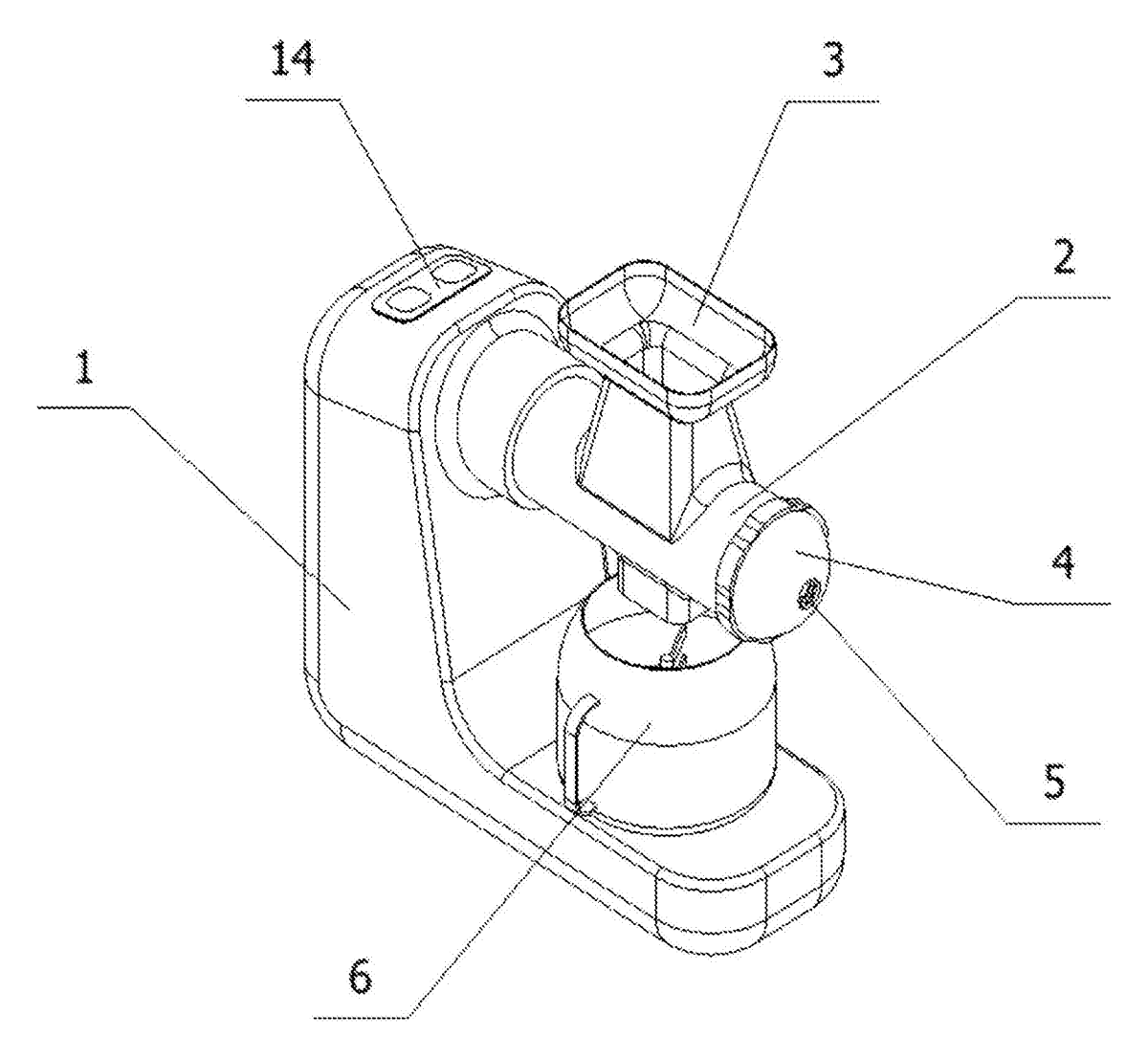
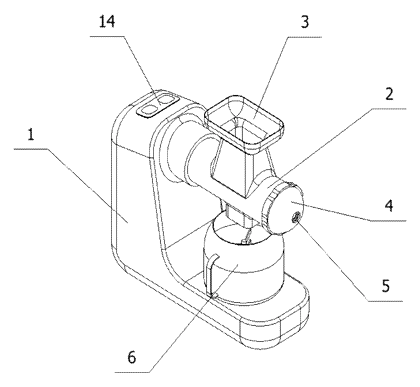
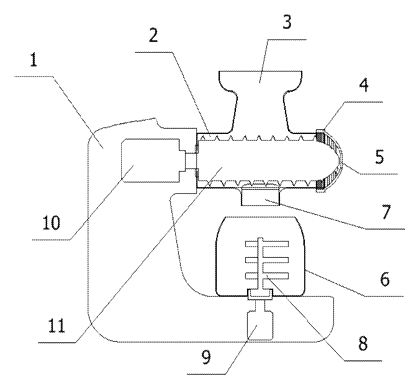
- Produce is dropped into a charging aperture (3) at the top of a squeezing cylinder (2). The feed pipe uses a trapezoidal shape, narrow at the top and wider below, to guide items downward toward the crushing area.
- Inside the cylinder, a ceramic agitating screw (11) driven by a second stirring motor (10) cuts and crushes the fruits and vegetables. The ceramic material handles the extraction process.
- As the screw pushes the crushed material forward, juice flows down to a juice opening (7) at the bottom of the cylinder. A filter screen placed at this opening stops pulp from falling into the juice receiving cup (6) below.
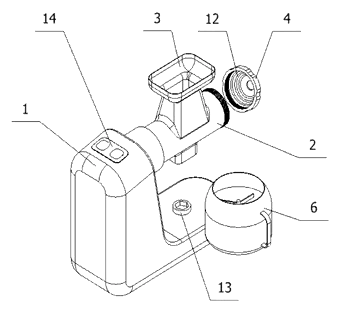
- The remaining dregs are pushed into an interface of slagging tap (4) connected to the cylinder. This interface is threaded onto the cylinder to prevent leaks during operation and allow easy removal for cleaning.
- Inside the discharge interface, three annular convex ribs (12) work against the turning screw to compress the pulp a second time. This secondary extrusion forces remaining juice out of the dregs before they exit through the slag notch (5).
- The extracted juice collects in the receiving cup (6), where an agitating device (8) consisting of a stirring shaft and vanes is already positioned.
- A first stirring motor (9) inside the fuselage (1) drives the agitating device through a rotation connection block (13) mounted on the body. This stirs the collected juice automatically.
- Both the first and second motors are direct current generators. The entire unit is managed via a control button (14) located on the top of the fuselage.
Who it is for
- Small kitchen appliance brands looking to add a slow-style juicer with a ceramic auger and built-in stirring function to their product catalog.
- Amazon sellers and e-commerce retailers sourcing differentiated home juicers that offer secondary pulp pressing and automatic mixing as distinct features.
- Juice bar and cafe operators needing a machine that extracts more liquid per batch of produce and keeps the juice mixed without manual intervention between orders.
- Wholesalers of home goods supplying stores that cater to buyers interested in kitchen appliances with specific mechanical designs rather than standard blade blenders.
How it works
The main parts
| No. | Part | What it does |
|---|---|---|
| 1 | Fuselage | Main body housing the motors and supporting the upper components. |
| 2 | Squeezing cylinder | Chamber where the produce is crushed by the screw. |
| 3 | Charging aperture | Top opening with a trapezoidal feed pipe for inserting produce. |
| 4 | Interface of slagging tap | Threaded discharge section attached to the cylinder. |
| 5 | Slag notch | Exit point for the pressed dregs. |
| 6 | Juice receiving cup | Container placed under the juice opening to catch liquid. |
| 7 | Juice opening | Bottom outlet of the cylinder, fitted with a filter screen. |
| 8 | Agitating device | Shaft and vanes inside the cup for stirring the juice. |
| 9 | First stirring motor | DC motor inside the fuselage driving the agitating device. |
| 10 | Second stirring motor | DC motor inside the fuselage driving the agitating screw. |
| 11 | Agitating screw | Ceramic screw inside the cylinder that cuts and presses produce. |
| 12 | Annular convex ribs | Three ribs inside the discharge interface for secondary pressing. |
| 13 | Rotation connection block | Mount on the fuselage connecting the first motor to the agitating device. |
| 14 | Control button | Switch on top of the fuselage to operate the machine. |
Operating steps
- Load produce - place fruits or vegetables into the charging aperture (3) at the top of the squeezing cylinder (2).
- Start extraction - press the control button (14) to turn on the second stirring motor (10), which rotates the ceramic agitating screw (11).
- Crush and press - the screw cuts the produce into small pieces and crushes them further, generating juice and dregs.
- Filter juice - the liquid passes through the filter screen at the juice opening (7) and drops into the juice receiving cup (6).
- Secondary pressing - the screw pushes the dregs into the interface of slagging tap (4), where the three annular convex ribs (12) squeeze them again before they exit the slag notch (5).
- Stir the juice - the first stirring motor (9) turns the rotation connection block (13), spinning the agitating device (8) inside the cup to mix the collected juice.
Applications
Home kitchens
Households preparing daily fresh juice benefit from the secondary pressing ribs, which extract more liquid from expensive organic produce. The built-in stirrer keeps the juice mixed in the cup, saving the user from washing a separate spoon or blending pitcher.
Juice bars and cafes
Commercial counters processing continuous batches need consistent yields. The ceramic screw and the three annular ribs work together to reduce the moisture left in the discarded pulp. Staff can serve the juice directly from the receiving cup since the agitating device prevents settling during busy periods.
Health food retail demonstrations
Appliance demonstrators in retail stores can show the automatic stirring feature to shoppers. Instead of stopping to shake a pitcher, the machine keeps the sample juice uniform while the presenter explains the extraction process.
Office breakrooms
Workplaces offering fresh juice stations need equipment that limits manual steps. Employees drop produce into the trapezoidal feed pipe, press the control button, and collect mixed juice without needing to learn complex assembly or cleaning routines beyond unscrewing the threaded discharge interface.
Small catering operations
Caterers preparing fresh beverages for events can use the integrated stirring function to keep large batches uniform. The threaded interface allows quick disassembly for washing between different types of fruits or vegetables during service.
Where it is less suitable
- High-volume industrial juice processing - factory lines producing thousands of liters per hour use large-scale hydraulic or centrifugal presses, not countertop auger machines.
- Hard root vegetables exclusively - while the patent mentions vegetables, capacity for extremely hard roots depends on the motor torque and ceramic strength, which are set in design and confirmed on prototypes.
- Users needing heated blending - this is a cold extraction and stirring device; it does not cook or heat the contents.
Frequently asked questions
How does the secondary pressing work?
As the ceramic screw pushes the crushed pulp toward the discharge exit, it passes through an interface containing three annular convex ribs. These ribs compress the dregs against the turning screw, squeezing out juice that a single-pass machine would leave behind. The dry pulp then exits through the slag notch.
Why is the crushing screw made of ceramic?
The patent specifies that the agitating screw inside the squeezing cylinder is made of ceramic material. Exact reasons such as wear resistance or interaction with acidic fruits are set in design and confirmed on prototypes based on the chosen ceramic grade.
What does the built-in stirrer do?
An agitating device, consisting of a shaft and vanes, sits directly inside the juice receiving cup. A dedicated DC motor in the base drives it through a rotation connection block, mixing the freshly extracted juice automatically so it does not separate before serving.
Are the motors AC or DC?
According to the patent claims, both the first stirring motor (which drives the cup stirrer) and the second stirring motor (which drives the ceramic screw) use direct current generators.
Is the juicer difficult to clean?
The patent describes that the interface of slagging tap is threadedly coupled to the squeezing cylinder. This threaded connection allows the discharge section to be unscrewed for cleaning without tools, preventing juice leakage during operation.
What shape is the feed chute?
The feed pipe at the top of the squeezing cylinder uses an up-narrow and down-wide trapezoidal structure. This guides the produce downward into the cylinder while limiting the size of the top opening.
Does it come with a filter?
Yes. The patent states that a filter screen is provided at the juice opening at the bottom of the squeezing cylinder to prevent dregs from entering the juice receiving cup.
Can this design be made and sold in the US?
The patent was filed only in China and is lapsed (terminated for non-payment of annual fees, recorded 2020-11-27), so it does not restrict the design in the US or in China. Juicer mechanisms may be covered by other US patents - see Patent & Production - so we recommend a freedom-to-operate check before volume production.
Are you affiliated with the patent owner?
No. IP2M is an independent design and manufacturing service working from the public patent document.
Request a quote
Click Request a Quote below to see our email address - copy it, or open your email app with a ready-made message. Please mention patent CN206792231U in the subject.
Helpful details to include:
- Your company and channel (appliance brand, Amazon seller, wholesaler, retailer)
- Target materials for the housing, cup, and ceramic screw specifications
- Motor requirements (voltage, plug type for the target market)
- Color and finish preferences
- Estimated quantity and target price
- Timeline - when you would like samples and the first shipment
You can also reach us at (332) 203-9997.
Explore this product
Interested in building this?
Tell us your target market, quantity and timeline. We reply with options for prototyping, small-batch runs or volume production.
Send your inquiry to
Please put CN206792231U in the subject line and tell us your company, country, estimated quantity and timeline.
Prefer to talk? Call (332) 203-9997.
More product-ready patents
All Home, Kitchen & Cleaning patents →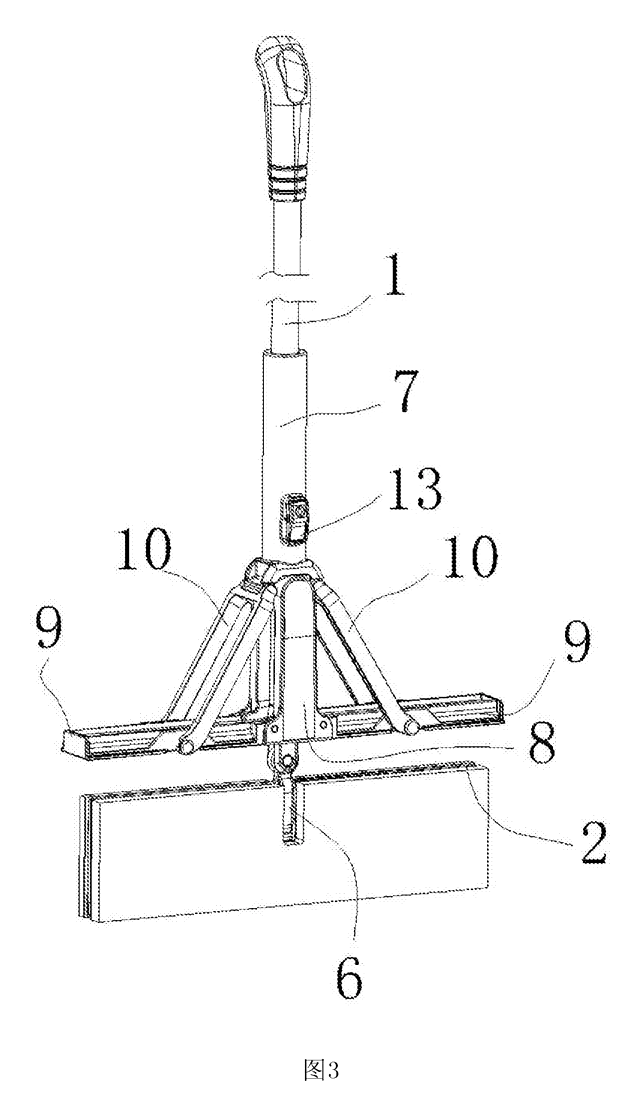
Home, Kitchen & Cleaning
Self-Wringing Flat Mop with Fold-Away Wringer
Flat mop with a built-in wringer that opens only when you wring and folds flat against the pole when you mop.
Patent CN207734114U
Home, Kitchen & Cleaning
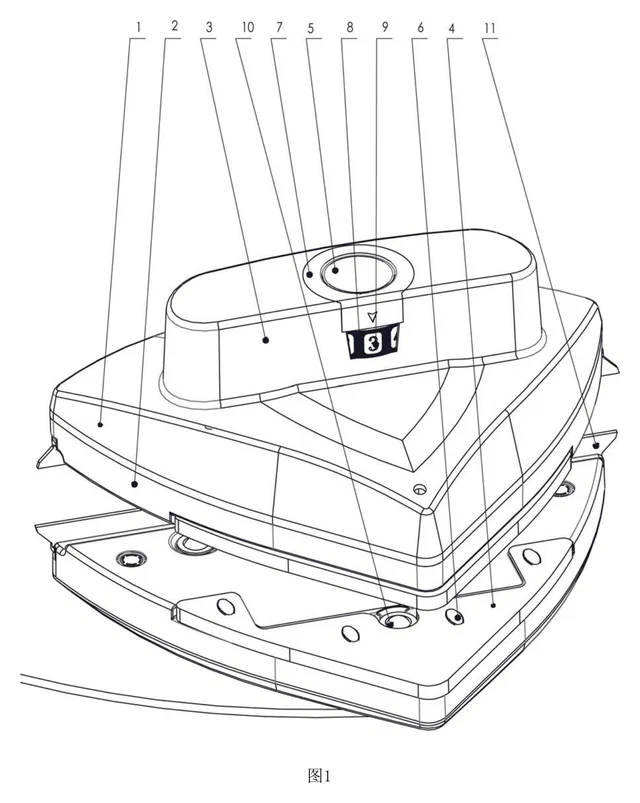
Magnetic Double-Sided Window Cleaner with Dial-Set Magnet Strength
Magnetic window cleaner with a sealed, sliding magnet, dial-set strength for different glass thicknesses and a spring-held idle position.
Patent CN209360543U
Home, Kitchen & Cleaning
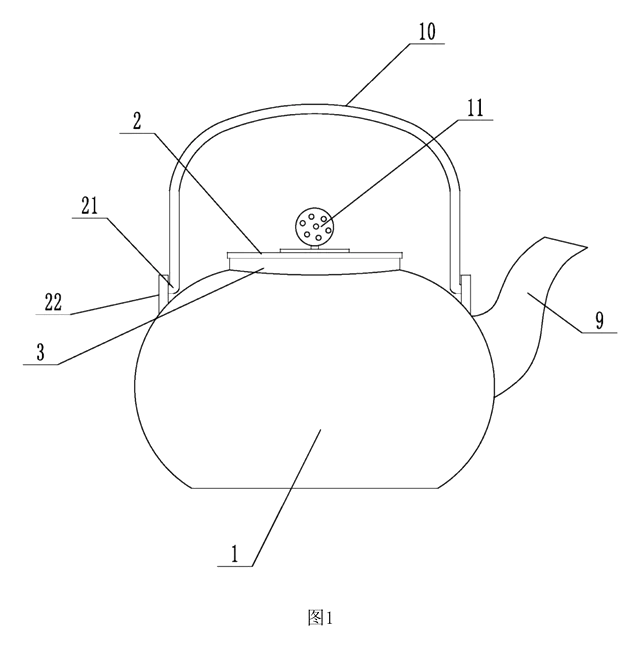
Metal Kettle with Magnetic Lid That Stays On When Pouring
Metal teapot/kettle with a magnet-held lid that does not fall off when pouring, and an insulated, vented lid knob.
Patent CN210540477U
Home, Kitchen & Cleaning
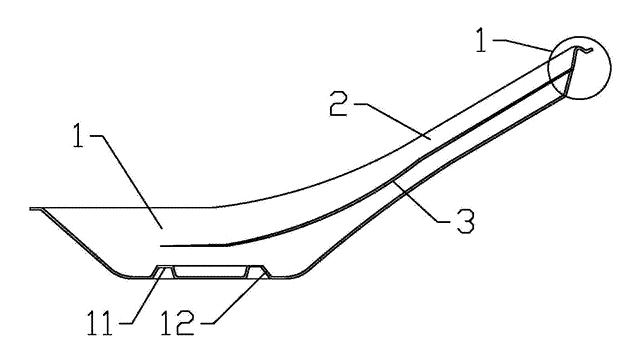
Reinforced Disposable Soup Spoon
Disposable soup spoon with a handle-to-bowl rib, stiffened edges and a ring foot to resist breaking.
Patent CN206964482U
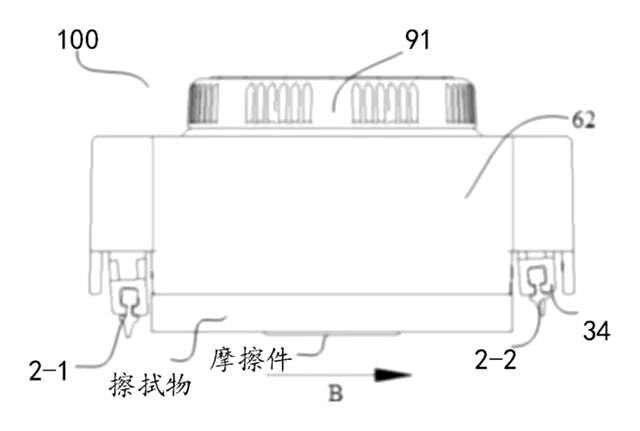
Home, Kitchen & Cleaning
Self-Switching Double-Squeegee Window Cleaner
Cleaning head with two squeegee blades that switch automatically with the direction of movement.
Patent CN212630655U
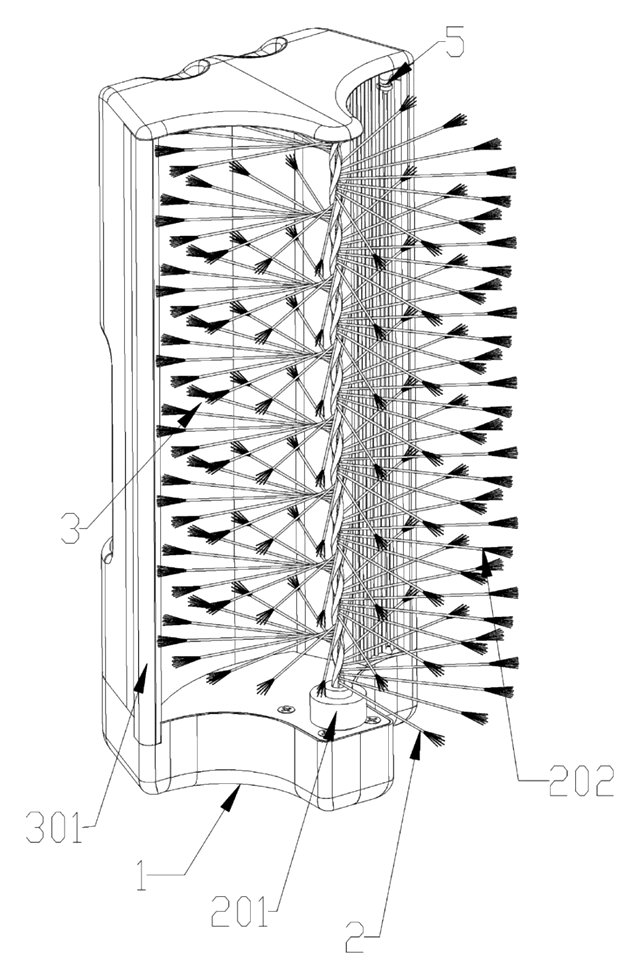
Home, Kitchen & Cleaning
Self-Rinsing Roller Scrub Brush with Dirty-Water Tank
Powered roller brush that rinses and spins its bristles clean inside the body and stores the dirty water.
Patent CN210076909U
Browse by category
- Apparel & Accessories (22)
- Baby & Kids (16)
- Bags & Luggage (9)
- Bath & Personal Care (16)
- Car Accessories (10)
- Furniture, Bedding & Storage (12)
- Garden & Outdoor (18)
- Health & Wellness (8)
- Home, Kitchen & Cleaning (24)
- Lighting (12)
- Packaging & Containers (6)
- Pet Products (6)
- Phone & Camera Accessories (4)
- Retail Display (13)
- School, Office & Art (19)
- Sports & Recreation (25)
- Tools & Workshop (27)
- Toys & Games (12)
This page is based on the public patent document CN206792231U, assigned to Foshan Nanhai Mei Yue Electric Co Ltd. IP2M is an independent manufacturing service and is not affiliated with, endorsed by or licensed by the patent owner. Images marked as concept renderings are illustrations, not photos of an existing product. Patent status information is provided for reference only and is not legal advice; confirm freedom to operate for your market before production. Full disclaimer.