At a glance
| Patent number | CN206896783U (application CN201720614716) |
| Type | China utility model (实用新型) - protects product shape and structure |
| Original title | Chess and card pieces, mahjong pieces, chess sets and mahjong sets (棋牌子、麻将牌子、棋具及麻将牌具) |
| Patent owner | Individual owners (no company listed in the public record) |
| Inventors | Xiao Wei, Cao Lanyuan, Liu Dan |
| Filing date | 2017-05-27 |
| Grant date | 2018-01-19 |
| Status (China) | In force - no termination recorded; a China utility model lasts at most 10 years from filing (to 2027-05-27) |
| Patent family | Chinese filings only - no US, European, Japanese, PCT or other filings listed |
| Cited by | 2 later documents |
| Source | Google Patents (search for CN206896783U) |
What the claims cover, in plain language
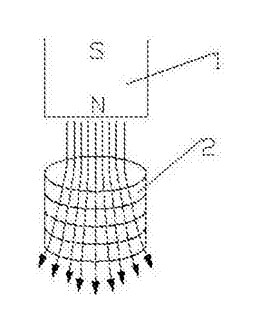
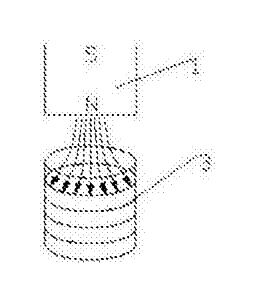
Claim 1 - a sheet-type game piece in defined thickness bands (0.1-0.5 mm, 0.5-5.5 mm or 5.5-7.5 mm), being a chess-type piece (Go, Chinese chess, chess, Korean chess, Junqi, Chinese checkers or gomoku) or a mahjong tile. The piece is made of at least one non-magnetic material and at least one magnetic material in the form of particles or powder smaller than the piece, arranged to form at least one magnetic flux channel with low reluctance, with a defined line-density value.
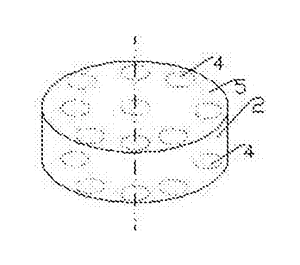
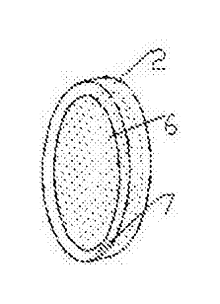
Claim 2 - seven ways of distributing the particles in the piece. Claims 3-11 - further features described in the patent, such as the soft-magnetic materials used, the finger-worn picking tool with two permanent magnets, the magnetic boards, the mahjong rack of L-shaped frames, the box frame, and thicker tiles with ridged end faces.
This is a simplified reading for orientation only. The legal scope is defined by the exact claim wording in the official Chinese document.
What this means for US production
This patent was filed only in China. It is still in force in China, so making or selling this design in China would need the owner’s permission while it lasts (at most until 2027-05-27). It has no US or other foreign counterpart and does not restrict the design outside China.
Two points to settle early:
- Other patents may exist. Magnetic travel games, magnetic chess pieces and tile racks have a long US patent history, and newer filings cover mahjong accessories for the American market; a freedom-to-operate (FTO) review by a US patent attorney should come before tooling.
- Choose one product first. The patent covers many games and thickness bands. A first product - for example a 4-5 mm travel mahjong set with racks, or a card-thin set with picker - should be fixed before tooling.
Customization and manufacturing
What can be customized
| Area | Options |
|---|---|
| Game | Chinese, American (with jokers) or Japanese mahjong; chess, Go, Chinese chess, multi-game sets |
| Tile thickness | Card-thin with picker, or thicker tiles with ridged ends |
| Materials | Melamine, ABS or acrylic with iron or ferrite powder |
| Tile faces | Engraved and painted, or printed designs; custom artwork |
| Racks and box | Steel rack frames, fold-flat box, colors and finishes |
| Accessories | Magnetic play mat, finger picker, dice, scoring cards, carry pouch |
Things to plan for (US market)
- ASTM F963 and CPSIA - if the set is marketed for children 12 and under, toy safety testing, lead and phthalate limits, a Children’s Product Certificate and tracking labels apply; small pieces need a choking-hazard warning (16 CFR 1500.19) for ages 3-6.
- Magnets - the picker’s permanent magnets must be securely fixed; loose high-power magnets would fall under the CPSC magnet rules (16 CFR 1262 for magnet sets, ASTM F963 for toys).
- California Prop 65 - check plastics, paints and printing inks.
- American mahjong tile sets - the US game uses a different tile count and jokers; confirm the set matches what players expect before launch.
How a project runs
- Inquiry - game, tile size and thickness, artwork and quantity.
- Design - particle loading and layout, tile faces, racks and box.
- Prototype - sample tiles tested for magnetic hold, picker function and wear of printed faces.
- Pilot run - small batch for safety tests if needed and packaging checks.
- Production - volume production, set packing and shipping.
Quantities & timeline
Tiles need compression or injection molds loaded with magnetic powder compound, faces need engraving or printing set-up, racks and box frames need stamping and bending dies, and magnetic mats need die-cutting. Most development time goes into the powder loading that gives enough hold without heavy tiles. Send us your game, tile size, artwork, quantity and target price and we will reply with options.
Patent drawings
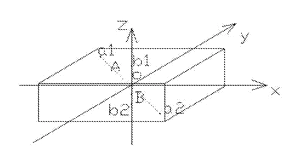
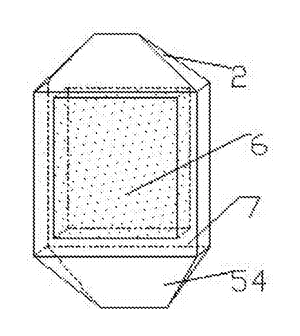
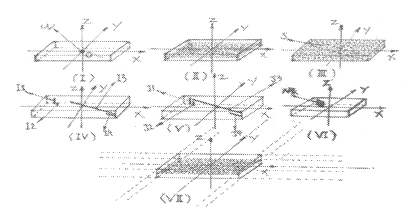
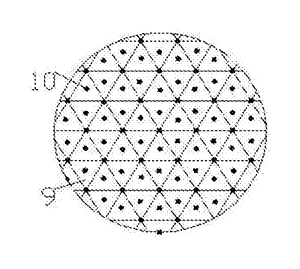
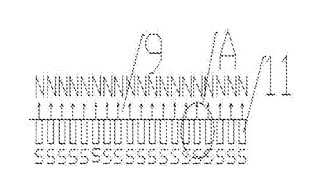
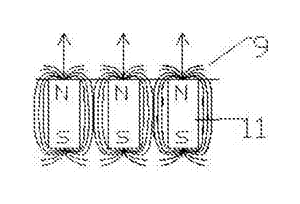
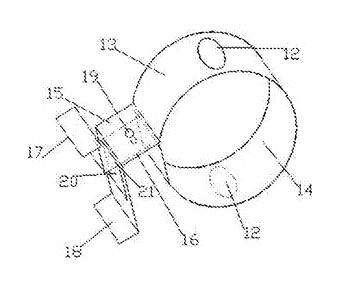
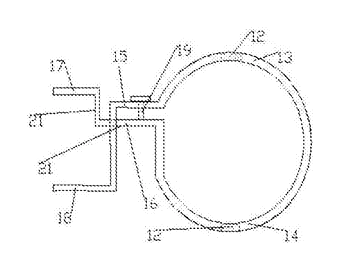
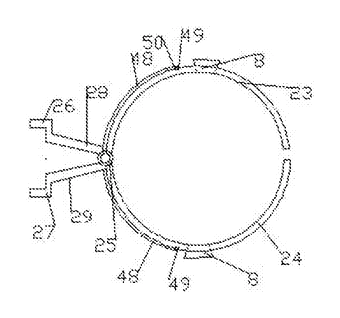
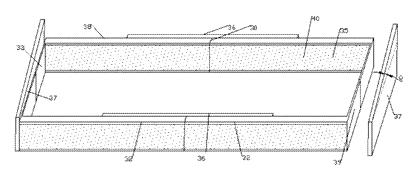
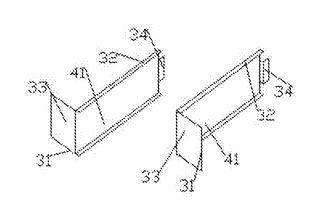
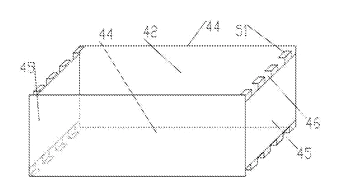
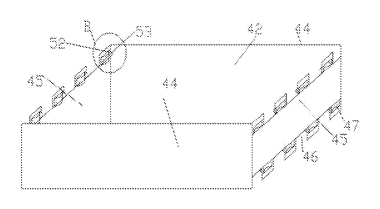
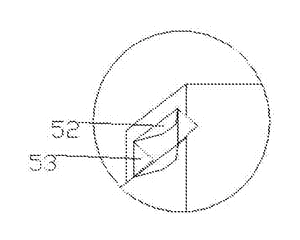
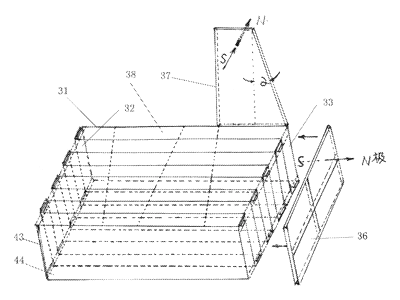
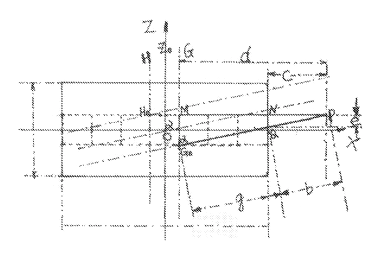
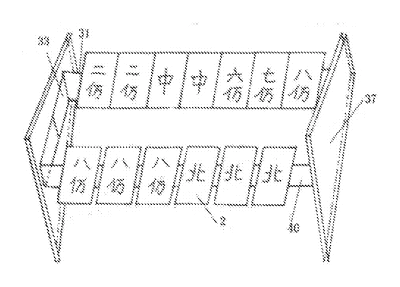
Drawings reproduced from the public patent document for reference.