
Patent CN207125593U
Updated October 26, 2026Phase-Change Thermal Cooker with Insulated Inner Pot
Standard thermal cookers rely only on vacuum insulation to slow down heat loss, which means the temperature drops continuously from the moment the pot leaves the stove. This design adds phase-change material sealed directly into the base or the side wall of the inner pot. You boil the pot on a regular stove for five to ten minutes; the phase-change material absorbs that heat and changes state. Once moved into the insulated outer cup and sealed with two lids, the material slowly reverts, releasing stored energy to hold the contents near 95 degrees Celsius. The result is steady simmering power for soups, stews and tough cuts, using only a brief initial boil.
- China utility model - lapsed
- No filings outside China
- Household & Tableware
- Conductive inner pot, PCM core, insulated outer cup
Splat! What let you down?
🌡️
Phase-change core
PCM sealed in the base or side wall absorbs stove heat and releases it steadily at about 95 degrees Celsius.
🍲
Double-lid seal
An insulating lid on the inner pot plus an outer lid on the cup form a two-layer thermal barrier.
🔥
Short boil only
Five to ten minutes on the stove charges the PCM, replacing hours of active simmering.
🧩
Separable build
The PCM unit can be made as a separate piece from the food container for easier heating and cleaning.
Bring this product to market
- ✓ Patent vetted China-only family and legal status checked
- 2 Product brief · now How it works, uses and options written up
- 3 Prototype First samples for buyers to review
- 4 Pilot run Small first batch for launch customers
- 5 Volume production Repeat orders at scale
Buyer interest
– of 100 buyers needed to start prototyping
One click, no sign-up. Each vote is one real visitor, and products with the most interest go to prototyping first.
Build team: no members yet. Need a partner, co-funding or skills to build this? Join and we introduce the team once it forms.
The problem
Cooking tough ingredients like meat and bones usually requires leaving a pot on a stove for hours, consuming fuel and demanding constant attention to prevent burning or boiling over. Conventional thermal flasks reduce heat loss but cannot actively supply heat back into the food once the temperature begins to drop. According to the patent, the objective is to provide an inner pot and outer cup system that maintains a high, steady temperature long enough to braise food effectively without continuous external heating.
The solution
- The inner pot body is made from a heat-conductive material and includes a side wall and a bottom.
- Phase-change material is sealed inside either the bottom or the side wall of this inner pot.
- An insulating inner lid fits tightly onto the top of the inner pot body.
- Two lifting ears are placed symmetrically at the top rim so the hot inner pot can be moved safely.
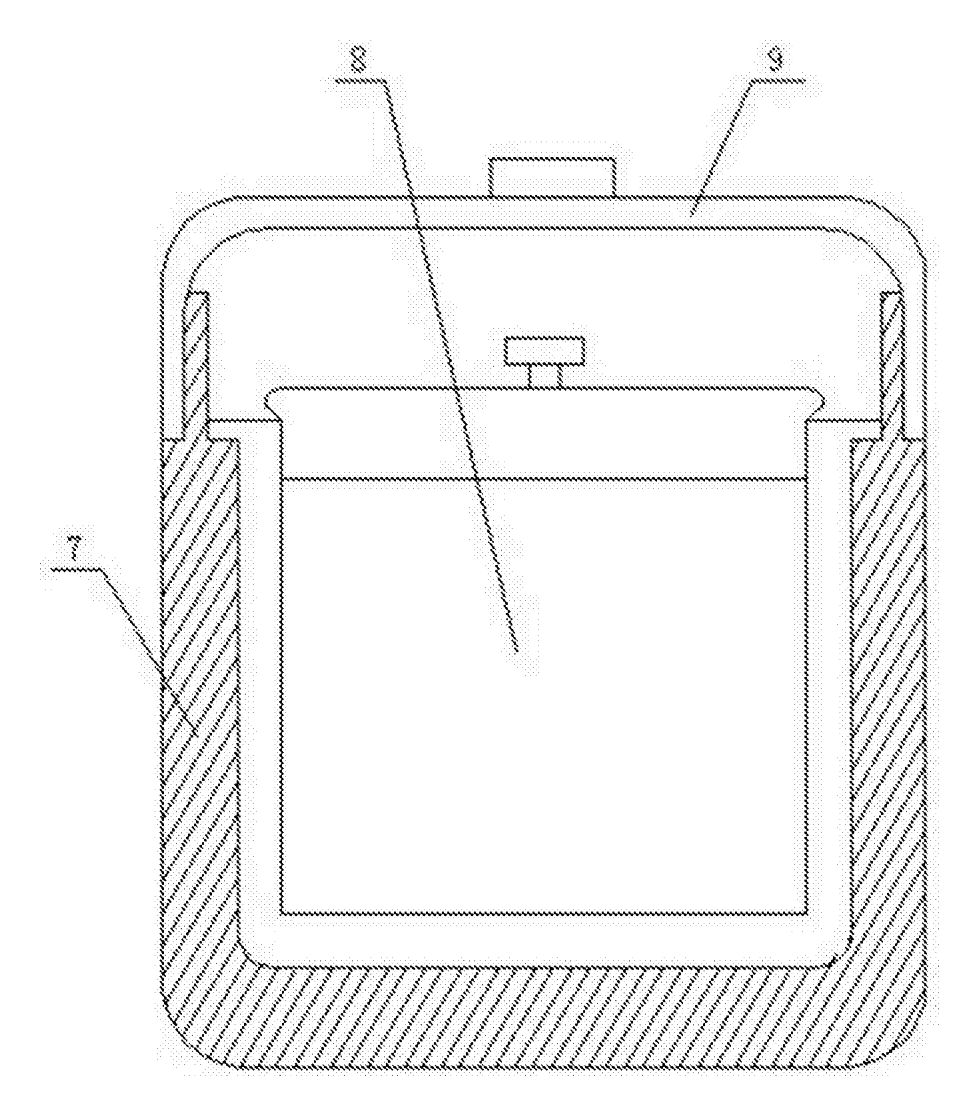
- The inner pot sits inside an outer insulating cup, which has its own cavity sized to receive the pot.
- An insulating outer lid covers the top of the outer cup, completing the double-insulation enclosure.
Who it is for
- Outdoor and camping gear brands looking for a fuel-saving cooking system where open fires or camp stoves are limited to short bursts.
- Housewares companies expanding their kitchenware lines with energy-efficient slow-cooking vessels for home kitchens.
- Promotional product suppliers sourcing practical, branded thermal cookers for corporate wellness or sustainability campaigns.
- Meal-prep container manufacturers adapting the separable PCM-core concept for bulk batch cooking and transport.
How it works
The main parts
| No. | Part | What it does |
|---|---|---|
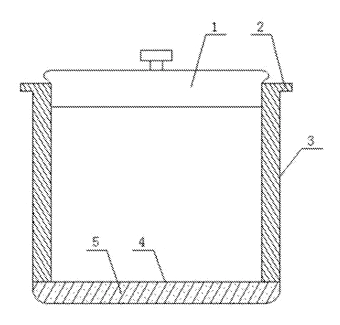
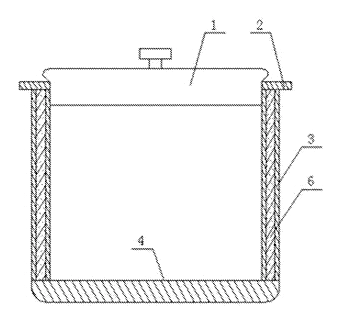
| 1 | Insulating inner lid | Seals the top of the inner pot to trap steam and heat. |
| 2 | Lifting ears | Symmetrical handles at the rim for safe handling when hot. |
| 3 | Side wall | Conductive wall of the inner pot holding the food. |
| 4 | Bottom | Base of the inner pot, which may contain the PCM. |
| 5, 6 | Phase-change material | Sealed inside the bottom (5) or side wall (6); absorbs and releases heat. |
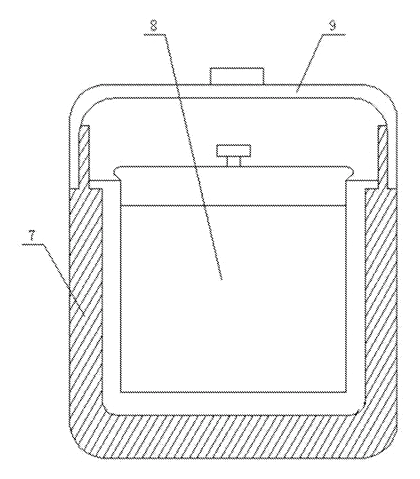
| 7 | Outer insulating cup | Houses the inner pot; provides the primary thermal barrier. |
| 8 | Inner pot assembly | The complete conductive pot with PCM and lifting ears. |
| 9 | Insulating outer lid | Covers the outer cup to complete the double-lid seal. |
Cooking steps
- Charge the PCM - place the inner pot on a stove in boiling water for about five to ten minutes. The phase-change material absorbs heat and transitions to store energy.
- Add food - put raw ingredients such as meat and bones into the inner pot, along with boiling water if not already added during charging.
- Transfer - use the lifting ears to move the hot inner pot off the stove and lower it into the cavity of the outer insulating cup.
- Seal - press the insulating inner lid onto the pot, then close the insulating outer lid over the cup.
- Simmer - as the food cools toward 95 degrees Celsius, the phase-change material begins to revert to its solid state, releasing stored heat back through the conductive wall to maintain the simmering temperature.
Applications
Off-grid camping
Campers boil the inner pot on a small backpacking stove for a few minutes, then pack it away in the outer cup to let dinner cook while they hike. This eliminates the need to leave a flame unattended at a campsite and saves limited fuel canisters.
Home energy saving
Home cooks start a stew on the kitchen range, charge the PCM, and transfer the pot to the counter. The meal continues to braise for hours without drawing electricity or gas, reducing utility bills during long-simmer recipes.
Office lunches
Workers prepare oatmeal or soup in the morning by boiling the inner pot briefly. By lunchtime, the food remains hot enough to eat directly from the vessel, removing the need to wait in line for a shared office microwave.
Emergency preparedness
During power outages, users can heat the inner pot using any available emergency stove or fire. The phase-change material extends the useful heat far beyond what a standard thermos provides, allowing families to cook dried beans or rice without sustained fuel.
Where it is less suitable
- Frying or searing - the system is built for moist-heat braising and simmering, not dry high-temperature cooking methods.
- Rapid cooling needs - because the PCM is designed to hold heat near 95 degrees Celsius, it cannot be used to chill items unless a different phase-change temperature is selected during manufacturing.
- Ultra-lightweight backpacking - the added mass of the phase-change material and double-wall construction makes it heavier than single-wall titanium pots meant strictly for boiling water.
Frequently asked questions
How long does it keep food simmering?
The patent describes charging the pot in boiling water for five to ten minutes so the phase-change material fully absorbs heat. Once sealed in the outer cup, the material releases energy as the food cools toward 95 degrees Celsius. Exact hold times depend on the volume of PCM and the food load, which are set in design and confirmed on prototypes.
Is the phase-change material safe if the pot is dented?
The PCM is sealed inside the metal wall or base of the inner pot. The patent specifies that the conductive body encloses the material entirely. For commercial production, the weld seams enclosing the PCM must pass pressure and thermal-cycle testing to ensure the food-contact surface remains intact even if the exterior suffers minor impacts.
Can I wash the inner pot in a dishwasher?
Because the inner pot is made of heat-conductive metal and contains a sealed PCM chamber, it behaves like a heavy-bottomed saucepan. Dishwasher compatibility depends on the specific metal alloy and the exterior finish chosen during manufacturing, which should be verified during the prototype phase.
What sizes can be produced?
The patent figures show a personal-sized vessel, but the claims do not limit the dimensions. Capacities ranging from about half a liter for single servings to several liters for family meals can be developed, with the PCM volume scaled proportionally to match the thermal mass of the food.
Why are there two separate lids?
The design uses an insulating inner lid directly on the pot and a second insulating outer lid on the cup. The patent states this creates a double-layer thermal insulation effect, trapping steam at the food surface while the outer lid blocks ambient heat loss from the cup cavity.
Can the PCM be tuned for a different temperature?
Yes. While the patent highlights a 95-degree Celsius transition point for braising, it also notes that selecting a different phase-change material allows the vessel to serve other functions, such as maintaining lower temperatures. The specific compound is chosen during the engineering stage.
Can this design be made and sold in the US?
The patent was filed only in China and is lapsed, so it does not restrict the design in the US or in China. Thermal cookware and vacuum-insulated vessels may be covered by other US patents - see Patent & Production - so we recommend a freedom-to-operate check before volume production.
Are you affiliated with the patent owner?
No. IP2M is an independent design and manufacturing service working from the public patent document.
Request a quote
Click Request a Quote below to see our email address - copy it, or open your email app with a ready-made message. Please mention patent CN207125593U in the subject.
Helpful details to include:
- Your company and channel (housewares brand, outdoor gear company, promotional supplier, retailer)
- Target capacity and preferred PCM placement (base or side wall)
- Outer cup material preference (vacuum stainless steel or composite)
- Color and finish requirements
- Estimated quantity and target price
- Timeline - when you would like samples and the first shipment
You can also reach us at (332) 203-9997.
Explore this product
Interested in building this?
Tell us your target market, quantity and timeline. We reply with options for prototyping, small-batch runs or volume production.
Send your inquiry to
Please put CN207125593U in the subject line and tell us your company, country, estimated quantity and timeline.
Prefer to talk? Call (332) 203-9997.
More product-ready patents
All Home, Kitchen & Cleaning patents →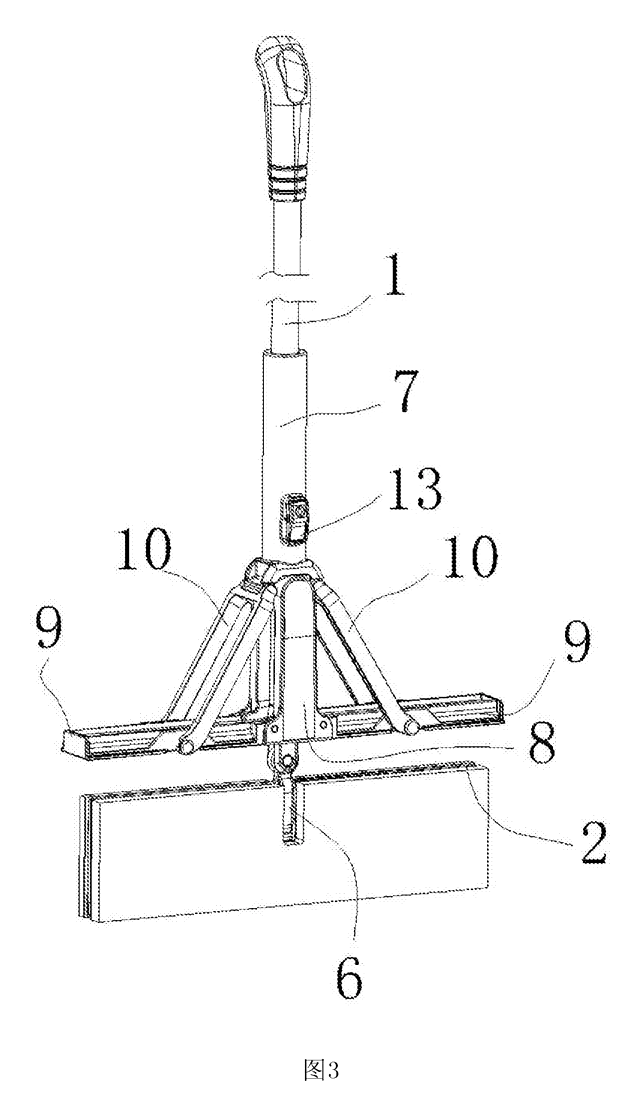
Home, Kitchen & Cleaning
Self-Wringing Flat Mop with Fold-Away Wringer
Flat mop with a built-in wringer that opens only when you wring and folds flat against the pole when you mop.
Patent CN207734114U
Home, Kitchen & Cleaning
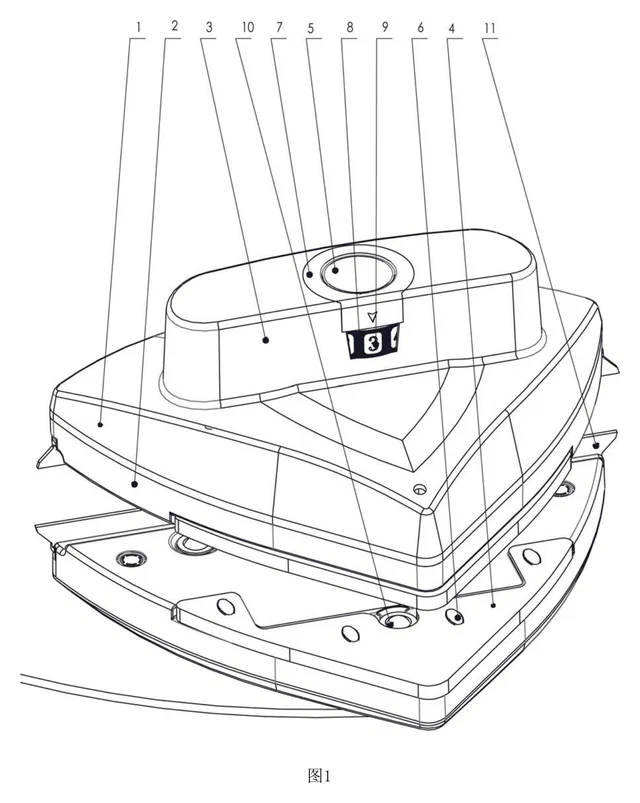
Magnetic Double-Sided Window Cleaner with Dial-Set Magnet Strength
Magnetic window cleaner with a sealed, sliding magnet, dial-set strength for different glass thicknesses and a spring-held idle position.
Patent CN209360543U
Home, Kitchen & Cleaning
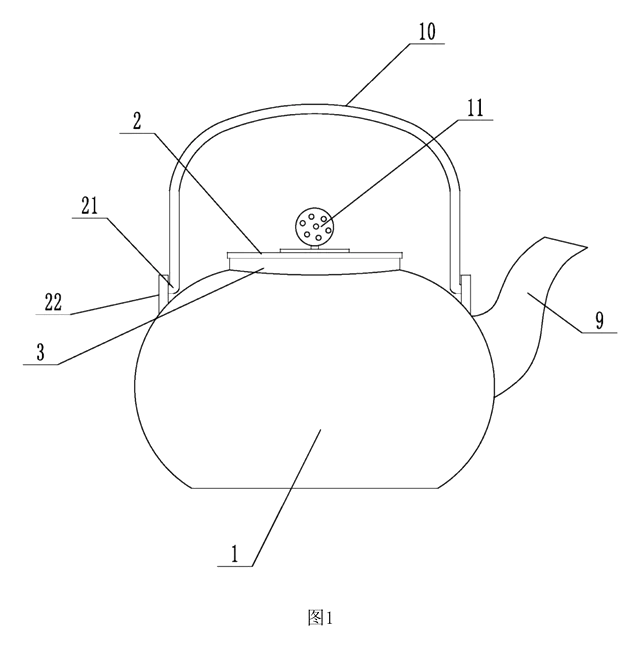
Metal Kettle with Magnetic Lid That Stays On When Pouring
Metal teapot/kettle with a magnet-held lid that does not fall off when pouring, and an insulated, vented lid knob.
Patent CN210540477U
Home, Kitchen & Cleaning
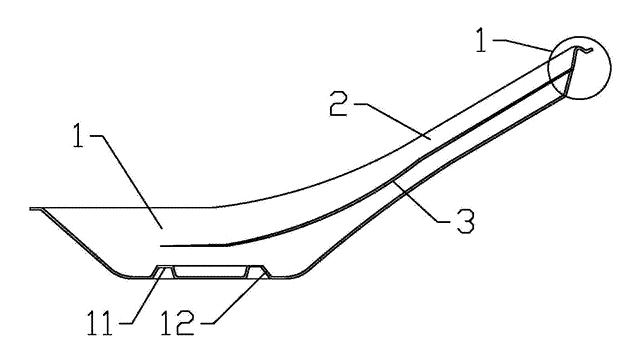
Reinforced Disposable Soup Spoon
Disposable soup spoon with a handle-to-bowl rib, stiffened edges and a ring foot to resist breaking.
Patent CN206964482U
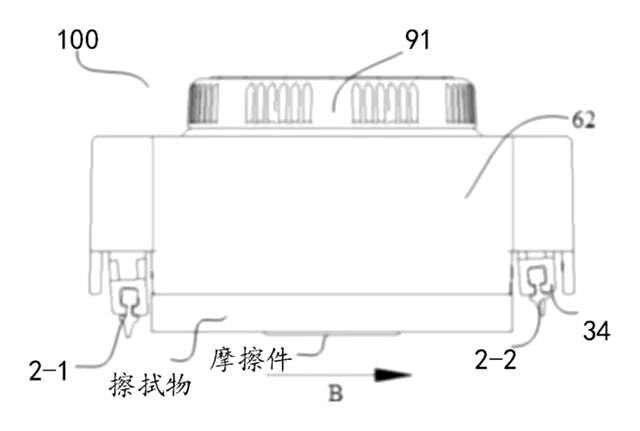
Home, Kitchen & Cleaning
Self-Switching Double-Squeegee Window Cleaner
Cleaning head with two squeegee blades that switch automatically with the direction of movement.
Patent CN212630655U
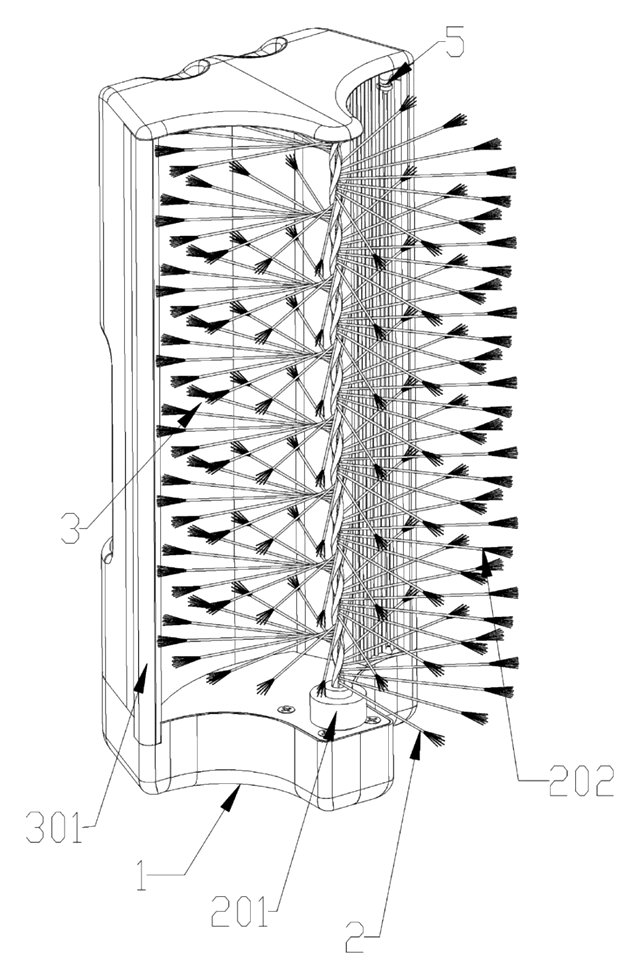
Home, Kitchen & Cleaning
Self-Rinsing Roller Scrub Brush with Dirty-Water Tank
Powered roller brush that rinses and spins its bristles clean inside the body and stores the dirty water.
Patent CN210076909U
Browse by category
- Apparel & Accessories (22)
- Baby & Kids (16)
- Bags & Luggage (9)
- Bath & Personal Care (16)
- Car Accessories (10)
- Furniture, Bedding & Storage (12)
- Garden & Outdoor (18)
- Health & Wellness (8)
- Home, Kitchen & Cleaning (24)
- Lighting (12)
- Packaging & Containers (6)
- Pet Products (6)
- Phone & Camera Accessories (4)
- Retail Display (13)
- School, Office & Art (19)
- Sports & Recreation (25)
- Tools & Workshop (27)
- Toys & Games (12)
This page is based on the public patent document CN207125593U, assigned to Individual. IP2M is an independent manufacturing service and is not affiliated with, endorsed by or licensed by the patent owner. Images marked as concept renderings are illustrations, not photos of an existing product. Patent status information is provided for reference only and is not legal advice; confirm freedom to operate for your market before production. Full disclaimer.