
Patent CN207202980U
Updated October 25, 2026Pneumatic Multi-Directional Neck Traction Collar
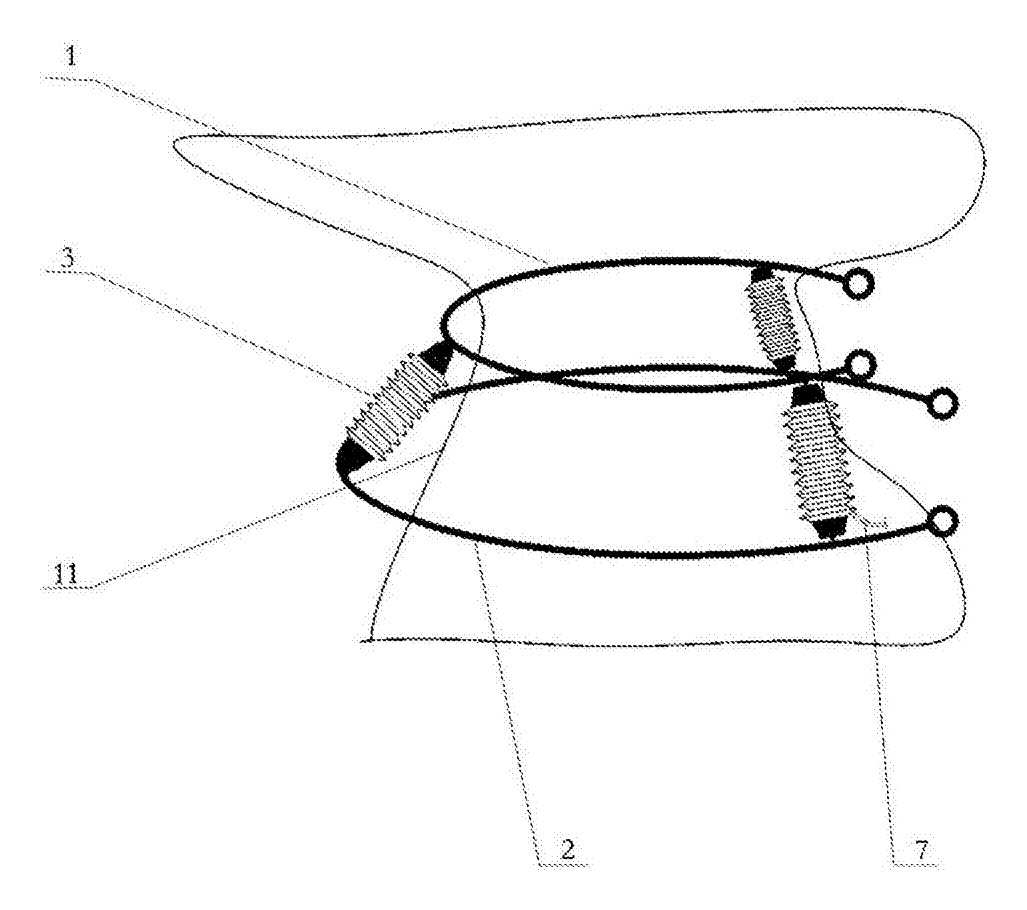
This design uses three separate accordion-style airbags mounted between two open rings. Because each bag pivots on a pin shaft at both ends and receives air from its own vacuum pump through a solenoid valve block, they can inflate and deflate in coordinated sequences. The result is a collar that actively tilts the head forward, backward, side-to-side, and into rotation for multi-dimensional cervical traction, according to the patent.
- China utility model - lapsed
- No filings outside China
- Cervical rehabilitation & wellness
- Pneumatic accordion airbags, pin-shaft joints, solenoid valves
Splat! What let you down?
🎈
Three independent airbags
Left, right and rear accordion bags inflate separately to guide the head in different directions.
🔄
Pivoting pin-shaft mounts
Each airbag connects to the frames via a pin shaft and cotter pin, allowing it to rotate around the pin shafts.
⚙️
Solenoid-controlled airflow
Three dedicated solenoid valve blocks and vacuum pumps manage the fill and exhaust cycles for each bag.
↔️
Open-ring frames
The upper and lower skeletons feature an opening, allowing the collar to be wrapped around the neck.
Bring this product to market
- ✓ Patent vetted China-only family and legal status checked
- 2 Product brief · now How it works, uses and options written up
- 3 Prototype First samples for buyers to review
- 4 Pilot run Small first batch for launch customers
- 5 Volume production Repeat orders at scale
Buyer interest
– of 100 buyers needed to start prototyping
One click, no sign-up. Each vote is one real visitor, and products with the most interest go to prototyping first.
Build team: no members yet. Need a partner, co-funding or skills to build this? Join and we introduce the team once it forms.
The problem
People recovering from neck stiffness or undergoing cervical conditioning often rely on simple traction devices that pull the head straight upward. While vertical stretch has its place, the cervical spine naturally moves in multiple planes—flexion, extension, lateral bending, and rotation. According to the patent, multi-dimensional traction movement can improve the stimulation effect and rehabilitation training effect of the muscles required for various neck movements.
The solution
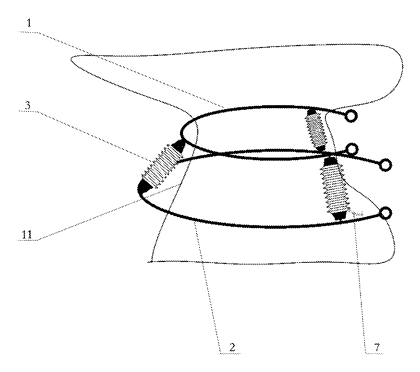
The patent describes a multi-dimensional movement cervical traction apparatus designed to address this limitation. It uses three distinct organ-type (accordion) airbags positioned between an upper skeleton and a lower skeleton. Both skeletons are ring-shaped with an opening, allowing the device to be wrapped around the neck from back to front.
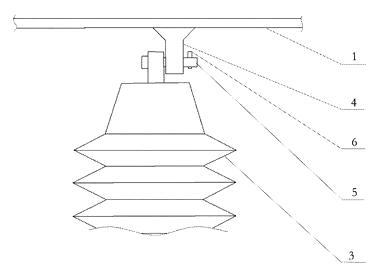
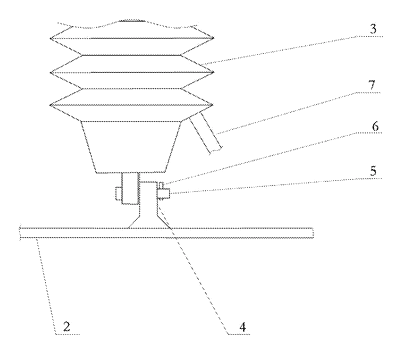
Three connecting tabs are fixed to the bottom of the upper frame and three to the top of the lower frame, arranged in an equilateral triangle layout. The top of each airbag attaches to an upper tab via a pin shaft and cotter pin, letting the bag pivot. The bottom attaches to a lower tab in the same way. Three separate air intake devices—each consisting of a solenoid valve block and a vacuum pump—connect one-to-one with the airbags through dedicated intake pipes. By coordinating which bags inflate and which exhaust, the frame drives the head through multi-directional movements.
Who it is for
- Physical therapy clinics and rehabilitation centers seeking pneumatic equipment to assist therapists in guiding patients through structured cervical mobility routines without manual manipulation.
- Medical device brands looking to expand their orthopedic or recovery product lines with a multi-axis pneumatic collar that offers more functionality than basic vertical traction units.
- Wellness and massage equipment manufacturers targeting the consumer or professional spa market who want to integrate directional neck-relaxation features into their existing chair or table systems.
- Home-care medical suppliers providing support tools for patients who need consistent, repeatable neck movement protocols prescribed by their healthcare providers.
How it works
The main parts
| No. | Part | What it does |
|---|---|---|
| 1 | Upper skeleton (frame) | Ring-shaped support with an opening and three connecting tabs at the bottom. |
| 2 | Lower skeleton (frame) | Ring-shaped base with an opening and three connecting tabs at the top. |
| 3 | Airbags (left, right, rear) | Organ-type (accordion) bladders that expand and contract to move the upper frame relative to the lower frame. |
| 4 | Connecting tabs | Fixed brackets on the upper and lower frames where the airbags attach. |
| 5 | Pin shaft and cotter pin | Pivot hardware securing the top and bottom of each airbag to the tabs, allowing rotational freedom. |
| 6 | Air intake pipe | Tubing connecting the interior of each airbag to its respective intake device. |
| 7 | Solenoid valve block | Electrically operated valve regulating airflow into and out of the corresponding airbag. |
| 8 | Vacuum pump | Air supply unit paired with the solenoid valve to inflate or exhaust the airbag. |
| 11 | Neck (user reference) | The anatomical position where the device is applied. |
Operating steps
According to the patent, the device operates by coordinating the inflation and deflation of the three airbags to produce specific head movements:
- Fitting the device: The upper frame (1) and lower frame (2) are wrapped around the user’s neck (11) from back to front. The left and right airbags sit symmetrically on the sides of the neck, while the third airbag rests at the rear.
- Extension (tilting back): The left and right airbags are inflated while the rear airbag is exhausted. This drives the head into extension.
- Flexion (tilting forward): The left and right airbags are exhausted while the rear airbag is inflated. This tilts the head forward.
- Lateral bending (right tilt): The left airbag is inflated while the right airbag is exhausted, tilting the head to the right. Reversing this (exhausting left, inflating right) tilts the head to the left.
- Rotation: To drive rotational movement, one side airbag is exhausted while the rear airbag maintains its current length, causing the head to rotate. Changing the side-airbag inflation/exhaust combination reverses the rotational direction.
Applications
Physical therapy clinics
Therapists use traction to guide patients through passive cervical range-of-motion exercises. Instead of manually manipulating the patient’s head, the clinician sets the solenoid valves to cycle through flexion, extension, and lateral bends, ensuring consistent force application across sessions.
Post-surgical rehabilitation
Patients recovering from certain cervical procedures require carefully controlled, gradual mobilization once cleared by a physician. The patent describes the ability to isolate specific directional movements, allowing clinicians to target only the safe planes of motion while avoiding stress on healing tissues.
Ergonomic workplace wellness
Corporate wellness programs sometimes provide relaxation stations for employees experiencing neck fatigue from prolonged desk work. A multi-directional pneumatic collar can offer guided stretching breaks, moving the neck through its full range to relieve static posture tension.
Professional sports recovery
Athletes in contact sports or disciplines requiring high neck mobility (such as swimming or motorsport) use specialized recovery gear. This device provides multi-axis muscle stimulation after intense training, helping maintain flexibility and reduce stiffness.
Home care for chronic conditions
Individuals managing chronic neck tightness under medical supervision can use automated traction at home. The distinct air intake lines allow a caregiver or controller to run pre-set sequences safely without requiring the user to manually pump or adjust the collar.
Where it is less suitable
- Acute spinal injuries or unstable fractures - pneumatic traction of any kind is contraindicated until structural stability is confirmed by a physician.
- Pediatric patients - the frame geometry and airbag volume described are sized for adults; pediatric use would require significant redesign and specialized clinical validation.
- Users requiring continuous high-force mechanical traction - heavy-duty motorized traction tables provide higher sustained loads than pneumatic accordion bags, which are better suited for dynamic, low-to-moderate force mobilization.
Frequently asked questions
How does this collar move the head in different directions?
This design uses three separate accordion airbags placed at the left, right, and rear of the neck. By inflating one bag while exhausting another, the upper frame tilts relative to the lower frame. For example, inflating the rear bag while deflating the side bags tips the head forward into flexion. Coordinated sequences create lateral bending and rotation.
Why do the airbags use pin shafts instead of being glued to the frame?
The pin shaft and cotter pin act as a hinge. The patent describes the top and bottom of each airbag rotating around the pin shafts.
What is an “organ-type” airbag?
The patent identifies the airbag as an organ-type airbag.
Are the three airbags connected to one pump?
According to the patent, there are three separate air intake devices, connected one-to-one with the three airbags. Each intake device includes its own solenoid valve block and vacuum pump. The patent describes independent air intake devices for each airbag, enabling different bags to be inflated or exhausted to produce directional movement.
Is this device meant for hospitals or home use?
The patent describes the mechanical structure and movement principles without restricting the setting. In practice, the inclusion of solenoid valves and vacuum pumps suggests it could be adapted for both. Clinical versions might use larger external compressors and wired controllers, while consumer wellness versions would likely use miniaturized battery-powered micro-pumps. The final configuration is determined during the product design phase.
How do you keep the hard frame comfortable against the skin?
The patent focuses on the mechanical skeleton and pneumatic system. For actual production, comfort is achieved by adding secondary components not detailed in the claims, such as removable foam padding, gel inserts, or fabric covers over the upper and lower rings. Material selection for these liners depends on whether the device is intended for clinical hygiene (wipeable surfaces) or home comfort (breathable fabrics).
Can this design be made and sold in the US?
The patent was filed only in China and has lapsed due to non-payment of annual fees, so it does not restrict the design in the US or in China. Cervical traction devices may be covered by other US patents - see Patent & Production - so we recommend a freedom-to-operate check before volume production. Additionally, depending on the marketing claims, the product may require FDA clearance as a medical device.
Are you affiliated with the patent owner?
No. IP2M is an independent design and manufacturing service working from the public patent document.
Request a quote
Click Request a Quote below to see our email address - copy it, or open your email app with a ready-made message. Please mention patent CN207202980U in the subject.
Helpful details to include:
- Your company and channel (medical device brand, physical therapy supplier, wellness equipment maker)
- Intended use (clinical rehabilitation, consumer wellness, or ergonomic office tool)
- Target market (US, EU, etc.) to determine regulatory testing requirements
- Preferred materials for frames and airbags
- Control method (handheld remote, app-controlled, or clinical console)
- Estimated quantity and target price
- Timeline - when you would like prototypes and the first production run
You can also reach us at (332) 203-9997.
Explore this product
Interested in building this?
Tell us your target market, quantity and timeline. We reply with options for prototyping, small-batch runs or volume production.
Send your inquiry to
Please put CN207202980U in the subject line and tell us your company, country, estimated quantity and timeline.
Prefer to talk? Call (332) 203-9997.
More product-ready patents
All Health & Wellness patents →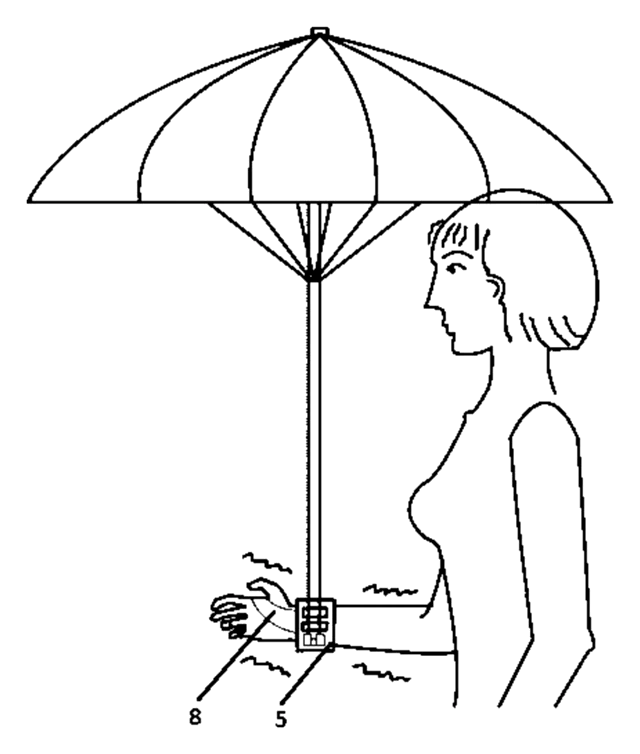
Health & Wellness
Wrist-Mounted Umbrella Stabilizer
Wrist-worn umbrella holder with an anti-shake link; the patent designs it for people with tremor.
Patent CN212545964U
Health & Wellness
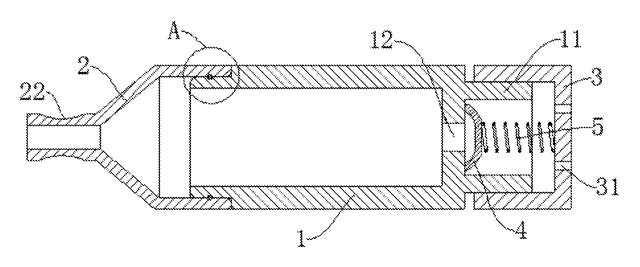
Spring-Valve Breath Trainer for Singers
Pocket breath trainer: blow against a spring-loaded valve to practice breath support for singing.
Patent CN207833725U
Health & Wellness
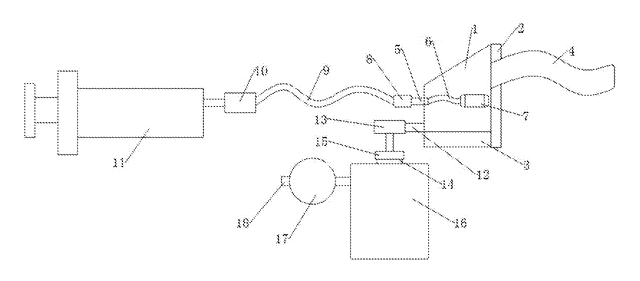
Closed-Loop Nasal Rinse Kit with Collection Bottle
Nasal rinse set: syringe-fed nose plug inside a sealed hood, with used solution drawn into a bottle.
Patent CN208017763U
Health & Wellness
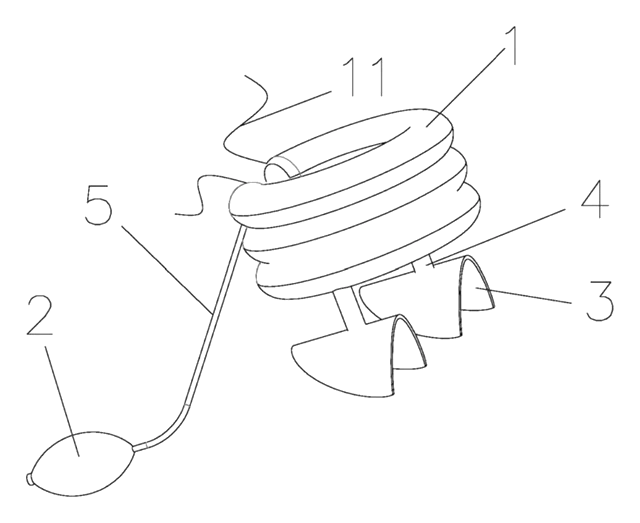
Inflatable Cervical Traction Collar Shaped for a Child's Neck
Child-size three-ring air collar on telescoping shoulder struts, inflated with a hand bulb.
Patent CN208958444U
Health & Wellness
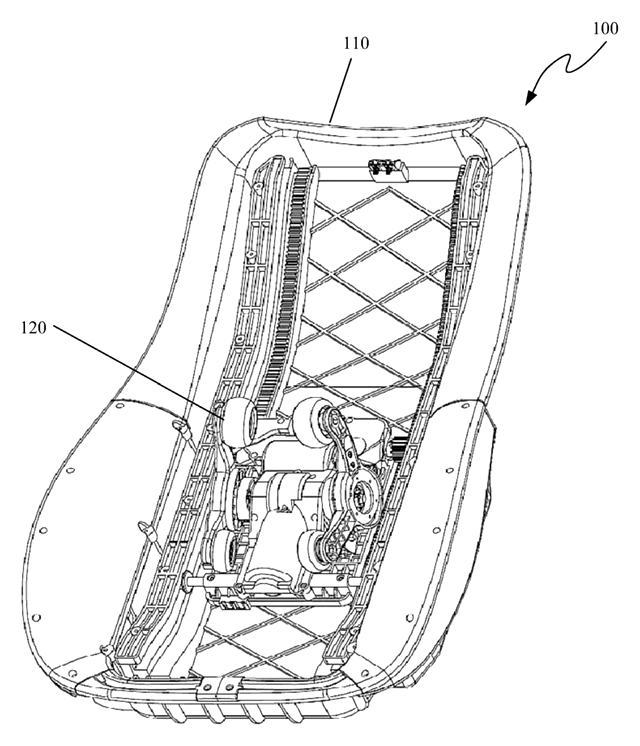
Shoulder-Detecting Massage Chair Mechanism with Forked Swing Arms
Massage chair core uses forked swing arms and sensors to detect shoulders and adjust the routine.
Patent CN106618998B
Health & Wellness
Switchable Rotation Device for Handheld Massagers
Massage attachment mechanism that switches between locked and free-rotating positions.
Patent CN214968684U
Browse by category
- Apparel & Accessories (22)
- Baby & Kids (16)
- Bags & Luggage (9)
- Bath & Personal Care (16)
- Car Accessories (10)
- Furniture, Bedding & Storage (12)
- Garden & Outdoor (18)
- Health & Wellness (8)
- Home, Kitchen & Cleaning (24)
- Lighting (12)
- Packaging & Containers (6)
- Pet Products (6)
- Phone & Camera Accessories (4)
- Retail Display (13)
- School, Office & Art (19)
- Sports & Recreation (25)
- Tools & Workshop (27)
- Toys & Games (12)
This page is based on the public patent document CN207202980U, assigned to Hebei University. IP2M is an independent manufacturing service and is not affiliated with, endorsed by or licensed by the patent owner. Images marked as concept renderings are illustrations, not photos of an existing product. Patent status information is provided for reference only and is not legal advice; confirm freedom to operate for your market before production. Full disclaimer.