At a glance
| Patent number | CN207733803U (application CN201721846385) |
| Type | China utility model (实用新型) - protects product shape and structure |
| Original title | Pull-rod backpack (一种拉杆背包) |
| Patent owner | Gao Yuefei (高月飞), individual |
| Inventor | Gao Yuefei |
| Priority date | 2017-05-11 (Chinese application CN201720522818) |
| Filing date | 2017-12-25 |
| Grant date | 2018-08-17 |
| Status (China) | In force - no termination recorded; a China utility model lasts at most 10 years from filing (to 2027-12-25) |
| Patent family | Chinese filings only - no US, European, Japanese, PCT or other filings listed |
| Cited by | 1 later document |
| Source | Google Patents (search for CN207733803U) |
What the claims cover, in plain language
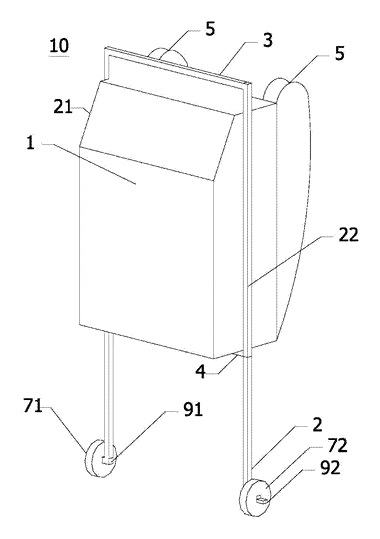
Claim 1 - a backpack with a bag body and a pull-rod mechanism made of a left telescopic rod on the left side of the bag, a right telescopic rod on the right side, both extending upward, and a handle between their upper ends.
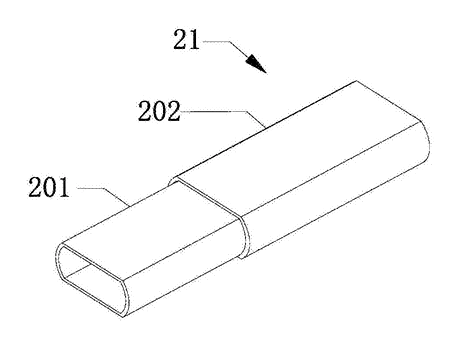
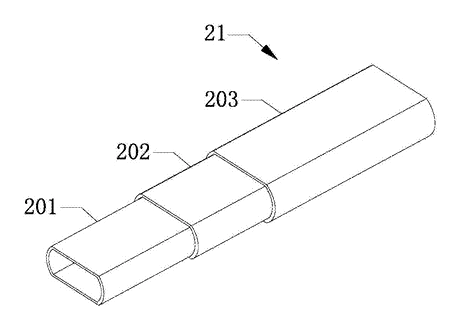
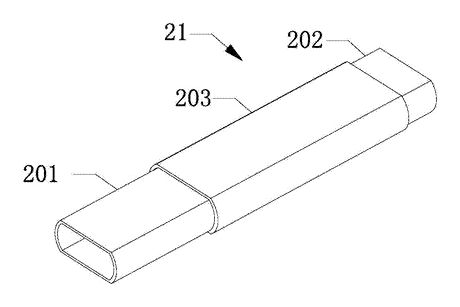
Claim 2 - wheels on the lower part of the bag on a self-locking lifting mechanism that raises the bag body a set distance. Claim 3 - left and right wheels on the bottom ends of the rods, and rods that extend downward and lock, increasing the distance between wheels and bag body. Claims 4-5 - each rod is a first tube inside a second tube fixed to the bag; the wheels are on the first tubes, the handle on the second tubes; a self-locking device locks the tubes. Claims 6-10 - three-tube versions of the rods, with self-locking devices between the tubes.
This is a simplified reading for orientation only. The legal scope is defined by the exact claim wording in the official Chinese document.
What this means for US production
This patent was filed only in China. It is still in force in China, so making or selling this design in China would need the owner’s permission while it lasts (at most until 2027-12-25). It has no US or other foreign counterpart and does not restrict the design outside China.
Before production, keep in mind:
- Other patents may exist. Rolling backpacks and convertible luggage are popular product types with US utility and design patents. Use your own styling and have a freedom-to-operate (FTO) search done by a US patent attorney before volume production.
Customization and manufacturing
What can be customized
| Area | Options |
|---|---|
| Size | School, day-pack or carry-on sizes - to be confirmed in design |
| Rails | Two- or three-section aluminum or steel tubes; with or without the wheel-lowering function |
| Wheels | Wheel size, material and bearings |
| Bag | Fabric (polyester, nylon, recycled), compartments, laptop sleeve, rain cover |
| Comfort | Padded back panel and straps, chest strap |
| Branding | Colors, prints, logo patches, licensed graphics |
| Packaging | Polybag with hangtag, retail box |
Things to plan for (US market)
- Children’s products - a bag designed for children 12 and under is a children’s product: it needs testing for lead and phthalates and a Children’s Product Certificate and tracking label (CPSIA).
- Pinch points - check the telescopic rails and locks for finger pinching.
- Materials and labels - fiber content and country-of-origin labels; check coatings against California Proposition 65.
How a project runs
- Inquiry - size, age group, rail type and quantity.
- Design - rail mounting in the side seams, wheel housing, bag layout.
- Prototype - samples for pulling, rail-lock, load and wear tests.
- Pilot run - small batch to check sewing and rail assembly.
- Production - volume production, packaging and shipping.
Quantities & timeline
The rails and wheels are standard trolley components adapted to side mounting; the bag is cut-and-sew. Send us your size, target age group, quantity and target price and we will reply with options.
Patent drawings
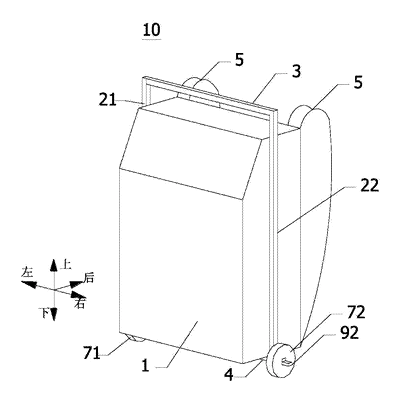
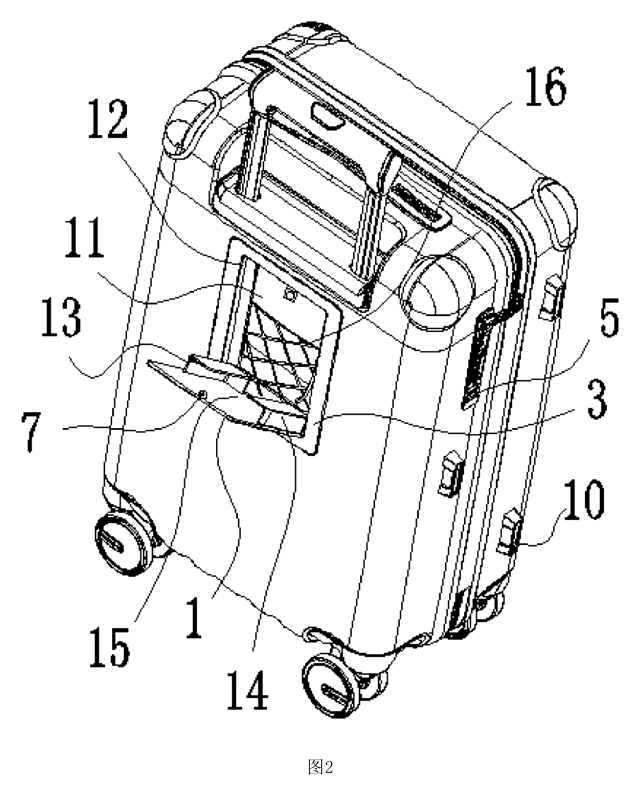
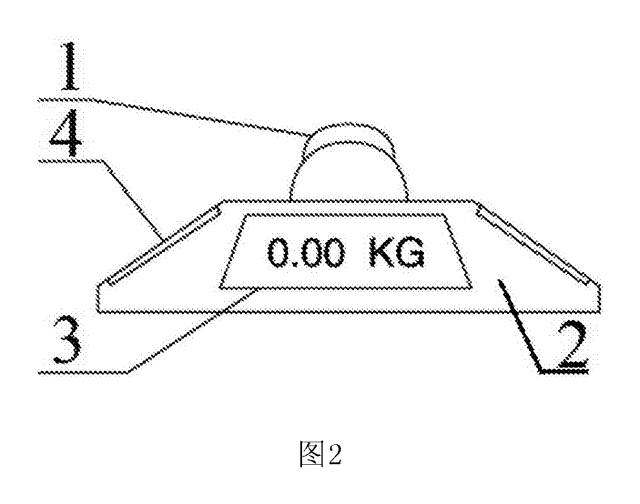
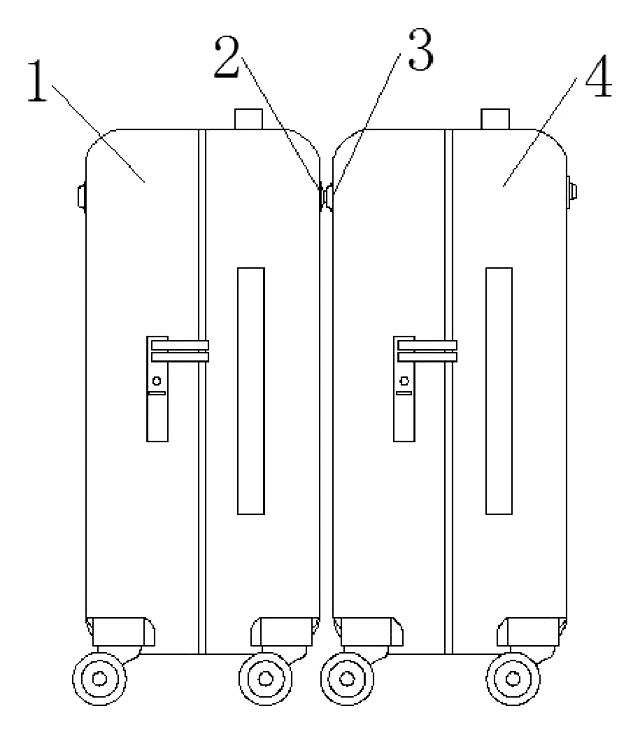
Drawings reproduced from the public patent document for reference.