
Patent CN207833725U
Updated October 23, 2026Spring-Valve Breath Trainer for Singers
Singers, wind players and speakers train breath support - the steady pressure behind the voice. This pocket trainer is a tube with a mouthpiece at one end and a spring-loaded rubber valve at the other. Air only escapes when you blow hard enough to push the valve open, so you practice controlled, sustained pressure. The mouthpiece pulls off for cleaning and has a lip groove for a comfortable seal.
- China utility model - lapsed
- No filings outside China
- Breath & voice training
- Molded tube, rubber valve, spring
Splat! What let you down?
🎤
Made for vocal practice
The patent describes it as a breath exerciser for vocal music training.
🌬️
Spring-loaded valve
A rubber seal pressed by a spring opens only when the breath pressure is high enough.
🧼
Pull-off mouthpiece
The mouthpiece slides off a sealed step on the tube for cleaning and disinfecting.
👄
Lip groove
A ring-shaped groove on the mouthpiece gives the lips a comfortable, sealed grip.
Bring this product to market
- ✓ Patent vetted China-only family and legal status checked
- 2 Product brief · now How it works, uses and options written up
- 3 Prototype First samples for buyers to review
- 4 Pilot run Small first batch for launch customers
- 5 Volume production Repeat orders at scale
Buyer interest
– of 100 buyers needed to start prototyping
One click, no sign-up. Each vote is one real visitor, and products with the most interest go to prototyping first.
Build team: no members yet. Need a partner, co-funding or skills to build this? Join and we introduce the team once it forms.
The problem
Breath support - controlled, steady air pressure - is the base of good singing, wind playing and public speaking. It is usually practiced with exercises alone, and it is hard for a student to feel whether the pressure is strong and steady enough. A simple tool that gives resistance and feedback is useful.
The solution
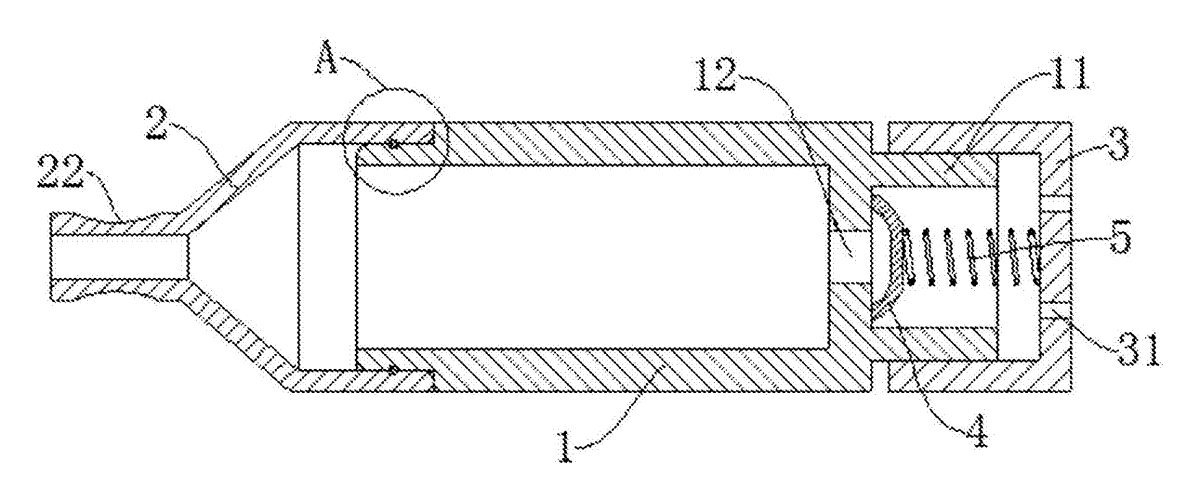
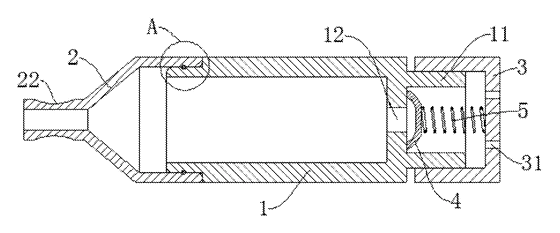
The patent describes a pocket breath exerciser for vocal training built from a few simple parts:
- A tube (1) with a mouthpiece (2) at one end and a screw-on end cap (3) at the other.
- Inside the cap end, the tube has a through-hole (12) on a raised ring boss (11).
- A rubber seal (4), pushed by a spring (5) fixed in the cap, normally closes the hole.
- When the user blows hard enough, the seal lifts off against the spring and air escapes through vents (31) in the cap.
- The mouthpiece slides onto a step (13) on the tube with an O-ring (6) and guide surfaces (14, 21), so it seals well and pulls off for cleaning; a lip groove (22) gives the lips a comfortable seal.
Who it is for
- Music education and vocal-coaching brands selling practice tools.
- Music stores and online sellers of accessories for singers and wind players.
- Choirs, schools and voice teachers who buy practice tools in sets.
How it works
The main parts
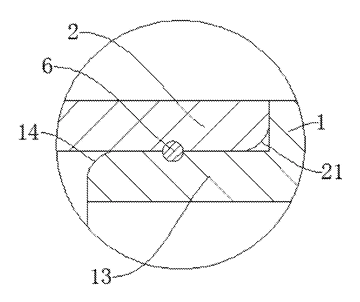
| No. | Part | What it does |
|---|---|---|
| 1 | Tube | Main body. |
| 2 | Mouthpiece | Removable; lip groove (22). |
| 13 | Step | Ring step on the tube end that the mouthpiece slides onto. |
| 6 | O-ring | Seals the mouthpiece joint. |
| 14, 21 | Guide surfaces | Tapered surfaces that make fitting the mouthpiece easy. |
| 11 | Ring boss | Threaded end of the tube that carries the cap. |
| 12 | Through-hole | The air outlet the valve closes. |
| 4 | Rubber seal | Valve that closes the hole. |
| 5 | Spring | Presses the seal shut; sets the opening pressure. |
| 3 | End cap | Screws onto the boss; holds the spring. |
| 31 | Vents | Let the air out of the cap. |
Practicing with it
- Seal the lips around the mouthpiece in the lip groove (22).
- Breathe in, then blow steadily. Below the opening pressure, nothing happens.
- When the breath pressure is high enough, the seal lifts and air flows out through the vents (31).
- Keep the flow going for as long and as evenly as the exercise requires.
- After practice, pull off the mouthpiece and clean it.
Spring strength sets how hard the user must blow. Springs of different strengths can be offered as resistance levels.
Applications
Singing lessons and choirs
Breath-support exercises with a physical resistance to blow against.
Wind and brass players
Warm-up and breath control for students and players.
Public speaking and voice work
Practice for actors, presenters and teachers who use their voices all day.
Music-education kits
A low-cost item for classroom sets and starter kits.
Breath-training accessories
According to the patent, the device is designed for vocal breath exercise; brands that position it for other breathing training must check the rules for that use.
Where it is less suitable
- Medical breathing therapy - respiratory trainers used for treatment are regulated medical devices; this patent is for voice practice.
- Shared use - the mouthpiece should be personal or disinfected between users.
Frequently asked questions
How does it work?
You blow through the mouthpiece against a rubber valve held shut by a spring. Air only escapes when your breath pressure is high enough to lift the valve.
What is it for?
The patent describes it as a breath exerciser for vocal music training - practicing breath support for singing.
Does it improve lung function?
The patent makes no such claim and gives no test results. According to the patent, it is a practice tool for vocal breath control. Any health claim would need evidence and may make the product a regulated medical device.
Can the resistance be changed?
The patent uses one spring. Springs of different strengths can be supplied as resistance levels.
How is it cleaned?
The mouthpiece pulls off the tube for cleaning and disinfecting; an O-ring keeps the joint sealed when it is refitted.
Can it be made in our brand colors?
Yes - colors, printed markings, logo and kits with spare mouthpieces and a case.
Can this design be made and sold in the US?
The patent was filed only in China and has lapsed, so it does not restrict anyone. Other breathing-trainer designs may be patented - see Patent & Production - so we recommend a freedom-to-operate check before volume production.
Are you affiliated with the patent owner?
No. IP2M is an independent design and manufacturing service working from the public patent document.
Request a quote
Click Request a Quote below to see our email address - copy it, or open your email app with a ready-made message. Please mention patent CN207833725U in the subject.
Helpful details to include:
- Your company and sales channel (music education, music retail, Amazon…)
- Positioning - voice practice, wind instruments, other
- Resistance levels and kit contents
- Colors, branding and packaging
- Estimated quantity and target price
- Timeline - when you would like samples and the first shipment
You can also reach us at (332) 203-9997.
Explore this product
Interested in building this?
Tell us your target market, quantity and timeline. We reply with options for prototyping, small-batch runs or volume production.
Send your inquiry to
Please put CN207833725U in the subject line and tell us your company, country, estimated quantity and timeline.
Prefer to talk? Call (332) 203-9997.
More product-ready patents
All Health & Wellness patents →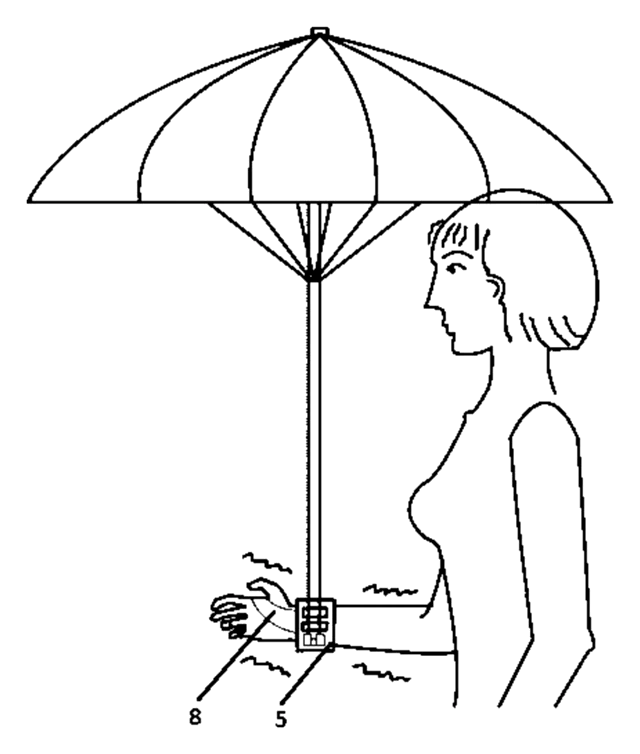
Health & Wellness
Wrist-Mounted Umbrella Stabilizer
Wrist-worn umbrella holder with an anti-shake link; the patent designs it for people with tremor.
Patent CN212545964U
Health & Wellness
Closed-Loop Nasal Rinse Kit with Collection Bottle
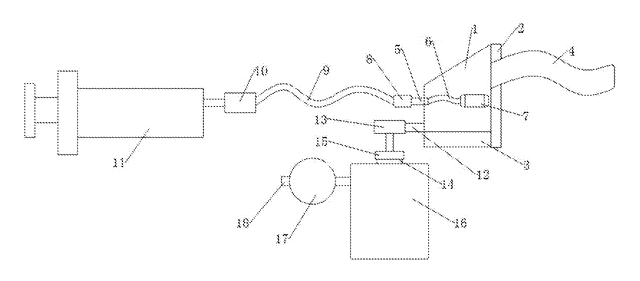
Nasal rinse set: syringe-fed nose plug inside a sealed hood, with used solution drawn into a bottle.
Patent CN208017763U
Health & Wellness
Inflatable Cervical Traction Collar Shaped for a Child's Neck
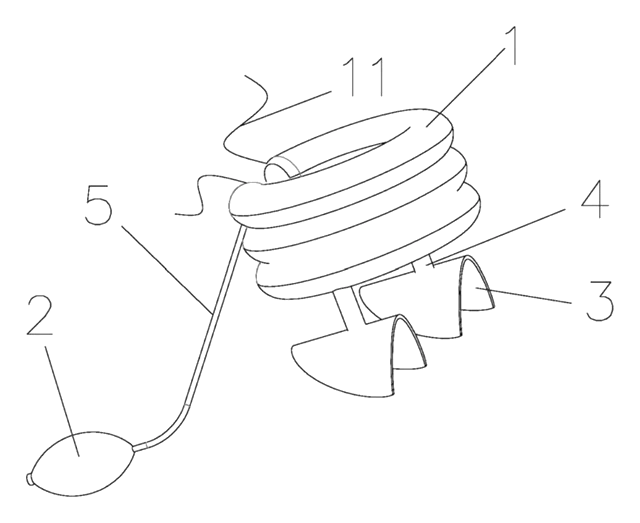
Child-size three-ring air collar on telescoping shoulder struts, inflated with a hand bulb.
Patent CN208958444U
Massage & Wellness
Pneumatic Multi-Directional Neck Traction Collar
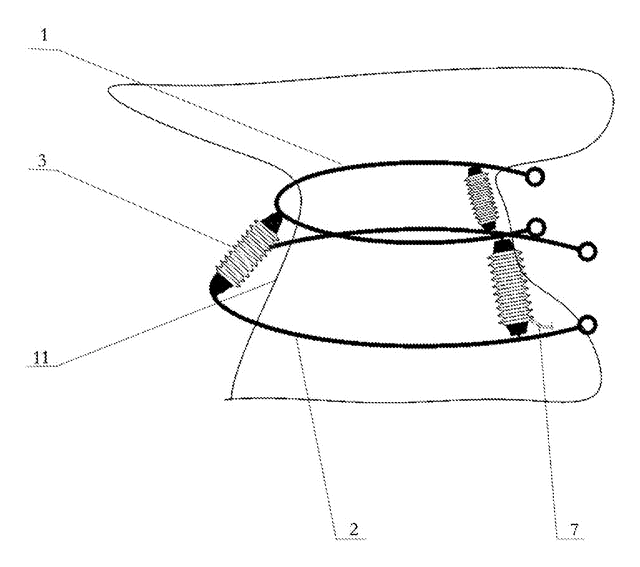
Three-airbag cervical collar that inflates in sequence to guide the head in multiple directions.
Patent CN207202980U
Health & Wellness
Shoulder-Detecting Massage Chair Mechanism with Forked Swing Arms
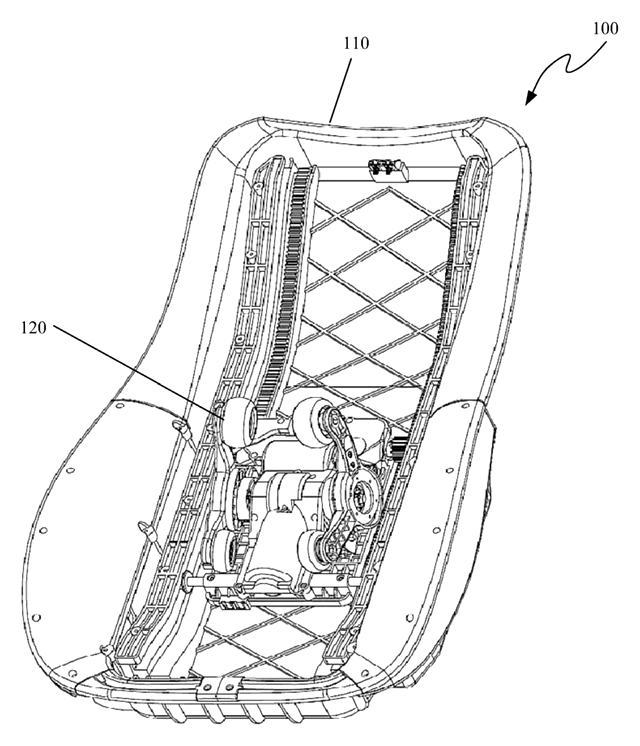
Massage chair core uses forked swing arms and sensors to detect shoulders and adjust the routine.
Patent CN106618998B
Health & Wellness
Switchable Rotation Device for Handheld Massagers
Massage attachment mechanism that switches between locked and free-rotating positions.
Patent CN214968684U
Browse by category
- Apparel & Accessories (22)
- Baby & Kids (16)
- Bags & Luggage (9)
- Bath & Personal Care (16)
- Car Accessories (10)
- Furniture, Bedding & Storage (12)
- Garden & Outdoor (18)
- Health & Wellness (8)
- Home, Kitchen & Cleaning (24)
- Lighting (12)
- Packaging & Containers (6)
- Pet Products (6)
- Phone & Camera Accessories (4)
- Retail Display (13)
- School, Office & Art (19)
- Sports & Recreation (25)
- Tools & Workshop (27)
- Toys & Games (12)
This page is based on the public patent document CN207833725U, assigned to Peng Jie (individual). IP2M is an independent manufacturing service and is not affiliated with, endorsed by or licensed by the patent owner. Images marked as concept renderings are illustrations, not photos of an existing product. Patent status information is provided for reference only and is not legal advice; confirm freedom to operate for your market before production. Full disclaimer.