
Patent CN208017763U
Updated October 23, 2026Closed-Loop Nasal Rinse Kit with Collection Bottle
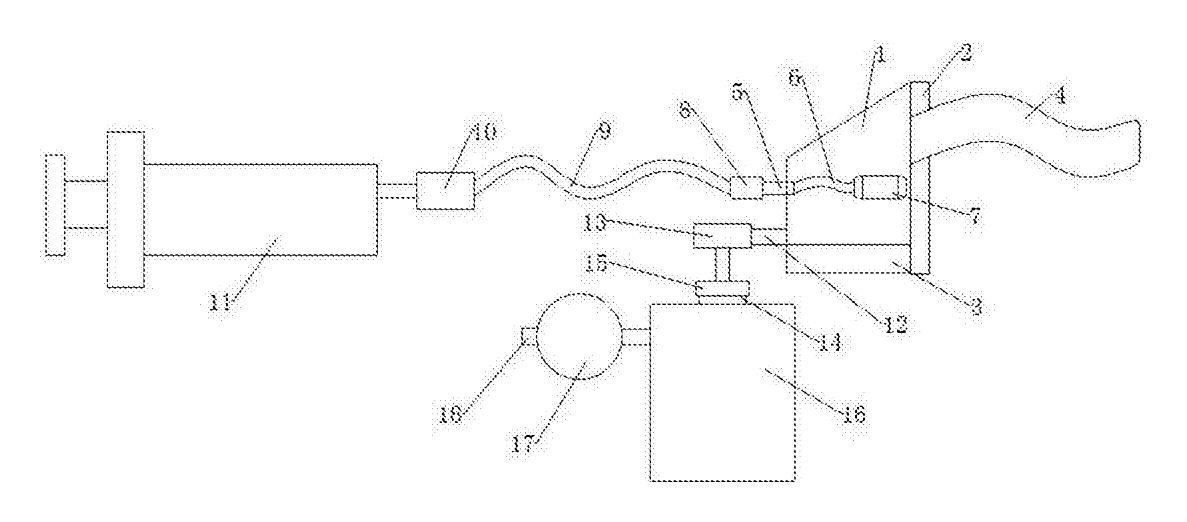
Rinsing the nose with a squeeze bottle or neti pot is messy: the solution runs out of the other nostril, down the face and into the sink. This kit closes the loop. A soft blister hood with a silicone seal sits over the nose, held by an elastic strap. A syringe pushes rinse solution through a hose to a sponge-ball plug in one nostril. The used solution collects in the hood and is drawn off through a second tube into a capped bottle by a squeeze bulb with a one-way valve.
- China utility model - in force in China until Jul 2027 at most
- No filings outside China
- Nasal care
- Soft hood, hoses, syringe, bottle, bulb
Splat! What let you down?
😷
Sealed nose hood
A soft blister hood with a silicone seal and elastic strap covers the nose during rinsing.
💉
Syringe-fed nose plug
A syringe pushes solution through a hose to a sponge-ball plug in the nostril.
🫙
Collects the used solution
A squeeze bulb with a one-way valve draws the used solution into a capped bottle.
🚿
No splashing
A water baffle at the bottom of the hood keeps the solution inside.
Bring this product to market
- ✓ Patent vetted China-only family and legal status checked
- 2 Product brief · now How it works, uses and options written up
- 3 Prototype First samples for buyers to review
- 4 Pilot run Small first batch for launch customers
- 5 Volume production Repeat orders at scale
Buyer interest
– of 100 buyers needed to start prototyping
One click, no sign-up. Each vote is one real visitor, and products with the most interest go to prototyping first.
Build team: no members yet. Need a partner, co-funding or skills to build this? Join and we introduce the team once it forms.
The problem
Nasal rinsing with saline is widely used in nasal care, but the usual tools - squeeze bottles, neti pots and spray devices - send the used solution out of the other nostril and the mouth, onto the face and into the sink. The patent describes conventional nasal cleaning devices as messy and hard to collect from, and says traditional methods can leave the nose uncomfortable. Care settings in particular need a cleaner way to collect the used solution.
The solution
The patent encloses the rinse in a sealed hood and collects the outflow:
- A soft hood (1) - a blister with an air hole on top - goes over the nose. A silicone seal (2) lines its edge and an elastic strap (4) holds it on.
- Inside the hood, a first hose (6) ends in a sponge-ball nose plug (7). An inlet tube (5) through the hood wall connects it, via a second hose (9), to a syringe (11) of rinse solution.
- A water baffle (3) at the bottom of the hood stops the solution from spilling.
- An outlet tube (12) leads from the hood to a capped collection bottle (16).
- A squeeze bulb (17) with a one-way valve (18) creates suction in the bottle, drawing the used solution out of the hood.
According to the patent, the device is designed to keep the rinse solution contained and collected, rather than letting it spread during cleaning.
Who it is for
- Nasal-care and personal-health brands looking for a mess-free rinse system.
- Medical-supply and home-care distributors serving clinics, care homes and caregivers.
- Pharmacy and drugstore private label programs in the nasal-irrigation category.
How it works
The main parts
| No. | Part | What it does |
|---|---|---|
| 1 | Hood | Soft blister over the nose, with an air hole on top. |
| 2 | Silicone seal | Lines the edge of the hood. |
| 3 | Water baffle | Keeps solution inside the hood. |
| 4 | Elastic strap | Holds the hood in place. |
| 5, 6, 7 | Inlet tube, hose, nose plug | Carry the solution into one nostril through a sponge-ball tip. |
| 8-10 | Connectors and second hose | Join the syringe to the inlet tube. |
| 11 | Syringe | Pushes the rinse solution. |
| 12, 13 | Outlet tube and connector | Lead used solution out of the hood. |
| 14-16 | Bottle inlet, cap, bottle | Collect the used solution. |
| 17, 18 | Squeeze bulb and one-way valve | Create suction in the bottle. |
Using it
- Fill the syringe with the rinse solution and connect it.
- Fit the hood over the nose with the strap; the sponge-ball plug sits at the nostril.
- Push the syringe slowly to rinse.
- Squeeze the bulb to draw the used solution from the hood into the bottle.
- Empty and clean the bottle and parts after use.
Applications
Home nasal care
A cleaner way to rinse at home without leaning over a sink.
Care homes and home-care nursing
Caregivers rinsing for someone in a chair or bed, with the used solution collected.
Clinics
Nasal rinsing in treatment rooms where splashing should be avoided.
Travel kits
A sealed system for rinsing in hotel rooms.
Where it is less suitable
- Very young children - hood sizes, flows and any pediatric use must be designed and cleared specifically.
- Medical treatment claims - the product should not be marketed to treat disease unless cleared by the FDA for that use.
Frequently asked questions
How is this different from a squeeze bottle or neti pot?
According to the patent, the rinse happens inside a sealed hood over the nose: a syringe feeds solution through a sponge-ball plug, and the used solution is drawn into a capped bottle instead of running out over the face and into the sink.
What does the squeeze bulb do?
It creates suction in the collection bottle. A one-way valve on the bulb lets air out, so each squeeze draws the used solution from the hood through the outlet tube.
What solution is used?
The patent does not specify a solution. Saline rinses should be made with distilled, sterile or previously boiled water, as the FDA advises; we include this in the instructions.
Can someone else operate it for the user?
Yes - the hood is strapped on and the syringe and bulb are outside, so a caregiver can operate them. This suits care settings.
Is it a medical device?
In the US, nasal irrigation devices are regulated by the FDA. The brand owner confirms the classification and any clearance; we manufacture to the required quality system.
Can the parts be reused?
Hood, bottle and bulb can be designed for cleaning and reuse, with single-use nose tips, or as a fully disposable kit for clinics.
Can this design be made and sold in the US?
The patent was filed only in China, so it does not restrict the design in the US. It is in force in China until July 2027 at most, and making or selling it there needs the owner’s permission. Nasal irrigation devices may be covered by other patents - see Patent & Production - so we recommend a freedom-to-operate check before volume production.
Are you affiliated with the patent owner?
No. IP2M is an independent design and manufacturing service working from the public patent document.
Request a quote
Click Request a Quote below to see our email address - copy it, or open your email app with a ready-made message. Please mention patent CN208017763U in the subject.
Helpful details to include:
- Your company and channel (retail, pharmacy, clinical, home care)
- Regulatory plan (classification, clearance, registration)
- Reusable or disposable design and materials
- Kit contents and packaging
- Estimated quantity and target price
- Timeline - when you would like samples and the first shipment
You can also reach us at (332) 203-9997.
Explore this product
Interested in building this?
Tell us your target market, quantity and timeline. We reply with options for prototyping, small-batch runs or volume production.
Send your inquiry to
Please put CN208017763U in the subject line and tell us your company, country, estimated quantity and timeline.
Prefer to talk? Call (332) 203-9997.
More product-ready patents
All Health & Wellness patents →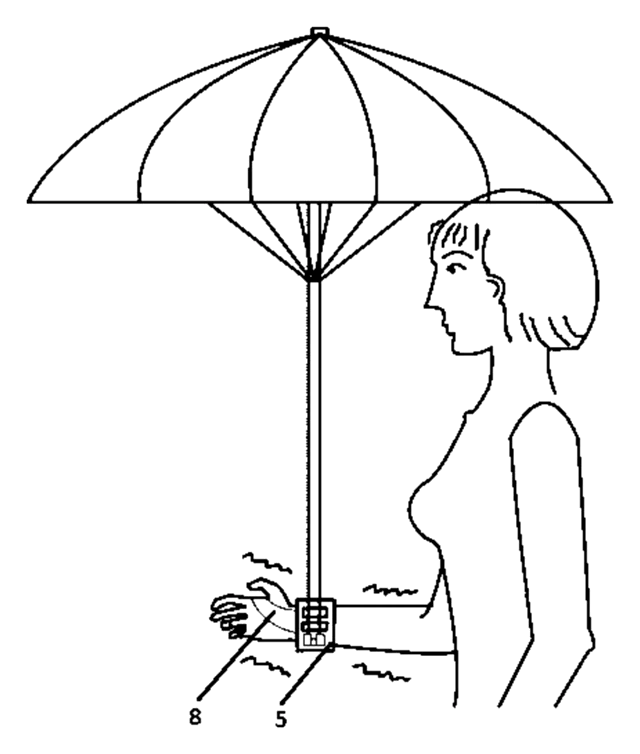
Health & Wellness
Wrist-Mounted Umbrella Stabilizer
Wrist-worn umbrella holder with an anti-shake link; the patent designs it for people with tremor.
Patent CN212545964U
Health & Wellness
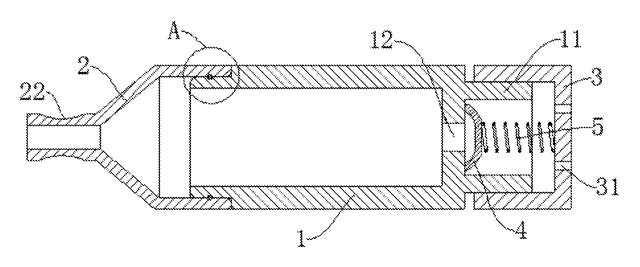
Spring-Valve Breath Trainer for Singers
Pocket breath trainer: blow against a spring-loaded valve to practice breath support for singing.
Patent CN207833725U
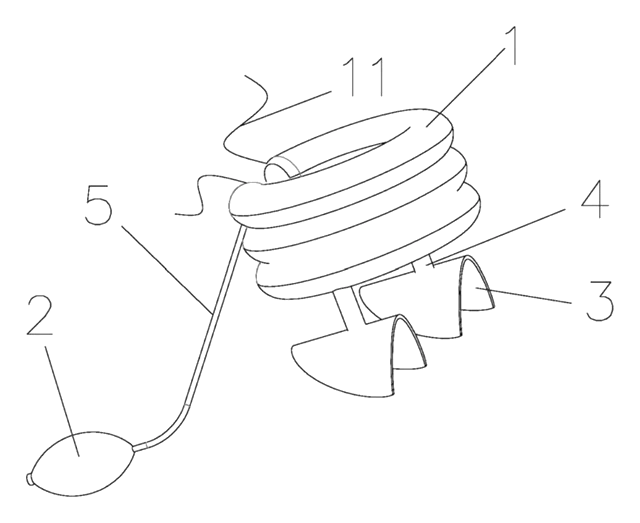
Health & Wellness
Inflatable Cervical Traction Collar Shaped for a Child's Neck
Child-size three-ring air collar on telescoping shoulder struts, inflated with a hand bulb.
Patent CN208958444U
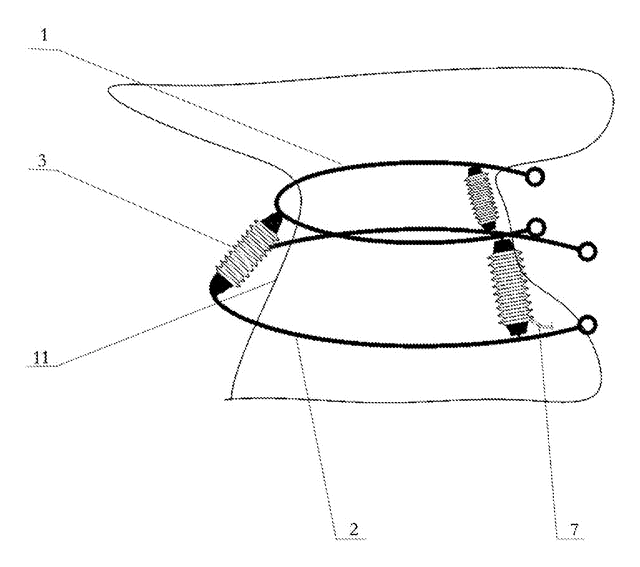
Massage & Wellness
Pneumatic Multi-Directional Neck Traction Collar
Three-airbag cervical collar that inflates in sequence to guide the head in multiple directions.
Patent CN207202980U
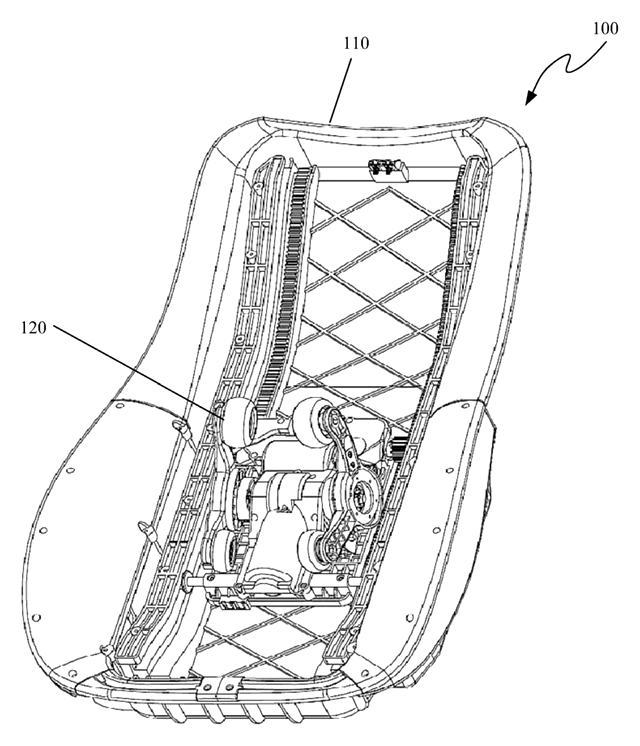
Health & Wellness
Shoulder-Detecting Massage Chair Mechanism with Forked Swing Arms
Massage chair core uses forked swing arms and sensors to detect shoulders and adjust the routine.
Patent CN106618998B
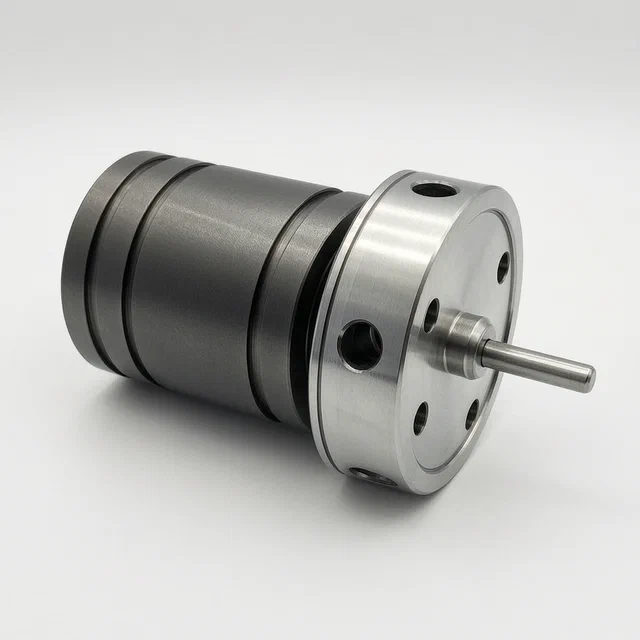
Health & Wellness
Switchable Rotation Device for Handheld Massagers
Massage attachment mechanism that switches between locked and free-rotating positions.
Patent CN214968684U
Browse by category
- Apparel & Accessories (22)
- Baby & Kids (16)
- Bags & Luggage (9)
- Bath & Personal Care (16)
- Car Accessories (10)
- Furniture, Bedding & Storage (12)
- Garden & Outdoor (18)
- Health & Wellness (8)
- Home, Kitchen & Cleaning (24)
- Lighting (12)
- Packaging & Containers (6)
- Pet Products (6)
- Phone & Camera Accessories (4)
- Retail Display (13)
- School, Office & Art (19)
- Sports & Recreation (25)
- Tools & Workshop (27)
- Toys & Games (12)
This page is based on the public patent document CN208017763U, assigned to Xinhai Star Technology (Dalian) Co., Ltd.. IP2M is an independent manufacturing service and is not affiliated with, endorsed by or licensed by the patent owner. Images marked as concept renderings are illustrations, not photos of an existing product. Patent status information is provided for reference only and is not legal advice; confirm freedom to operate for your market before production. Full disclaimer.