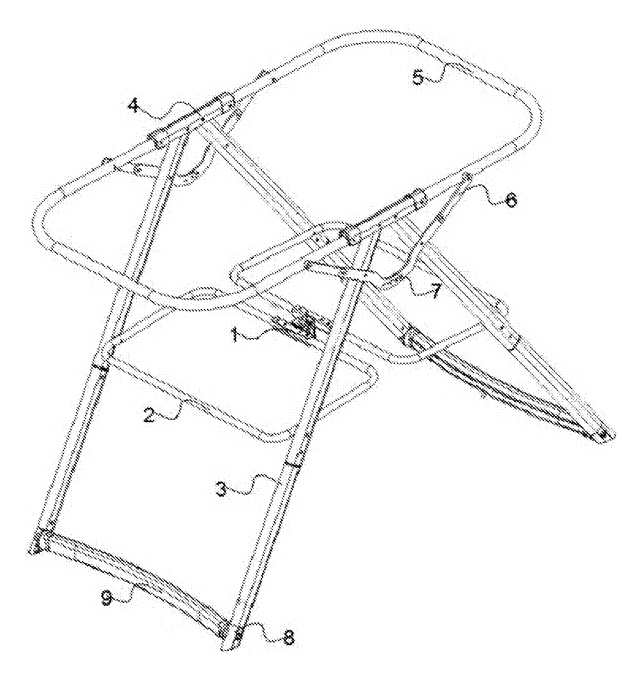
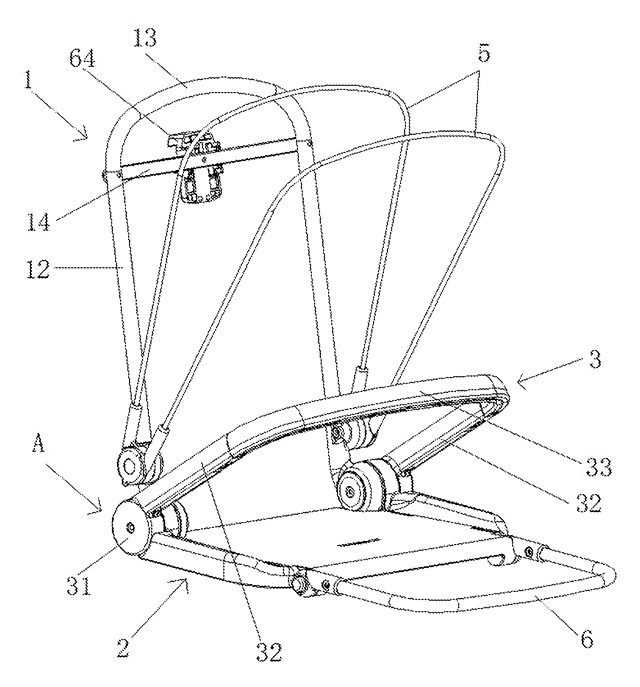
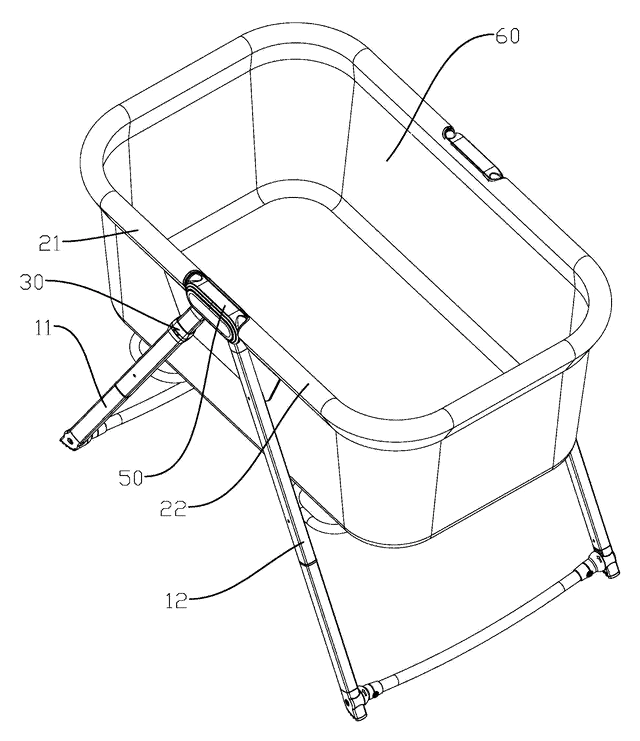
At a glance
| Patent number | CN208119237U (application CN201721909299) |
| Type | China utility model (实用新型) - protects product shape and structure |
| Original title | A kind of rocking chair or trolley of provided with wheels (一种带轮子的摇椅或手推车) |
| Patent owner | Zhongshan City Togyibaby Co Ltd |
| Inventors | Liu Weibing |
| Filing date | 2017-12-30 |
| Grant date | 2018-11-20 |
| Status (China) | In force - valid until at most 2027-12-30, subject to payment of annual fees |
| Patent family | Chinese filings only - no US, European, Japanese, PCT or other filings listed |
| Cited by | 1 later document (US10988158B2 by Titan Medical Inc.) |
| Source | Google Patents (search for CN208119237U) |
What the claims cover, in plain language
Claim 1 defines a rocking chair or trolley with a support frame and wheels. The key feature is an electric driving mechanism on the frame that drives the wheels to rotate back and forth. This mechanism includes a drive motor, a rotating member fixed to the motor shaft, and a driving member (crank) pivoted to the rotating member at an offset. The driving member connects to a swinging member, which pivots to the wheel mounting part. A clutch device is included to engage or disengage the swinging member from the wheel or motor.
Claim 2 details the clutch assembly, including a clutch switch, clutch member, and locking part. The locking part fixes the wheel indirectly, while the clutch member rotates with the swinging member. Engagement allows rocking; separation allows free rolling.
Claims 3-6 describe the housing structure (first and second casings), reinforcement ribs, installation notches for horn assemblies, and battery box integration within the mounting box.
This is a simplified reading for orientation only. The legal scope is defined by the exact claim wording in the official Chinese document.
What this means for US production
This patent was filed only in China and is currently in force there. Making or selling this specific mechanical configuration in China requires the owner’s permission. However, since there are no US patents in this family, the design itself is not restricted by this patent in the United States.
Two points to settle early:
- Other patents may exist. The field of motorized baby gear and adaptive seating is heavily patented. Notably, Titan Medical Inc. holds US patent US10988158B2, which cites this Chinese application. While citation does not imply infringement, it indicates overlapping technology in medical or assistive seating. A freedom-to-operate (FTO) review is essential before launching in the US market.
- Component Sourcing. The motor, gearbox, and clutch components must meet safety standards for children’s products. The integration of batteries into the wheel mount requires careful thermal management and secure casing to prevent access.
Customization and manufacturing
What can be customized
| Area | Options |
|---|---|
| Frame Material | Aluminum alloy, steel tube, or reinforced plastic composites |
| Seat Fabric | Breathable mesh, waterproof nylon, or soft-touch polyester |
| Motor Type | DC brushed or brushless motors for different noise and efficiency profiles |
| Control Interface | Remote control, app-based Bluetooth, or onboard buttons |
| Rocking Range | Adjusted by changing the offset distance of the driving member |
| Clutch Mechanism | Manual lever, electronic solenoid, or push-button engagement |
Things to plan for (US market)
- ASTM F833 - Standard consumer safety specification for strollers and carriages. Critical for any unit marketed as a “trolley” or carrier.
- CPSC 16 CFR 1227 - Safety requirements for strollers. Ensures structural integrity and pinch hazard prevention.
- UN 38.3 - Testing and criteria applicable to lithium-ion batteries transported by air/sea. Required for shipping units with built-in rechargeable packs.
- FCC Part 15 - If wireless controls (Bluetooth/RF) are added, electromagnetic compatibility certification is mandatory.
How a project runs
- Inquiry - Define target age group, weight capacity, and desired features (remote, app, etc.).
- Design - Adapt the linkage geometry for specific rocking amplitude; select motor and battery specs.
- Prototype - Build functional models to test mechanical durability and clutch reliability.
- Pilot Run - Conduct ASTM safety tests and battery certification checks.
- Production - Injection molding for housings, metal fabrication for frames, assembly of drive units.
Quantities & timeline
Tooling for the injection-molded gearboxes and clutch housings typically takes 8-12 weeks. Metal frame dies require 6-8 weeks. Certification testing adds 4-6 weeks. Total lead time from design freeze to first shipment is generally 4-6 months depending on order volume. Send us your specifications, quantity estimates, and target price and we will reply with options.
Patent drawings
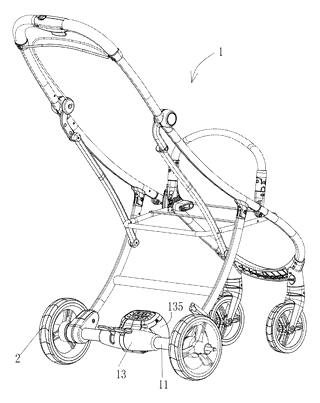
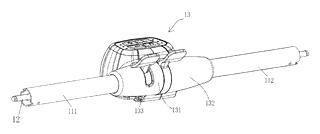
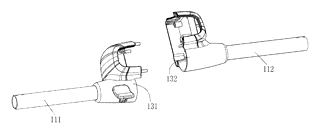
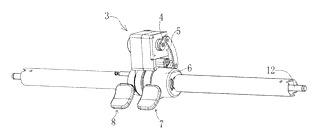
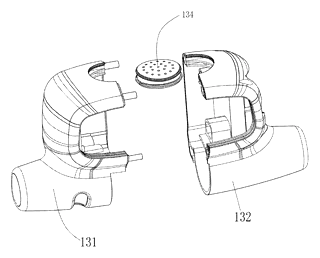
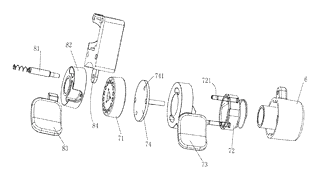
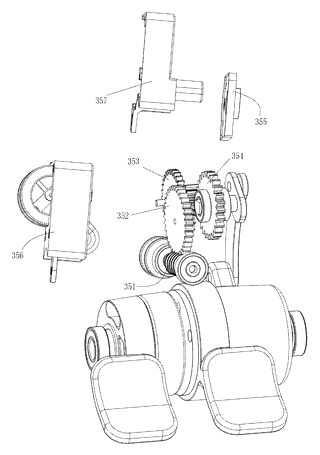
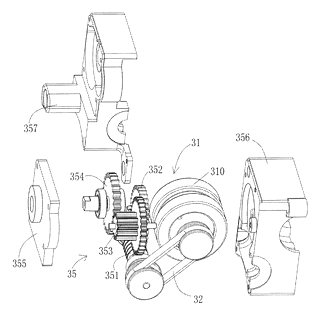
Drawings reproduced from the public patent document for reference.