
Patent CN208755446U
Updated November 7, 2026Seating Furniture with Bamboo Mat Fabric for Cooling
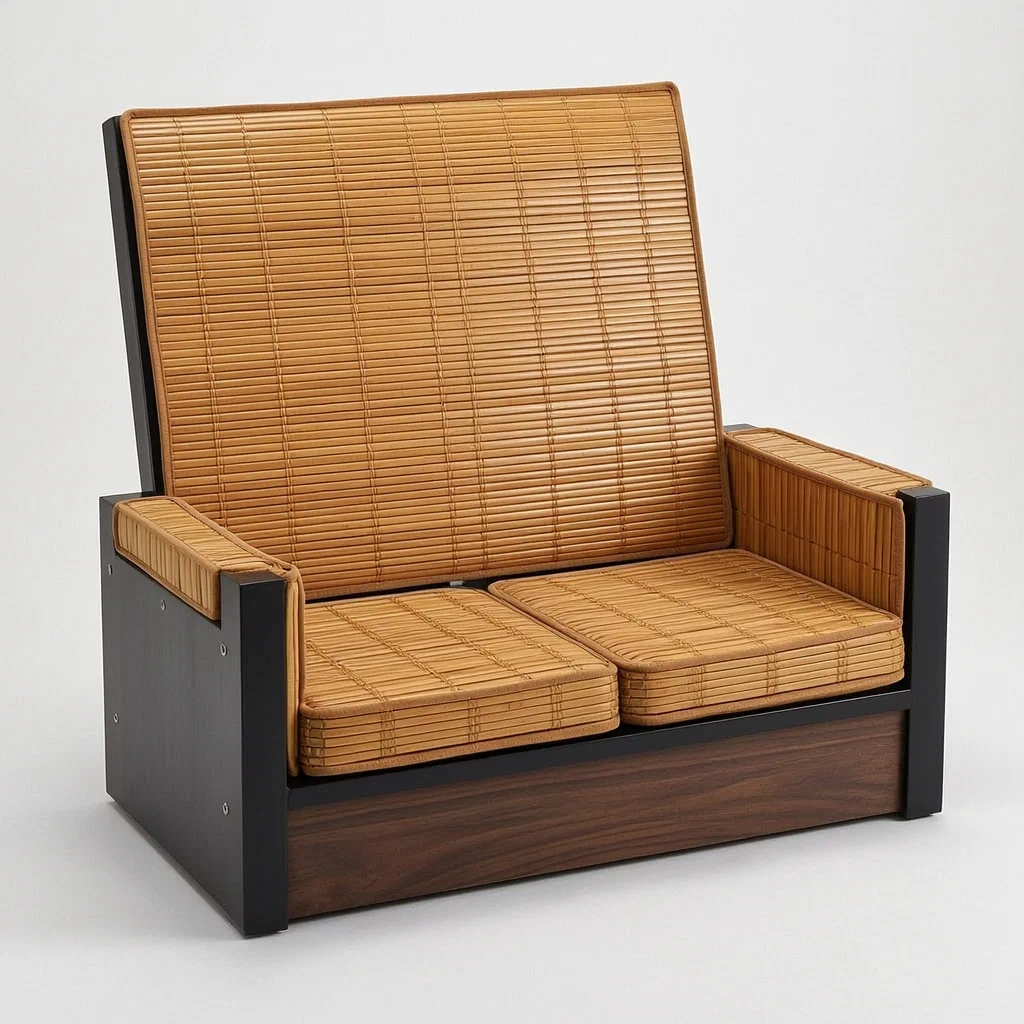
Standard upholstered chairs can trap heat during summer months, making prolonged sitting uncomfortable. This patent describes a seating structure that integrates a bamboo mat fabric directly onto the frame. The fabric uses small lateral bamboo chips linked together, backed by a reinforcing woven layer, and finished with an edge-wrapping extension layer. It allows for modular additions like cushions and armrests, all covered in the same cooling material, with removable inner pads for easy cleaning.
- China utility model - lapsed
- No filings outside China
- Furniture & Home Textiles
- Bamboo chip fabric, reinforced backing, removable pads
Splat! What let you down?
🎋
Bamboo Chip Surface
Backrest covered in lateral bamboo chips connected longitudinally for a cool feel.
🧵
Reinforced Structure
Fabric includes a woven bamboo cane reinforcing layer bonded to the chips.
🪑
Modular Design
Supports optional cushions and armrests, all covered in the same bamboo fabric.
🔒
Removable Pads
Inner cushions attach via zippers, buckles, or velcro for easy removal and cleaning.
Bring this product to market
- ✓ Patent review Patent family and legal status reviewed in the relevant jurisdictions.
- 2 Product brief · now How it works, uses and options written up
- 3 Prototype First samples for buyers to review
- 4 Pilot run Small first batch for launch customers
- 5 Volume production Repeat orders at scale
Buyer interest
– of 100 buyers needed to start prototyping
One click, no sign-up. Each vote is one real visitor, and products with the most interest go to prototyping first.
Build team: no members yet. Need a partner, co-funding or skills to build this? Join and we introduce the team once it forms.
Patent Rights & Team Participation
Before joining a development team, participants should ensure they have the necessary rights or authorization to participate in the project.
Participation is generally appropriate where:
- You own the relevant patent rights or have obtained permission or a license from the rights holder.
- The relevant patent rights have expired or have been legally invalidated in the jurisdictions where the planned activities will take place.
- The planned development, manufacturing, and commercialization activities have been independently assessed and do not infringe applicable patent rights in the relevant jurisdictions.
Important: Being located outside a country where a patent is protected does not automatically exempt you from patent infringement risks. Patent rights may apply based on where development, manufacturing, use, sale, or import activities take place.
IP2M does not grant any patent license or authorization through team participation. Joining a project does not provide permission to use, manufacture, or commercialize patented technology.
The problem
Traditional upholstered chairs often retain heat, causing discomfort during warmer seasons. While add-on bamboo mats exist, they frequently slide out of place, lack structural integration with the chair frame, and offer limited durability at the edges. Users need a seating solution where the cooling surface is built into the furniture structure itself, ensuring stability and consistent contact without the hassle of loose accessories.
The solution
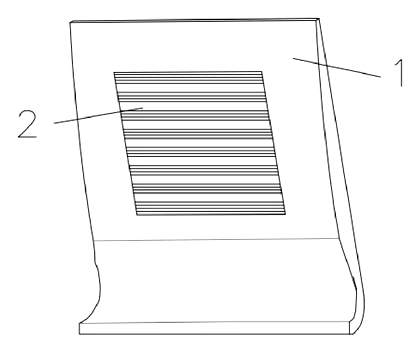
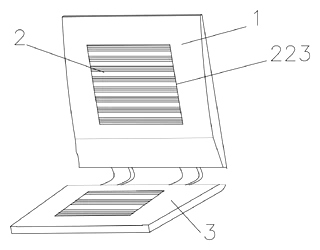
- The core innovation is a backrest (1) whose surface is covered with a bamboo mat fabric (2).
- This fabric consists of lateral bamboo chips sequentially connected in series along the longitudinal height (about 0.5-2 cm per chip).
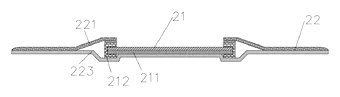
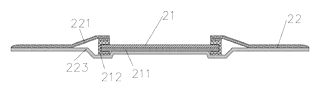
- The fabric has two main layers: a cool seat layer (21) containing the bamboo chips and a reinforcing layer (211) made of woven bamboo cane bonded to the bottom of the chips.
- An extension layer (22) wraps around the sides of the cool seat layer. This extension includes a surface layer (221) at the edge and a bottom layer (222), which are sutured together to enclose the reinforcing layer.
- The entire assembly is fixedly connected to the backrest frame, either by binding (for wooden frames) or by pressing elastic rubber strips into molded grooves (for plastic/molded frames).
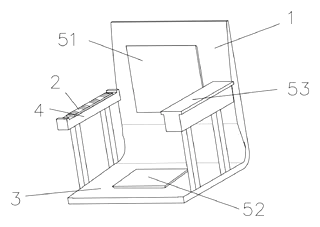
- Optional components include a cushion (3) and handrails (4), both topped with the same bamboo mat fabric (2).
- Removable inner pads (51, 52, 53) can be attached to the backrest, cushion, and handrails using fasteners like zippers, buckles, or velcro.
Who it is for
- Outdoor Furniture Brands: Companies manufacturing patio or garden chairs that need breathable, weather-resistant surfaces that stay cooler than synthetic fabrics.
- Office Chair Manufacturers: Makers looking to differentiate their product line with ergonomic, temperature-regulating seating solutions for summer use.
- Home Decor Retailers: Sellers offering premium home furnishings where natural materials like bamboo appeal to eco-conscious consumers seeking comfort and aesthetics.
- Hospitality Suppliers: Hotels and resorts needing durable, easy-to-clean seating for poolside or lobby areas where guests may sit for extended periods in warm climates.
How it works
The main parts
| No. | Part | What it does |
|---|---|---|
| 1 | Backrest | The primary structural component supporting the user’s back. |
| 2 | Bamboo Mat Fabric | The cooling surface composed of bamboo chips and reinforcing layers. |
| 21 | Cool Seat Layer | Top layer containing the lateral bamboo chips. |
| 211 | Reinforcing Layer | Woven bamboo cane bonded beneath the chips for strength. |
| 212 | Confining Layer | Sutures wrapping the side of the seat layer to hold layers together. |
| 22 | Extension Layer | Wraps around the fabric edges; includes surface (221) and bottom (222) layers. |
| 3 | Cushion | Optional seat pad, also covered in bamboo fabric. |
| 4 | Handrail | Optional armrest, covered in bamboo fabric. |
| 51-53 | Removable Pads | Inner cushions attached via zippers/buckles for comfort and cleaning. |
Assembly and Use
- Frame Preparation: The backrest (1) is manufactured, typically from wood or molded material. If molded, it features circumferential grooves.
- Fabric Construction: Lateral bamboo chips are strung together. A reinforcing woven bamboo cane layer (211) is bonded to their underside. An extension layer (22) wraps around the perimeter, enclosing the reinforcing layer within its sutures (212).
- Attachment: For wooden frames, the fabric is bound tightly to ensure the extension layer holds firm. For molded frames, the extension layer’s edge is pressed into the groove, using elastic rubber strips to create friction and secure fit.
- Adding Accessories: Optional cushions (3) and handrails (4) are prepared with the same bamboo fabric top. Removable pads (51-53) are inserted into pockets formed by the extension layer and secured with zippers or buckles.
- Usage: The user sits on the bamboo-covered surfaces. The natural material provides a cooler touch compared to cloth or leather. The removable pads allow for washing or replacement if the inner foam degrades.
Applications
Patio and Garden Chairs
Outdoor seating faces direct sunlight and high temperatures. The bamboo fabric dissipates heat better than polyester, keeping the chair surface cooler for users relaxing in gardens or patios during summer months.
Office Task Chairs
Workers spend long hours seated, often generating body heat. Integrating bamboo panels into the backrest and seat reduces sweating and discomfort, improving productivity and comfort in non-air-conditioned or warm office environments.
Poolside Loungers
Near pools, humidity and sun make synthetic materials sticky and hot. Bamboo offers a dry, cool texture that dries quickly after splashes, providing a comfortable transition from swimming to resting on lounge furniture.
Hotel Lobby Seating
Guests waiting in hotel lobbies may sit for varying durations. Bamboo-covered chairs provide a distinct aesthetic that signals luxury and nature while maintaining a comfortable temperature regardless of lobby climate control fluctuations.
Where it is less suitable
- High-Impact Industrial Settings: Bamboo chips can crack under heavy mechanical impact or rough handling typical in workshops or warehouses.
- Extreme Cold Climates: In very cold rooms, bamboo feels significantly colder to the touch than padded fabric, potentially causing discomfort unless paired with thick removable pads.
- Complex Curved Frames: The rigid nature of the bamboo chip fabric makes it difficult to conform to highly curved or irregularly shaped backrests without specialized cutting and fitting.
Patent & Production
At a glance
| Patent number | CN208755446U (application CN201820125916) |
| Type | China utility model (实用新型) - protects product shape and structure |
| Original title | Seating furniture with bamboo mat fabric (一种具有竹凉席面料的坐具) |
| Patent owner | Anji Jintai Fastener Co Ltd |
| Inventors | Yu Jinqian |
| Filing date | 2018-01-25 |
| Grant date | 2019-04-19 |
| Status (China) | Lapsed - terminated for non-payment of annual fees (recorded 2023-01-03) |
| Patent family | Public record shows Chinese filings only - no US, European, Japanese, PCT or other filings listed |
| Cited by | 2 later documents |
| Source | Google Patents (search for CN208755446U) |
What the claims cover, in plain language
Claim 1 defines a seating furniture piece comprising a backrest (1) covered with a bamboo mat fabric (2). The fabric consists of lateral bamboo chips connected in series along the longitudinal height (0.5-2 cm). The fabric includes a cool seat layer (21) with the bamboo chips on top and an extension layer (22) wrapped around it. The extension layer is fixedly connected to the backrest.
Claims 2-5 describe variations adding a cushion (3) and handrails (4), both also covered with the bamboo mat fabric (2).
Claims 6-8 introduce removable inner pads (51, 52, 53) for the backrest, cushion, and handrails respectively, attached via fasteners such as zippers, buckles, or velcro.
Claim 9 specifies the internal structure of the cool seat layer (21), which includes a reinforcing layer (211) bonded to the bottom of the bamboo chips, made of woven bamboo cane, and a confining layer (212) that sutures the side of the seat layer.
Claim 10 details the extension layer (22), consisting of a surface layer (221) at the edge and a bottom layer (222) covering the underside, bonded circumferentially, with the cool seat layer sandwiched between them and held by the confining layer.
This is a simplified reading for orientation only. The legal scope is defined by the exact claim wording in the official Chinese document.
What this means for US production
This patent was filed in China and has lapsed, so it no longer restricts anyone in China. The public record shows no US or other foreign counterpart.
Two points to settle early:
- Other patents may exist. Bamboo composite furniture and cooling seat technologies are active fields in the US. A freedom-to-operate (FTO) review is recommended to check for existing US patents covering specific bamboo processing methods or integrated cooling structures before mass production.
- Material sourcing. The quality of bamboo chips and the bonding agents used in the reinforcing layer affect durability. Supply chain verification is needed to ensure consistent material properties.
Customization and manufacturing
What can be customized
| Area | Options |
|---|---|
| Chip Size | Longitudinal height of bamboo chips (typically 0.5-2 cm per patent) |
| Backing Material | Type of woven bamboo cane or alternative reinforcing mesh |
| Fastening Method | Binding straps for wood, rubber strip insertion for molded frames, or adhesive bonding |
| Pad Attachment | Zippers, buckles, or velcro for removable inner cushions |
| Frame Material | Wood, aluminum extrusion, or molded plastic/wood composites |
| Finish | Natural bamboo color, stained, or sealed for moisture resistance |
Things to plan for (US market)
- CPSC Regulations: General safety requirements for furniture, particularly regarding sharp edges or splinters from bamboo chips.
- California Prop 65: Screening for chemicals in adhesives, finishes, and synthetic components of the extension layer.
- Flammability Standards: Upholstery and padding materials must meet relevant flammability standards (e.g., TB 117) depending on the end-use context (residential vs. commercial).
- Moisture Resistance: Treatment of bamboo to prevent mold or warping in humid environments, especially for outdoor use.
How a project runs
- Inquiry - Define frame type, chip dimensions, and attachment method.
- Design - Create CAD models for the frame and fabric layout; select bonding agents.
- Prototype - Build sample frames; test fabric adhesion and durability.
- Pilot Run - Assemble small batch; conduct load and cycle testing.
- Production - Mass manufacture frames; cut and assemble bamboo fabric; install pads.
Quantities & timeline
Tooling depends on the frame material: molds for plastic/composite frames, jigs for metal bending/welding. Bamboo fabric requires precise cutting and stitching stations. Lead times vary based on bamboo supply availability and finishing processes. Send us your frame specs, quantity, and target finish and we will reply with options.
Production notes
Tooling and process
The frame likely requires wood or MDF machining or steel tube bending and welding. The bamboo fabric assembly involves sewing the reinforcing and extension layers together. Bonding the chips to the backing needs controlled pressure and curing time.
Cost drivers
Costs are typically driven by fabric and foam grade for the inner pads, tube diameter and wall thickness for metal frames, and packaging volume due to the bulk of assembled chairs. Labor-intensive sewing and bonding steps also add cost.
Prototyping path
We would typically start with a 3D model and load path check. Build a welded or bolted frame sample to verify dimensions. Test the load test on the frame with the bamboo fabric installed to check for flex or breakage.
What we would change before tooling
We would likely adjust the joint design to ensure the bamboo fabric doesn’t slip. Refine the connector and bracket count to minimize visible hardware. Optimize the surface finish to prevent splintering at chip edges.
Common failure points
Watch for loose joints after repeated load if the frame is weak. Coating chips at edges may occur if the bamboo isn’t properly sealed. Stripped screws in particle board are a risk if mounting points aren’t reinforced.
Patent drawings
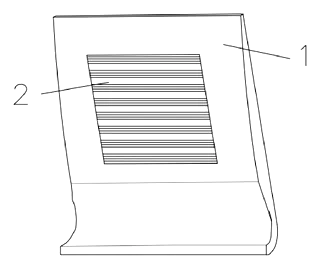
Drawings reproduced from the public patent document for reference.
Frequently asked questions
Is the bamboo fabric actually cooler than regular cloth?
Yes, bamboo has natural thermal properties that help dissipate heat. The patent describes using lateral bamboo chips on the surface, which allows air circulation and provides a cooler touch compared to solid upholstered fabric, especially in warm conditions.
Can the bamboo mat be removed for cleaning?
The outer bamboo fabric layer is fixed to the frame. However, the design includes removable inner pads (back cushions) that attach via zippers, buckles, or velcro. These pads can be taken off and cleaned, protecting the underlying structure.
How durable is the bamboo chip surface?
Durability depends on the bonding method and the quality of the bamboo. The patent includes a reinforcing layer of woven bamboo cane bonded to the chips to add strength. Proper sealing against moisture is essential to prevent cracking or warping over time.
Does it work with any chair frame?
The design accommodates different frame types. For wooden frames, the fabric is bound to the structure. For molded plastic or composite frames, the fabric edge is pressed into circumferential grooves using elastic strips. Metal frames would require custom attachment brackets.
What sizes are available?
The patent specifies bamboo chip heights of about 0.5-2 cm. Overall chair dimensions depend on the frame design you choose. We can customize the size of the backrest, cushion, and armrests to fit your specific furniture line.
Is it safe for outdoor use?
It can be used outdoors if treated properly. Bamboo is susceptible to moisture and UV damage. We recommend applying a protective sealant to the chips and using weather-resistant adhesives and backing materials to extend lifespan in outdoor environments.
Can this design be made and sold in the US?
The patent was filed in China and has lapsed, and the public record shows no US counterpart, so it does not restrict the design in the US or in China. However, other patents may exist in the field of bamboo furniture or cooling seats, so we recommend a freedom-to-operate check before volume production.
Are you affiliated with the patent owner?
No. IP2M is an independent design and manufacturing service working from the public patent document.
Request a quote
Click Request a Quote below to see our email address - copy it, or open your email app with a ready-made message. Please mention patent CN208755446U in the subject.
Helpful details to include:
- Your company and channel (outdoor brand, office furniture maker, hospitality supplier)
- Frame material preference (wood, metal, plastic)
- Dimensions for backrest, seat, and armrests
- Attachment method (binding, groove insertion, or adhesive)
- Estimated quantity and target price
- Timeline - when you would like samples and the first shipment
You can also reach us at (332) 203-9997.
Page editor: Emily Zhang, Product Editor · IP2M
Last updated November 7, 2026. If something on this page looks wrong, email [email protected] and we will check it against the patent.
Interested in building this?
Tell us your target market, quantity and timeline. We reply with options for prototyping, small-batch runs or volume production.
Send your inquiry to
Please put CN208755446U in the subject line and tell us your company, country, estimated quantity and timeline.
Prefer to talk? Call (332) 203-9997.
More product-ready patents
All Furniture, Bedding & Storage patents →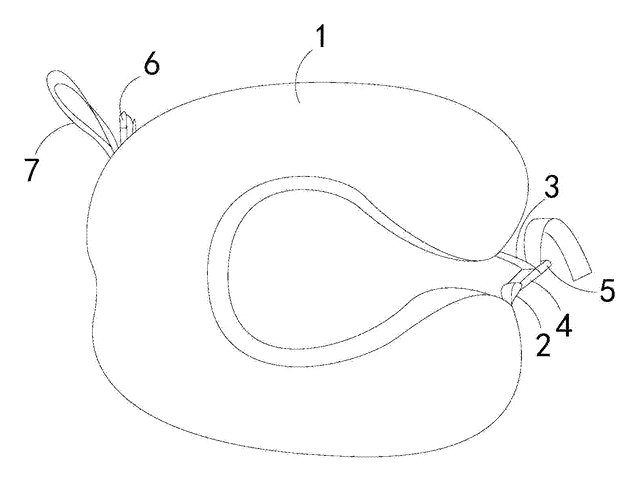
Furniture, Bedding & Storage
Roll-Up Travel Neck Pillow with Buckles
U-shaped travel pillow with a front buckle and a back buckle that holds it rolled up for carrying.
Patent CN206543091U
Furniture, Bedding & Storage
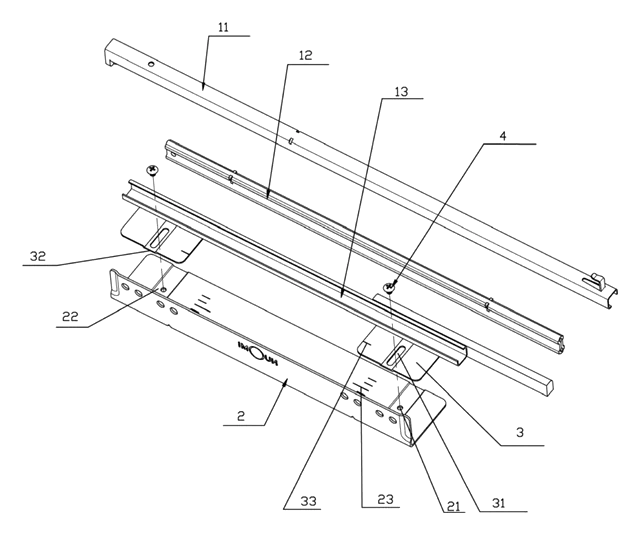
Width-Adjustable Slide Rail for Pull-Out Baskets
Basket slide rail on a slotted, scaled adjusting plate, so one pull-out basket fits several cabinet widths.
Patent CN208909382U
Furniture, Bedding & Storage
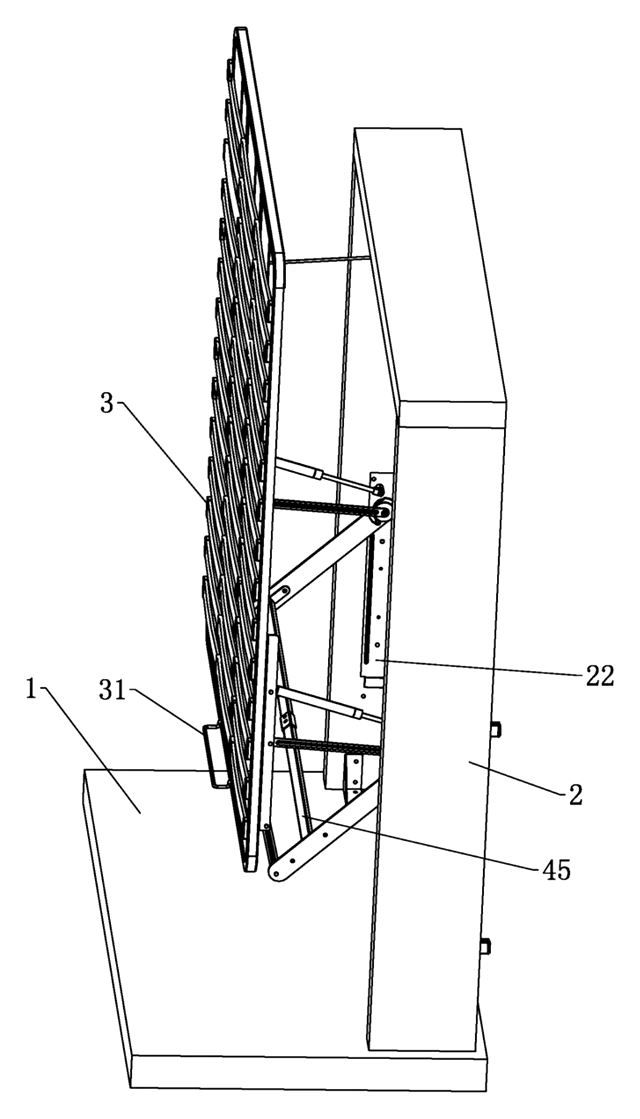
Lift-Up Storage Bed with Four-Bar Linkage That Slides the Deck Away from the Headboard
Storage bed deck that rises on four-bar linkages and gas springs, clearing the headboard as it opens.
Patent CN210870645U
Furniture, Bedding & Storage
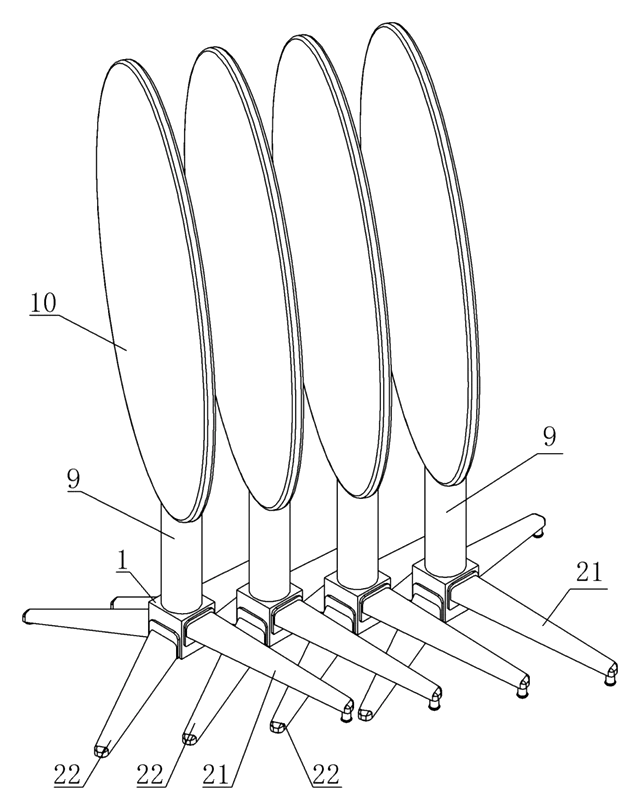
Self-Leveling, Nesting Table Base with a Torsion-Ring Leg Hub
Four-leg base that self-levels through a torsion-ring hub and nests sideways with flip-top tables.
Patent CN211483640U
Furniture, Bedding & Storage
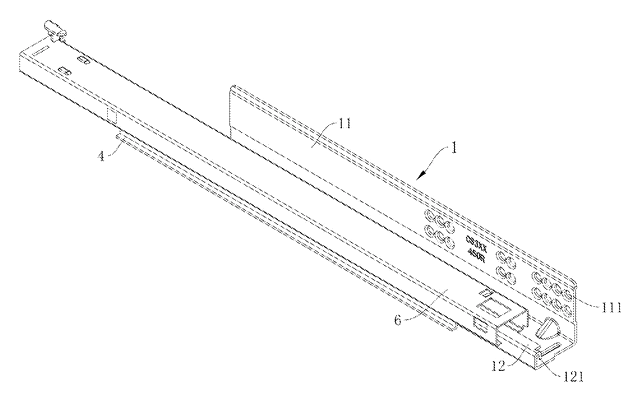
Rack-and-Pinion Synchronized Drawer Slide with a Folded-In Fixed Rail
Full-extension drawer slide: a pinion between two racks keeps the rails moving in step.
Patent CN206314843U
Furniture & Bedding
Dual-Zone Split-Spring Mattress with Removable Fabric Cover
Half-pocket, half-standard spring mattress sharing one base plate, with a removable cover.
Patent CN208355064U
Browse by category
- Apparel & Accessories (49)
- Baby & Kids (29)
- Bags & Luggage (17)
- Bath & Personal Care (32)
- Car Accessories (25)
- Furniture, Bedding & Storage (25)
- Garden & Outdoor (34)
- Health & Wellness (14)
- Home, Kitchen & Cleaning (51)
- Lighting (23)
- Packaging & Containers (12)
- Pet Products (12)
- Phone & Camera Accessories (9)
- Retail Display (25)
- School, Office & Art (37)
- Sports & Recreation (47)
- Tools & Workshop (55)
- Toys & Games (23)
This page is based on the public patent document CN208755446U, assigned to Anji Jintai Fastener Co Ltd. IP2M is an independent manufacturing service and is not affiliated with, endorsed by or licensed by the patent owner. Images marked as concept renderings are illustrations, not photos of an existing product. Patent status information is provided for reference only and is not legal advice; confirm freedom to operate for your market before production. Full disclaimer.