
Patent CN210076790U
Updated November 2, 2026Trolley Case with Integrated Child Seat and Side Steps
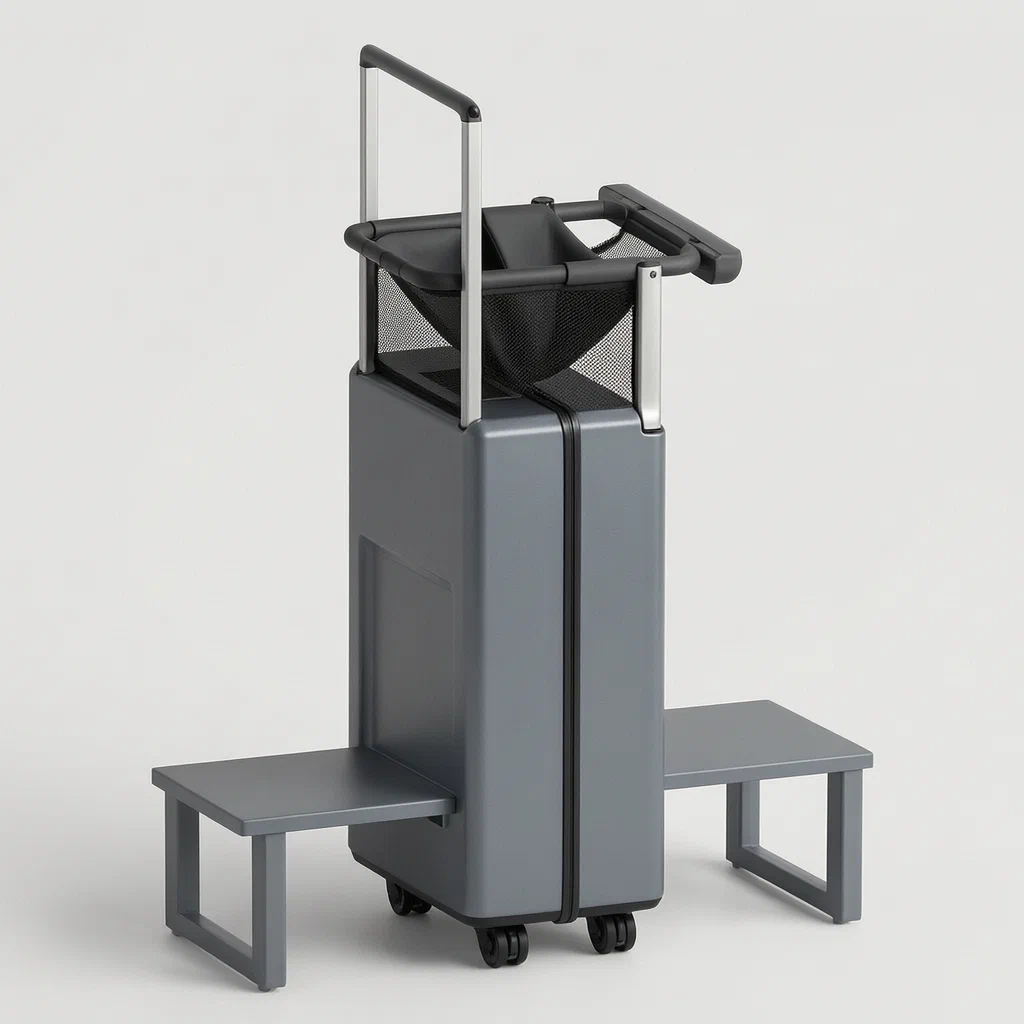
Standard suitcases leave traveling toddlers with nowhere to sit but the floor or a crowded terminal bench. This design transforms the luggage itself into a mobile seat. By unfolding the top panel, a dedicated child seat emerges above the box height, oriented to face the pull rod. The child can grip the horizontal crossbar of the handle, maintaining balance as the parent moves the load. Side panels deploy to create footrests, preventing leg fatigue and keeping the child securely positioned within the center of gravity of the moving unit.
- China utility model - lapsed
- No filings outside China
- Travel & Luggage
- Aluminum alloy tubes, canvas cushion pocket, folding hinges
Splat! What let you down?
🧸
Integrated Child Seat
Top panel unfolds to create a seat higher than the box body, facing the pull handle.
🦶
Side Footrests
Seat plates open from both sides of the case to support the child's legs and prevent dangling.
✋
Handle Access
Child faces the pull rod to hold the crossbar, improving stability during movement.
🔒
Locking Mechanisms
Vertical rods lock into the box; safety nets and frames secure the seating area.
Bring this product to market
- ✓ Patent vetted China-only family and legal status checked
- 2 Product brief · now How it works, uses and options written up
- 3 Prototype First samples for buyers to review
- 4 Pilot run Small first batch for launch customers
- 5 Volume production Repeat orders at scale
Buyer interest
– of 100 buyers needed to start prototyping
One click, no sign-up. Each vote is one real visitor, and products with the most interest go to prototyping first.
Build team: no members yet. Need a partner, co-funding or skills to build this? Join and we introduce the team once it forms.
The problem
Traveling with young children often requires managing multiple items: a suitcase, a diaper bag, and sometimes a separate stroller or carrier. When airports or train stations become crowded, finding a place for a tired toddler to sit without placing them on unsanitary floors is difficult. Standard suitcases are not designed to be seats; their tops are flat and low, causing discomfort if a child tries to sit there, and offering no way for the child to stabilize themselves while being pulled. Furthermore, when a child sits on a standard suitcase, their legs dangle, leading to circulation issues and instability, especially when navigating turns or uneven surfaces. There is a need for luggage that doubles as a safe, stable transport seat for a small child, keeping the child visible and secured close to the parent.
The solution
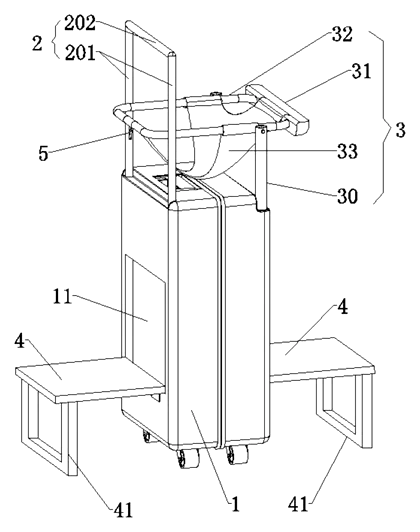
- A box body (1) serves as the main storage compartment, equipped with a standard telescopic pull rod (2) at one end.
- The top surface of the opposite side of the box body (1) is hinged to unfold, revealing a child seat (3).
- The bottom of this child seat (3) is positioned higher than the top of the box body (1), ensuring the child sits elevated and comfortable.
- The front of the child seat (3) faces directly towards the pull rod (2). This orientation allows the seated child to reach forward and hold the horizontal crossbar (202) of the pull rod.
- Two seat plates (4) are installed in storage grooves (11) on the sides of the box body (1). These plates unfold outward via hinges to act as footrests or side supports.
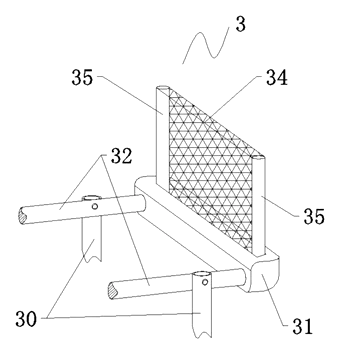
- The child seat assembly includes a backrest cross bar (31), a fence frame (32), and blocking rods (35) with a blocking net (34) to prevent the child from falling backward or sideways.
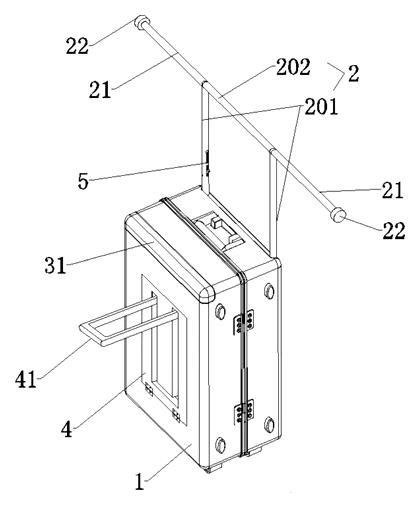
- Hanging rods (21) are attached to the ends of the pull rod’s horizontal crossbar (202), providing additional handholds or attachment points.
Who it is for
- Family Travel Brands: Companies looking to expand their luggage lines with functional designs for parents of toddlers (ages 1-4).
- Airport Retailers: Stores targeting last-minute travelers who need immediate solutions for transporting restless children through terminals.
- Amazon Sellers: E-commerce merchants focusing on niche parenting gadgets where space-saving multi-functionality drives sales.
- Wholesale Distributors: Buyers seeking differentiated products in the saturated luggage market that offer clear visual benefits in demo videos.
How it works
The main parts
| No. | Part | What it does |
|---|---|---|
| 1 | Box Body | Main suitcase structure with storage capacity. |
| 2 | Pull Rod | Telescopic handle; includes horizontal crossbar (202) and hanging rods (21). |
| 3 | Child Seat | Fold-out seating area located above the box body. |
| 4 | Seat Plates | Hinged panels on the sides of the box that unfold to support feet/legs. |
| 30 | Seat Vertical Rods | Support posts for the seat, insertable into the box and locked by pins (36). |
| 31 | Backrest Cross Bar | Upper frame component behind the child. |
| 32 | Fence Frame | Rotatable frame connecting the vertical rods, holding the cushion. |
| 33 | Seat Cushion Pocket | Canvas pouch containing padding, attached via Velcro. |
| 34 | Blocking Net | Safety mesh between blocking rods (35) to prevent falls. |
| 35 | Blocking Rods | Aluminum tubes that swing out to form the safety barrier. |
| 5 | Locking Support Mechanism | Connects the fence frame to the pull rod for rigidity. |
Operating Steps
- Deploy the Pull Rod: Extend the telescopic handle (2) to the desired height. Ensure the hanging rods (21) are accessible.
- Unfold the Top Panel: Release the latch on the top of the box body (1) to expose the child seat (3).
- Secure the Seat Structure: Insert the seat vertical rods (30) into the designated holes on the box top. Lock them in place using locking pins (36). Rotate the fence frame (32) into position.
- Attach Safety Bars: Swing out the blocking rods (35) from the backrest cross bar (31). Install the blocking net (34) between them if needed for added security.
- Open Side Plates: Unfold the seat plates (4) from the side storage grooves (11). These serve as footrests or lateral supports.
- Position the Child: Place the child on the elevated seat (3), facing the pull rod. The child grips the horizontal crossbar (202) or hanging rods (21).
- Move: The parent pulls the suitcase. The child remains stable due to the forward-facing grip and side foot support.
Applications
Airport Transfers
Parents navigate long walking distances in terminals. The child rides on the suitcase, avoiding the need to carry a tired toddler. The side footrests prevent leg numbness during extended periods of sitting.
Train Station Waiting
While waiting for platforms, the child sits comfortably on the luggage rather than on cold benches. The forward-facing orientation keeps the child within the parent’s direct line of sight, enhancing security in crowded spaces.
Family Road Trips
In rest areas or gas stations, the suitcase becomes an instant chair for the child. The compact folded design fits easily into car trunks alongside other luggage, saving space compared to bringing a separate stroller.
Shopping Centers
Parents pushing carts or carrying bags can use the suitcase as a mobile seat for the child. The sturdy aluminum alloy frame supports the weight, allowing the child to hop off quickly when entering stores.
Where it is less suitable
- Heavy Cargo Loads: If the suitcase is filled to maximum weight capacity, the structural integrity for supporting a child plus luggage may require careful design verification.
- Rough Terrain: Like all wheeled luggage, performance depends on wheel quality; gravel or cobblestones may cause excessive jarring for the seated child.
- Older Children: Designed for small toddlers; older or heavier children may exceed the intended ergonomic fit for the seat dimensions described in the patent.
Frequently asked questions
Is this suitcase safe for my child?
The patent describes a structure with locking pins, side support plates, and a blocking net to keep the child positioned on the seat. Stability is enhanced because the child faces the handle and can hold the crossbar. However, actual safety depends on the manufacturing quality of materials and adherence to current consumer product safety standards, which are not specified in the patent text.
What is the weight limit for the child?
The patent does not specify a maximum weight limit. Designers typically set this based on the strength of the aluminum alloy tubes and the durability of the locking mechanisms. You should confirm the load rating through physical testing during the prototype phase.
Can I still use it as normal luggage?
Yes. The child seat components unfold from the top and sides. When folded down, they integrate into the box body structure. The pull rod functions as a standard telescopic handle for pulling the suitcase when the child is not riding.
What materials are used for the frame?
According to Claim 5, the trolley, seat vertical bars, backrest, fence frame, and blocking rods are made of aluminum alloy tubes. The cushion pocket is described as canvas in Claim 6.
How does the child stay secure?
The seat is positioned higher than the box body. The child sits facing the pull rod, allowing them to hold the horizontal crossbar. Side plates unfold to provide foot support, preventing legs from dangling. Optional blocking rods and nets can be installed to prevent falling backward.
Is the seat comfortable?
The patent mentions a seat cushion pocket (33) mounted on the fence frame. Comfort levels depend on the padding material chosen during production, as the patent does not define foam density or thickness.
Can this design be made and sold in the US?
The patent CN210076790U was filed only in China and has lapsed due to non-payment of annual fees. It does not restrict production or sales in the US. However, you must conduct a freedom-to-operate review to ensure no other active US patents cover similar “rider luggage” features.
Are you affiliated with the patent owner?
No. IP2M is an independent design and manufacturing service working from the public patent document.
Request a quote
Click Request a Quote below to see our email address - copy it, or open your email app with a ready-made message. Please mention patent CN210076790U in the subject.
Helpful details to include:
- Your company and channel (luggage brand, family goods retailer, Amazon seller)
- Target child age/weight range
- Luggage size preference (e.g., 20-inch carry-on)
- Material preferences (shell type, aluminum grade, fabric)
- Estimated quantity and target price
- Timeline - when you would like samples and the first shipment
You can also reach us at (332) 203-9997.
Explore this product
Interested in building this?
Tell us your target market, quantity and timeline. We reply with options for prototyping, small-batch runs or volume production.
Send your inquiry to
Please put CN210076790U in the subject line and tell us your company, country, estimated quantity and timeline.
Prefer to talk? Call (332) 203-9997.
More product-ready patents
All Bags & Luggage patents →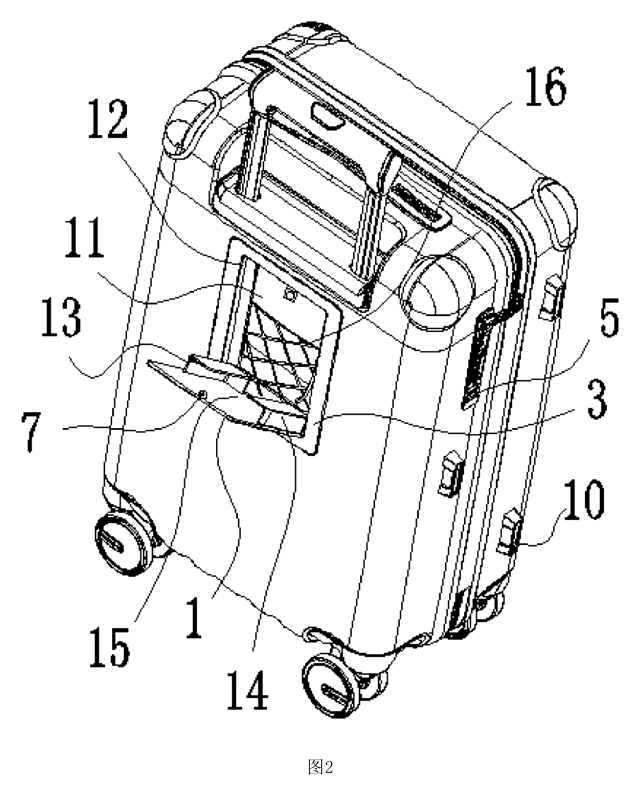
Bags & Luggage
Quick-Access Luggage with Fold-Down Back Compartment
Hard-shell suitcase with a fold-down compartment in the back panel for phone, passport and power bank - no need to open the case.
Patent CN210076793U
Bags & Luggage
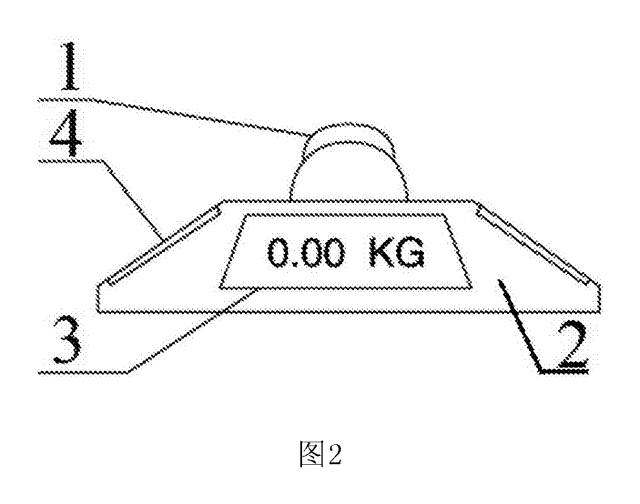
Luggage Handle with Built-In Scale
Suitcase carry handle with a built-in weighing sensor and display - lift the bag and read its weight.
Patent CN206670777U
Bags & Luggage
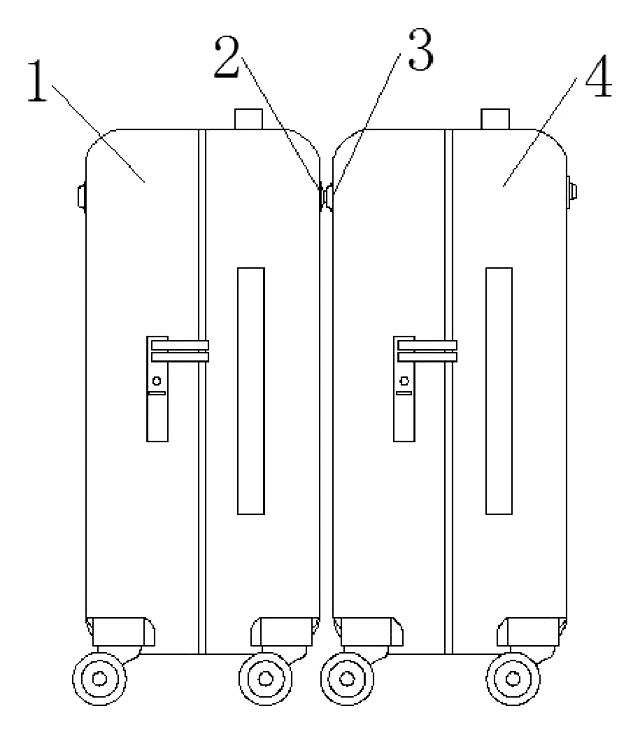
Snap-Together Luggage Connector
Stud-and-socket snap built into suitcases so two cases lock together and roll with one hand.
Patent CN209862619U
Bags & Luggage
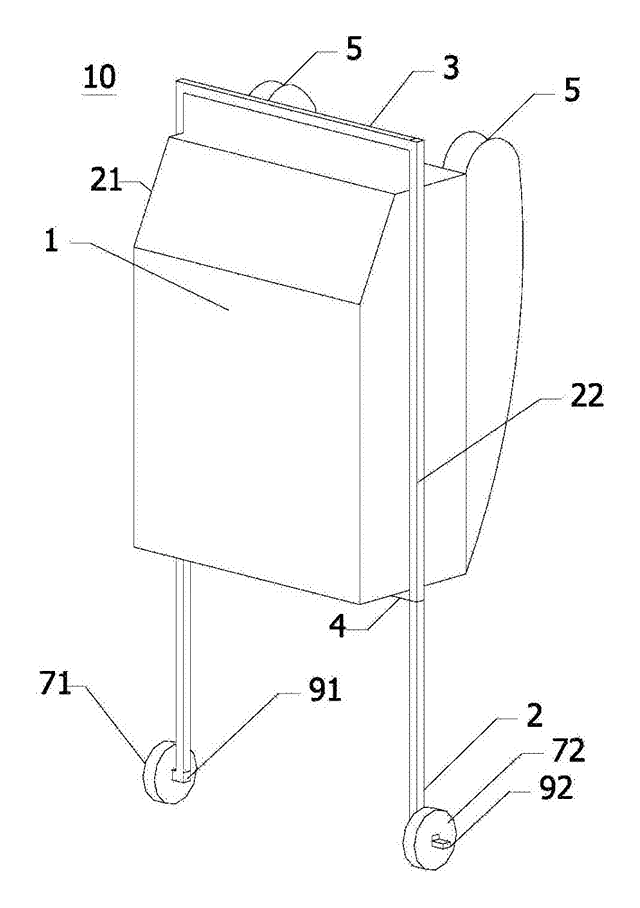
Side-Rail Rolling Backpack with Raised Wheels
Rolling backpack with pull rails on the sides, not the back, and rails that lower the wheels.
Patent CN207733803U
Bags & Luggage
Backpack with Removable Body-Shaped Inner Frame
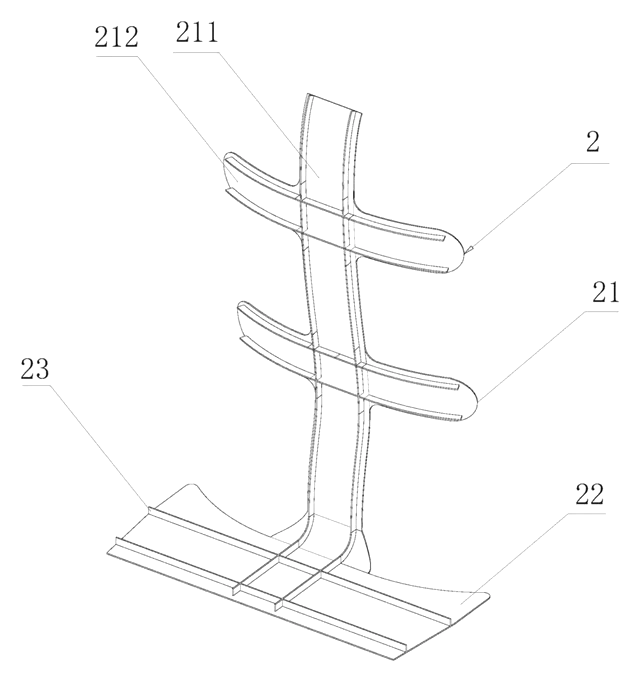
Backpack with a lift-out inner frame shaped to the back that spreads the load to the back and hips.
Patent CN216534262U
Bags & Luggage
Hard-Shell Luggage Case with a Built-In Lift Table
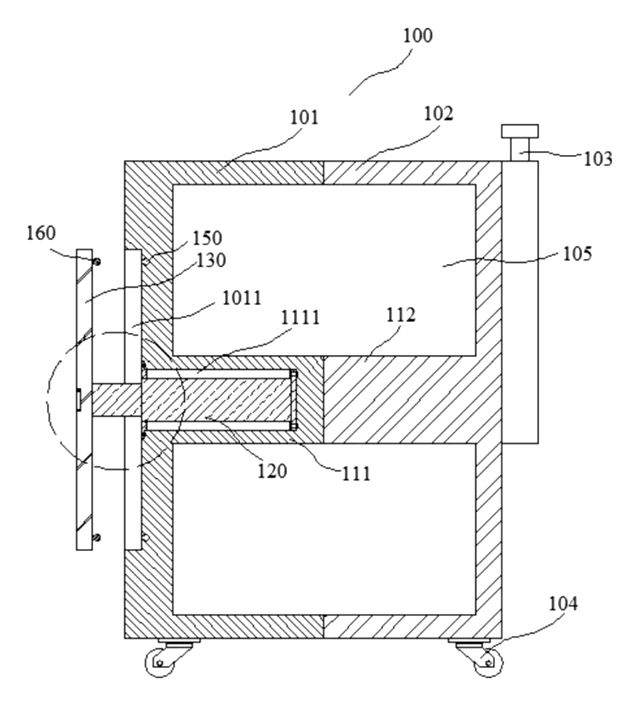
Hard-shell luggage with a telescopic rod and desktop that rises from the lid.
Patent CN107485137B
Browse by category
- Apparel & Accessories (30)
- Baby & Kids (20)
- Bags & Luggage (13)
- Bath & Personal Care (21)
- Car Accessories (16)
- Furniture, Bedding & Storage (15)
- Garden & Outdoor (21)
- Health & Wellness (10)
- Home, Kitchen & Cleaning (32)
- Lighting (16)
- Packaging & Containers (8)
- Pet Products (7)
- Phone & Camera Accessories (6)
- Retail Display (17)
- School, Office & Art (24)
- Sports & Recreation (31)
- Tools & Workshop (36)
- Toys & Games (16)
This page is based on the public patent document CN210076790U, assigned to Fujian University of Technology. IP2M is an independent manufacturing service and is not affiliated with, endorsed by or licensed by the patent owner. Images marked as concept renderings are illustrations, not photos of an existing product. Patent status information is provided for reference only and is not legal advice; confirm freedom to operate for your market before production. Full disclaimer.