
Patent CN210540477U
Updated October 23, 2026Metal Kettle with Magnetic Lid That Stays On When Pouring
Pour with one hand and the lid stays on. Small magnets set into the underside of the lid rim hold it to the kettle's metal collar, so the lid can stay a loose, easy fit but will not tip off when the kettle is tilted. A hollow, vented knob on insulating spacers stays cooler to the touch and unscrews for replacement.
- China utility model - lapsed
- No filings outside China
- Kitchen & tableware
- Metal + magnets, no electronics
Splat! What let you down?
🧲
Magnet-held lid
Magnets in the lid rim hold it to the kettle collar - no need to press the lid while pouring.
🫖
Easy, loose fit
The lid can stay a simple loose fit, which is cheaper to make and easy to lift off.
🔺
Three-point seating
Three evenly spaced magnets make the lid sit level and steady.
🌡️
Cooler lid knob
A hollow, vented ball knob on insulating sleeves and spacers stays cooler and unscrews for replacement.
Bring this product to market
- ✓ Patent vetted China-only family and legal status checked
- 2 Product brief · now How it works, uses and options written up
- 3 Prototype First samples for buyers to review
- 4 Pilot run Small first batch for launch customers
- 5 Volume production Repeat orders at scale
Buyer interest
– of 100 buyers needed to start prototyping
One click, no sign-up. Each vote is one real visitor, and products with the most interest go to prototyping first.
Build team: no members yet. Need a partner, co-funding or skills to build this? Join and we introduce the team once it forms.
The problem
On a metal teapot or kettle, the lid is a separate piece. If it fits tightly, it is expensive to machine and hard to lift off. If it fits loosely - the usual choice - it falls off when the kettle is tipped to pour. So people pour with one hand and hold the hot lid down with the other, and dropped lids get dented or break other dishes.
The solution
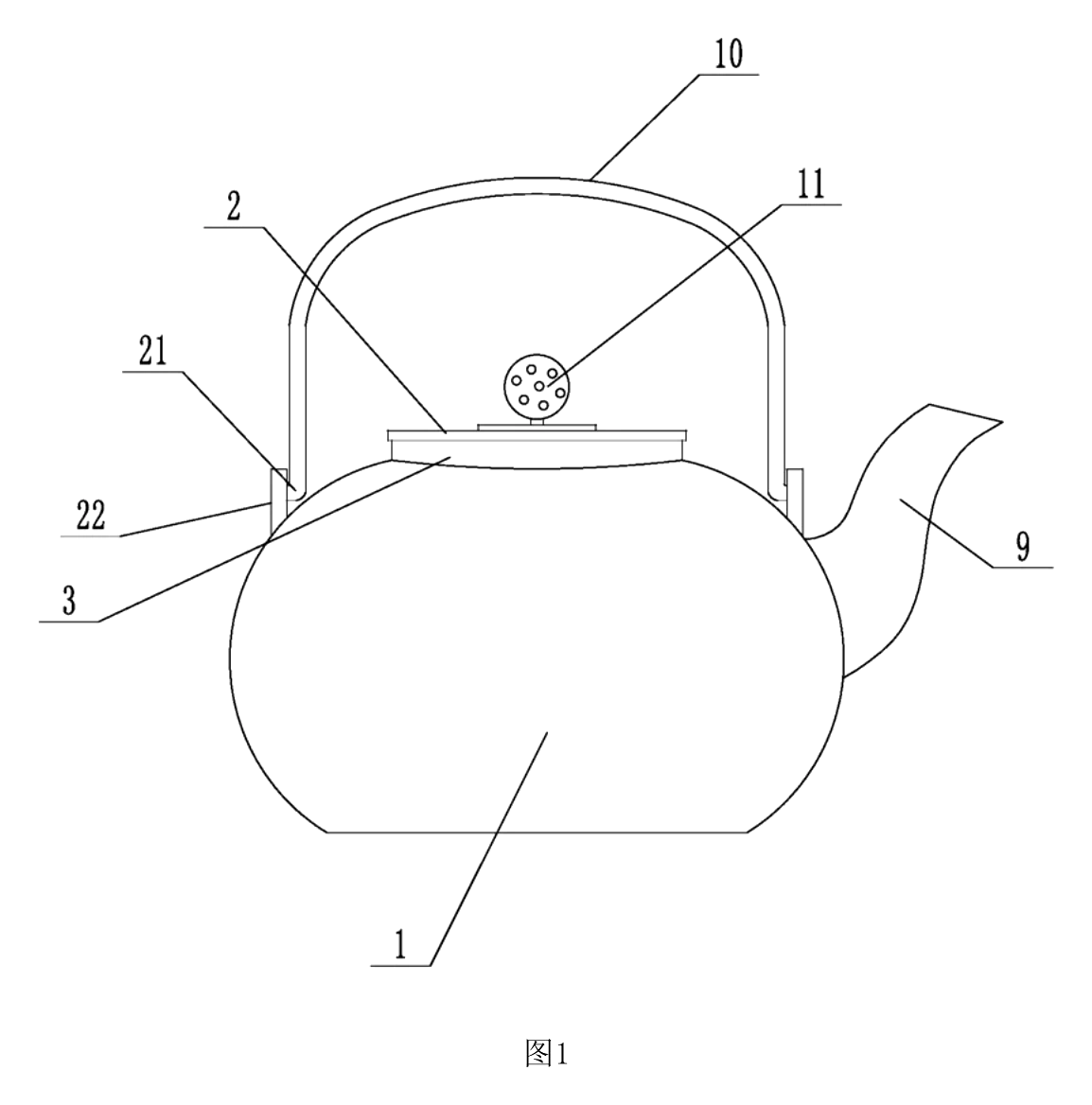
- The opening of the kettle body (1) has an upright metal collar (3); its top edge is a flat seat.
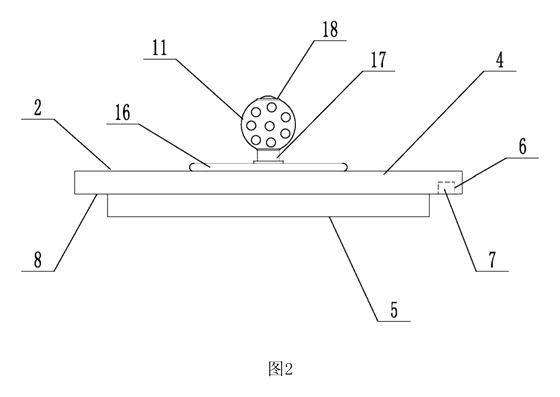
- The lid (2) has a raised center boss (5) underneath that fits inside the collar, and a flat rim that rests on the seat.
- Magnets (7) - at least two, preferably three, evenly spaced - are glued into holes (6) in the underside of the lid rim. They attract the metal seat and hold the lid down.
- A copper layer (8) can cover the underside so the magnets are hidden and protected.
- The lid knob (11) is a hollow, vented metal ball held by a screw (12) with insulating sleeves and spacers (15, 17, 20), so less heat reaches it.
Who it is for
- Cookware and tea-ware brands selling cast-iron, stainless or enameled teapots and kettles.
- Amazon and specialty tea retailers looking for a practical, demonstrable feature.
- Hospitality suppliers for restaurants and tea houses where staff pour all day.
How it works
The main parts
| No. | Part | What it does |
|---|---|---|
| 1 | Kettle body | Metal body. |
| 2 | Lid | Rests on the collar; held by magnets. |
| 3 | Collar | Upright ring around the opening; its top is the seat for the lid. |
| 4 | Lid plate | The flat part of the lid. |
| 5 | Center boss | Raised round part under the lid that fits inside the collar. |
| 6, 7 | Holes and magnets | At least two (preferably three) magnets, glued into holes in the lid rim. |
| 8 | Protective layer | Metal layer (copper preferred) over the underside, covering the magnets. |
| 9 | Spout | Connects to the inside of the body. |
| 10 | Swing handle | Pivots on two mounts (22) on the body; heat-insulating sleeves on its ends. |
| 11 | Lid knob | Hollow metal ball with vent cut-outs (19). |
| 12 | Mounting screw | Holds the knob; screwed into the lid. |
| 15, 20 | Insulating sleeve and ring | Keep heat from the lid away from the knob. |
| 16, 17 | Cover plate and spacer bead | Lift the knob away from the hot lid surface. |
Pouring
- Put the lid on: the center boss (5) drops into the collar (3) and the rim lands on the seat.
- The magnets (7) pull the rim onto the metal seat - three magnets make it sit level.
- Tip the kettle and pour with one hand. The magnets hold the lid; the loose fit means it still lifts off easily by the knob.
The cool-touch knob
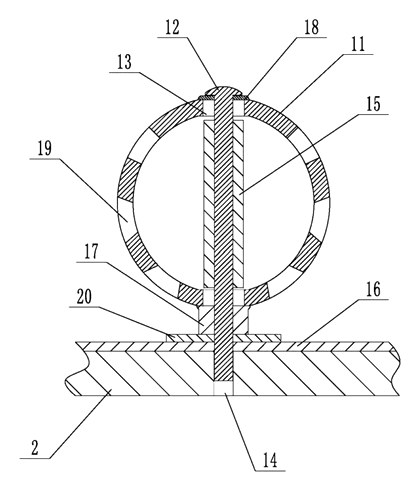
- The knob is a hollow ball with vent cut-outs (19) that let heat escape and give grip.
- An insulating sleeve (15) around the screw and an insulating ring (20) under the knob reduce heat flowing up from the lid.
- A spacer bead (17) keeps fingers away from the lid surface.
- The knob unscrews, so it can be replaced.
Applications
Home tea and pour-over coffee
One-handed pouring without holding the lid - safer and simpler at the kitchen counter.
Tea houses, restaurants and hotels
Staff pour many times a day; a lid that stays on prevents drops and burns.
Cast-iron teapot collections
Cast-iron teapots (tetsubin style) are heavy and lids often rattle or fall; magnets keep them seated.
Camping and outdoor kettles
A lid that stays on during pouring on uneven ground.
Gift and specialty retail
An easy feature to demonstrate in store or in a short product video.
Where it is less suitable
- Induction-only electric kettles - those use a hinged lid instead.
- All-glass or all-ceramic teapots - the magnets need a steel or iron seat on the body; a steel ring would have to be added.
Frequently asked questions
How strong is the magnetic hold?
Strong enough to keep the lid on while pouring, but light enough to lift by the knob. Magnet size and number are tuned on prototypes.
Do the magnets survive boiling water?
Standard neodymium magnets lose strength at high temperatures, so the magnet grade is chosen for the lid temperature and tested on a boiling kettle.
Does the kettle body have to be iron or steel?
The seat on the collar must be magnetic - cast iron or ferritic stainless steel. Other bodies would need a steel ring at the collar.
Are the magnets in contact with water?
In the patent the magnets sit in the lid rim and can be covered by a copper layer. Food-contact surfaces are specified as food-safe materials.
Does the knob stay cool?
The vented hollow knob and insulating parts reduce heat reaching it; actual temperatures are measured during development and a cloth may still be needed on very hot kettles.
Can I use it on induction?
That depends on the body material and base; induction-ready bodies can be specified.
Can this design be made and sold in the US?
The patent was filed only in China and lapsed in 2024, so it does not restrict anyone. Other kettle designs may be patented - see Patent & Production - so we recommend a freedom-to-operate check before volume production.
Are you affiliated with the patent owner?
No. IP2M is an independent design and manufacturing service working from the public patent document.
Request a quote
Click Request a Quote below to see our email address - copy it, or open your email app with a ready-made message. Please mention patent CN210540477U in the subject.
Helpful details to include:
- Your company and sales channel (cookware retail, tea shops, Amazon…)
- Material and capacity
- Style - knob, handle, finish and colors
- Packaging and branding
- Estimated quantity and target price
- Timeline - when you would like samples and the first shipment
You can also reach us at (332) 203-9997.
Explore this product
Interested in building this?
Tell us your target market, quantity and timeline. We reply with options for prototyping, small-batch runs or volume production.
Send your inquiry to
Please put CN210540477U in the subject line and tell us your company, country, estimated quantity and timeline.
Prefer to talk? Call (332) 203-9997.
More product-ready patents
All Home, Kitchen & Cleaning patents →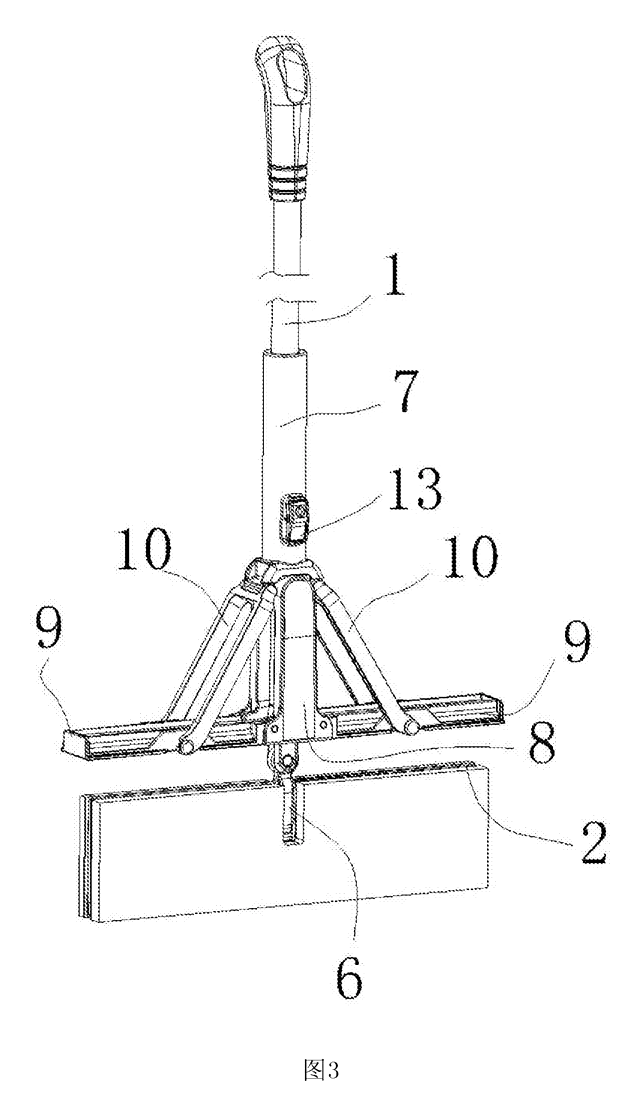
Home, Kitchen & Cleaning
Self-Wringing Flat Mop with Fold-Away Wringer
Flat mop with a built-in wringer that opens only when you wring and folds flat against the pole when you mop.
Patent CN207734114U
Home, Kitchen & Cleaning
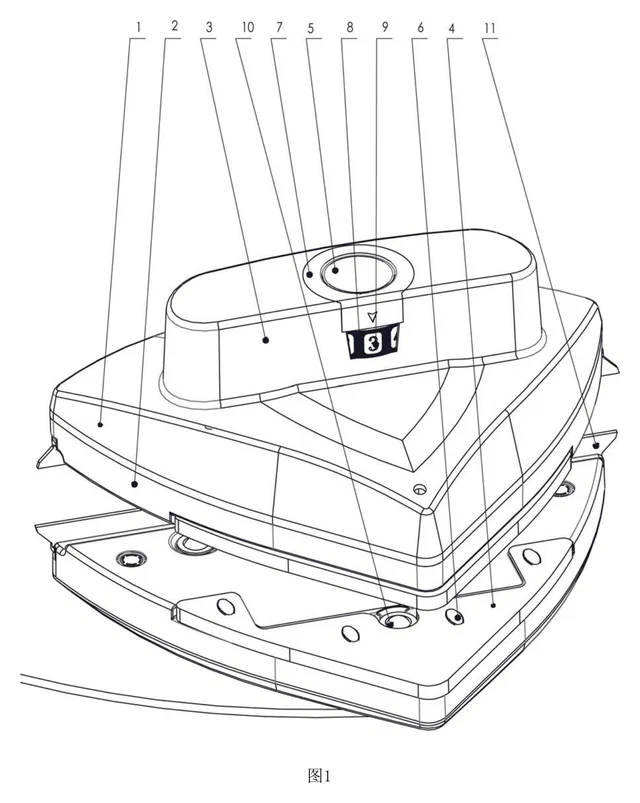
Magnetic Double-Sided Window Cleaner with Dial-Set Magnet Strength
Magnetic window cleaner with a sealed, sliding magnet, dial-set strength for different glass thicknesses and a spring-held idle position.
Patent CN209360543U
Home, Kitchen & Cleaning
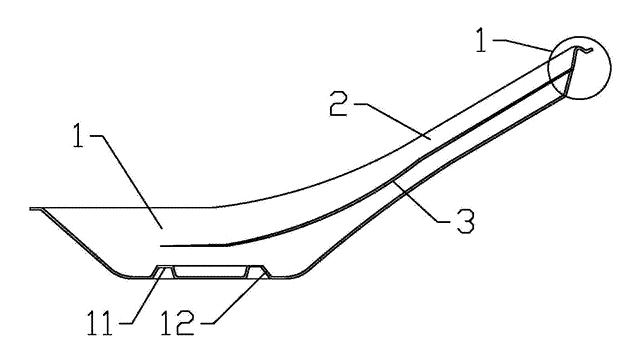
Reinforced Disposable Soup Spoon
Disposable soup spoon with a handle-to-bowl rib, stiffened edges and a ring foot to resist breaking.
Patent CN206964482U
Home, Kitchen & Cleaning
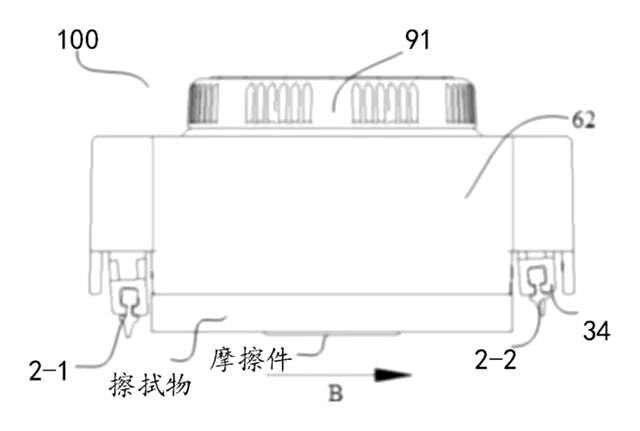
Self-Switching Double-Squeegee Window Cleaner
Cleaning head with two squeegee blades that switch automatically with the direction of movement.
Patent CN212630655U
Home, Kitchen & Cleaning
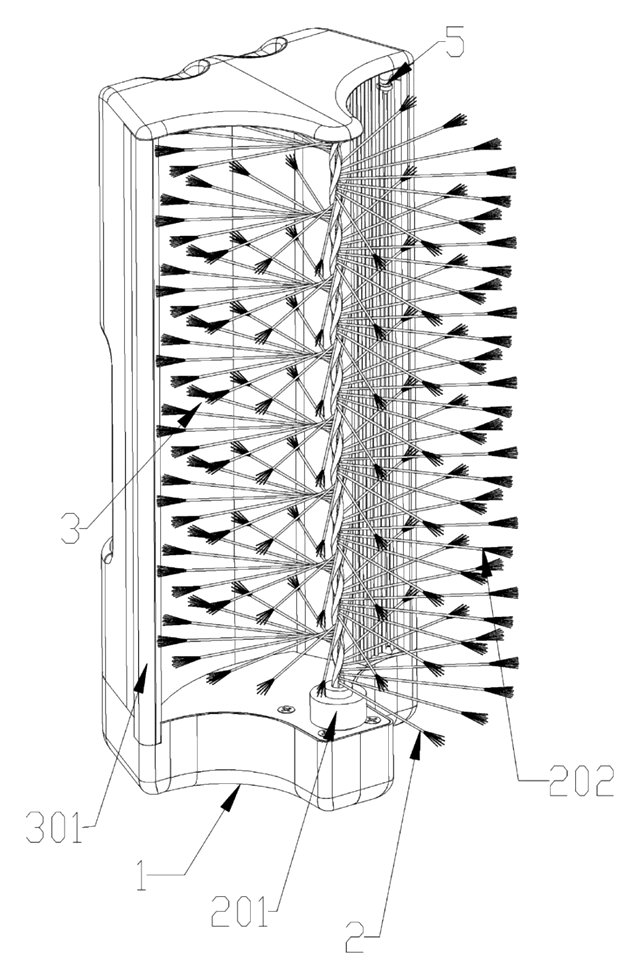
Self-Rinsing Roller Scrub Brush with Dirty-Water Tank
Powered roller brush that rinses and spins its bristles clean inside the body and stores the dirty water.
Patent CN210076909U
Home, Kitchen & Cleaning
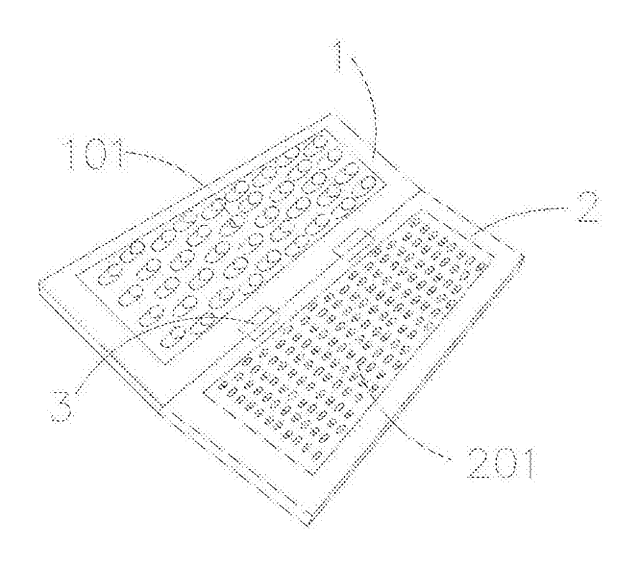
Folding Two-Panel Grater with Coarse and Fine Sides
Two hinged grater panels - coarse and fine, optional slicer - that fold flat for storage.
Patent CN206285003U
Browse by category
- Apparel & Accessories (22)
- Baby & Kids (16)
- Bags & Luggage (9)
- Bath & Personal Care (16)
- Car Accessories (10)
- Furniture, Bedding & Storage (12)
- Garden & Outdoor (18)
- Health & Wellness (8)
- Home, Kitchen & Cleaning (24)
- Lighting (12)
- Packaging & Containers (6)
- Pet Products (6)
- Phone & Camera Accessories (4)
- Retail Display (13)
- School, Office & Art (19)
- Sports & Recreation (25)
- Tools & Workshop (27)
- Toys & Games (12)
This page is based on the public patent document CN210540477U, assigned to Jiangmen Shenglong Ironware Technology Co., Ltd.. IP2M is an independent manufacturing service and is not affiliated with, endorsed by or licensed by the patent owner. Images marked as concept renderings are illustrations, not photos of an existing product. Patent status information is provided for reference only and is not legal advice; confirm freedom to operate for your market before production. Full disclaimer.