
Patent CN212261293U
Updated October 30, 2026Electric Flat Mop Cleaning Bucket with Automatic Washing and Wringing
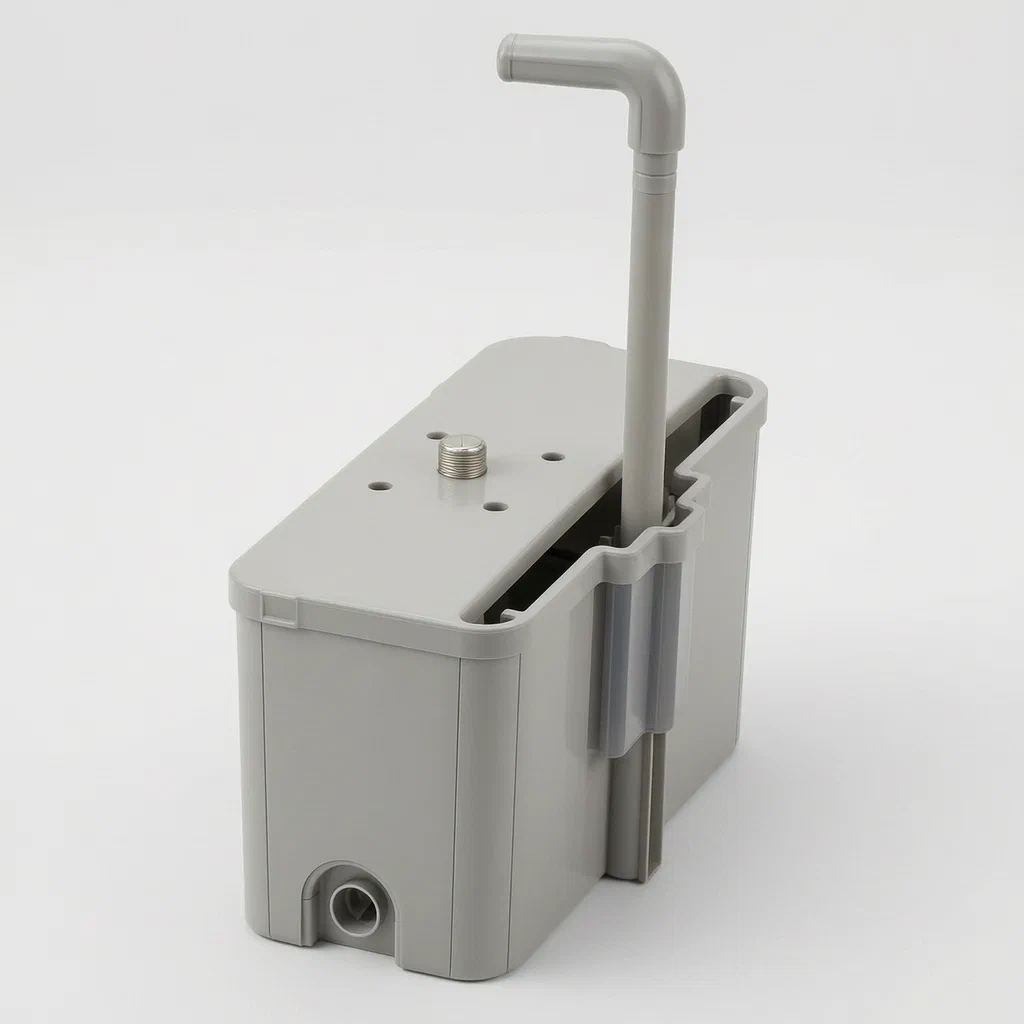
Cleaning a flat mop usually means plunging it into a bucket and twisting or pressing the pad by hand until the dirty water runs clear. This device removes that manual effort. It pairs a standard flat mop—made of a pole and a hinged mop head holding a wiping pad—with a specialized bucket. Inside the bucket, a cleaning mechanism handles both washing and squeezing. A driving motor sits in a sealed recess outside the main chamber, connected to the internal mechanism through the wall. When you push the mop down through the lid's insertion hole, a magnet at the bottom of the pole trips a reed switch hidden in a waterproof tube. That signal tells a circuit board to open a solenoid valve, drawing fresh water in to wash the pad. When the cycle ends, the valve shuts and the motor drives the mechanism to wring the pad dry.
- China utility model - in force
- No filings outside China
- Household cleaning tools
- Plastic bucket, electric motor, solenoid valve, reed switch
Splat! What let you down?
⚡
Motor-driven action
An electric motor powers the internal cleaning mechanism to wash and wring the mop pad without manual pumping or twisting.
🧲
Magnetic auto-start
A magnet on the mop rod triggers a reed switch when inserted, starting the wash cycle automatically.
💧
Solenoid water control
A solenoid valve opens to let water in for washing and closes when it is time to squeeze the pad.
🛡️
Sealed electronics
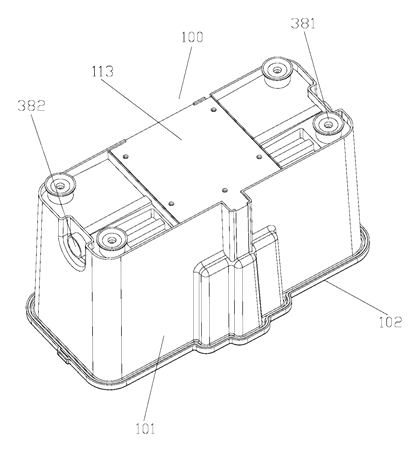
The reed switch sits in a waterproof guide tube, and the circuit board mounts in a covered box under the bucket base.
Bring this product to market
- ✓ Patent vetted China-only family and legal status checked
- 2 Product brief · now How it works, uses and options written up
- 3 Prototype First samples for buyers to review
- 4 Pilot run Small first batch for launch customers
- 5 Volume production Repeat orders at scale
Buyer interest
– of 100 buyers needed to start prototyping
One click, no sign-up. Each vote is one real visitor, and products with the most interest go to prototyping first.
Build team: no members yet. Need a partner, co-funding or skills to build this? Join and we introduce the team once it forms.
The problem
Washing a flat mop requires filling a basin, dunking the pad repeatedly, and then wringing it out by hand or using a mechanical press plate that demands physical force. For users who clean large floor areas daily, this repetitive bending, gripping, and pressing causes fatigue. Manual buckets also make it difficult to control how much water remains in the pad after wringing; too much water leaves streaks on hard floors, while too little reduces cleaning effectiveness on the next pass. Furthermore, keeping the electrical components safe from splashing water inside a washing bucket is a persistent design challenge.
The solution
This patent describes a system where the washing and wringing actions are handled entirely by internal mechanisms powered by electricity.
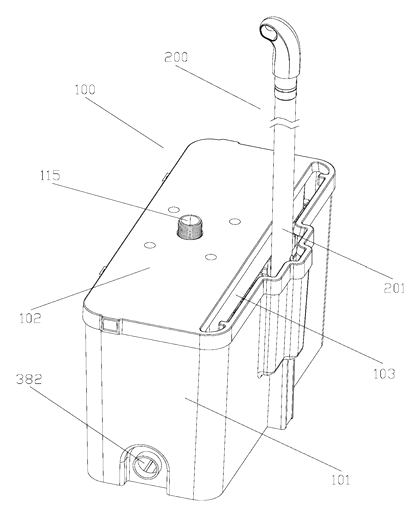
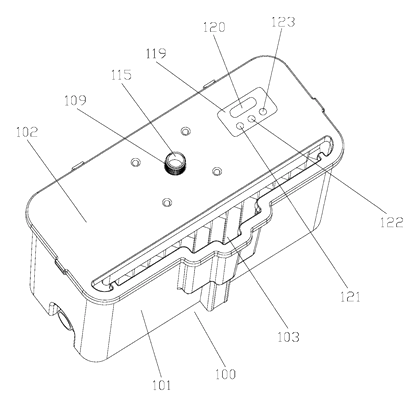
- The mop bucket (100) consists of a bucket body (101) and a bucket cover (102) fixed over the upper opening. An insertion hole (103) in the cover accepts the mop.
- The flat mop (200) has a mop rod (201) and a hinged mop head (202) holding the wiping material. A magnet (203) is fixed at the lower end of the rod.
- Inside the bucket, a positioning recess (104) aligns with the insertion hole. A guide tube (106) containing a reed switch sits in this recess, sealed against water intrusion.
- On the opposite inner wall, a positioning boss (105) protrudes inward to help align the mop head during insertion.
- A cleaning mechanism inside the bucket body performs the actual washing and wringing of the wiping material.
- A driving mechanism, including a driving motor mounted in an external recess, connects to the cleaning mechanism through the bucket wall via a connecting assembly.
- A circuit board (108) housed in a sealed box under the bucket controls a solenoid valve (107) linked to a water inlet (109).
Who it is for
- Household cleaning brands looking to offer an automated alternative to traditional spin-mop or press-mop buckets for their retail lines.
- Janitorial supply distributors serving commercial cleaners who need to reduce the physical strain of washing flat mops between rooms.
- Amazon private-label sellers seeking a differentiated floor-care product with electronic features that stand out in search results.
- Hospitality purchasing groups equipping housekeeping staff with tools that speed up room turnover by automating the mop preparation step.
How it works
The main parts
| No. | Part | What it does |
|---|---|---|
| 100 | Mop bucket | The complete bucket assembly. |
| 101 | Bucket body | Holds the water, cleaning mechanism, and mop head. |
| 102 | Bucket cover | Seals the top opening; contains the insertion hole. |
| 103 | Insertion hole | The slot where the flat mop enters the bucket. |
| 104 | Positioning recess | Guides the mop head downward inside the bucket. |
| 105 | Positioning boss | Protrudes from the opposite wall to stabilize the mop. |
| 106 | Guide tube / Reed switch | Waterproof tube housing the magnetic sensor. |
| 107 | Solenoid valve | Controls water flow through the inlet channel. |
| 108 | Circuit board | Processes the switch signal and controls the valve and motor. |
| 109 | Water inlet | Connects to an external water source. |
| 200 | Flat mop | The mop unit comprising rod, head, and pad. |
| 201 | Mop rod | The handle, carrying the magnet at its lower end. |
| 202 | Mop head | Hinged base holding the wiping material. |
| 203 | Magnet | Triggers the reed switch upon insertion. |
Operating steps
- Insert the mop - Push the flat mop down through the insertion hole (103) in the bucket cover. The positioning recess (104) and boss (105) keep the mop head aligned.
- Trigger the sensor - As the mop reaches the correct depth, the magnet (203) on the rod aligns with the reed switch inside the guide tube (106), sending a signal to the circuit board (108).
- Fill and wash - The circuit board opens the solenoid valve (107). Water flows from the external source through the water inlet (109) into the bucket body. Simultaneously, the driving motor turns the connecting assembly, which drives the cleaning mechanism to agitate and wash the wiping material.
- Drain and wring - After the wash phase, the circuit board closes the solenoid valve to stop the water flow. The motor continues to drive the cleaning mechanism, which now squeezes the water out of the wiping material.
- Remove the mop - Pull the mop out through the insertion hole. The pad is washed and wrung, ready for the next floor section.
Applications
Residential hard-floor cleaning
Homeowners with large areas of tile, hardwood, or laminate use flat mops daily. This bucket allows them to wash and wring the mop pad by simply inserting it, avoiding the need to bend over a sink or manually twist a heavy, wet cloth.
Commercial janitorial services
Cleaning crews working in office buildings or schools move from room to room constantly. Carrying a bucket that automatically rinses and wrings the mop saves time and reduces the repetitive wrist and back strain associated with manual wringing mechanisms.
Hospitality housekeeping
Hotel maids must clean multiple rooms quickly. An automated bucket stationed on a cleaning cart or in a utility closet lets them refresh the mop pad between rooms without leaving the floor to find a utility sink, keeping the workflow continuous.
Healthcare facility maintenance
Hospitals and clinics require frequent floor sanitization. Automating the washing step ensures the mop pad is rinsed consistently each time it is inserted, preventing the spread of dirt from one zone to another due to inadequate manual rinsing.
Retail store upkeep
Store employees often clean spills or sweep aisles during operating hours. A self-contained bucket with an external water hookup keeps the process tidy and fast, minimizing disruption to shoppers.
Where it is less suitable
- Outdoor or unsealed surfaces - The device relies on an external water connection and electrical power, making it impractical for patios, garages without plumbing, or construction sites.
- String or sponge mops - The insertion hole and internal cleaning mechanism are shaped specifically for flat mop heads; round string mops or thick sponge mops will not fit or function correctly.
- Travel or camping - Because it requires a plumbed water inlet and mains or battery power for the motor, it is designed for fixed indoor locations rather than portable use.
Frequently asked questions
How does the bucket know when to start washing?
A magnet is fixed at the bottom of the mop rod. When you push the mop through the lid’s insertion hole, the magnet aligns with a reed switch hidden inside a waterproof guide tube in the bucket wall. This contact sends a signal to the circuit board to begin the cycle.
Does it need to be plugged into a wall outlet?
The patent describes a driving motor and a circuit board but does not specify the power source. Whether it uses an AC adapter or a battery pack is set in design / confirmed on prototypes based on the buyer’s preference for stationary or mobile use.
Where does the wash water come from?
The bucket has a water inlet connected to a solenoid valve. According to the patent, external water flows into the bucket through this inlet when the valve opens. You would connect this inlet to a faucet or hose.
Can I use any flat mop with this bucket?
No. The insertion hole on the bucket cover and the internal positioning recess and boss are sized for a specific mop head profile. The mop rod must also have the magnet at the correct height to trigger the switch. Compatibility is determined during the design phase.
How does the wringing happen?
After the washing phase, the circuit board closes the solenoid valve to stop the water flow. The driving motor then powers the internal cleaning mechanism to physically squeeze the wiping material on the mop head.
Is the electronics safe around water?
The patent addresses this by placing the reed switch inside a waterproof guide tube within the positioning recess. The driving motor sits in a recess outside the main bucket body, and the circuit board is housed in a covered mounting box fastened beneath the bucket base.
Can this design be made and sold in the US?
This patent was filed only in China and is currently in force in China until at most 2030-02-11 (if annual fees are paid). It has no US counterpart, so it does not restrict manufacturing or sales in the United States. However, other companies may hold US patents covering motorized mop buckets or similar automated cleaning systems. We recommend a freedom-to-operate review before beginning production. See Patent & Production for details.
Are you affiliated with the patent owner?
No. IP2M is an independent design and manufacturing service working from the public patent document.
Request a quote
Click Request a Quote below to see our email address - copy it, or open your email app with a ready-made message. Please mention patent CN212261293U in the subject.
Helpful details to include:
- Your company and channel (cleaning brand, janitorial distributor, Amazon seller, hospitality supplier)
- Target flat mop dimensions (pad width, rod diameter, head thickness)
- Power preference (AC mains adapter or rechargeable battery)
- Water inlet type (standard garden hose thread, quick-connect, etc.)
- Estimated order quantity and target price
- Timeline - when you need prototypes and the first production shipment
You can also reach us at (332) 203-9997.
Explore this product
Interested in building this?
Tell us your target market, quantity and timeline. We reply with options for prototyping, small-batch runs or volume production.
Send your inquiry to
Please put CN212261293U in the subject line and tell us your company, country, estimated quantity and timeline.
Prefer to talk? Call (332) 203-9997.
More product-ready patents
All Home, Kitchen & Cleaning patents →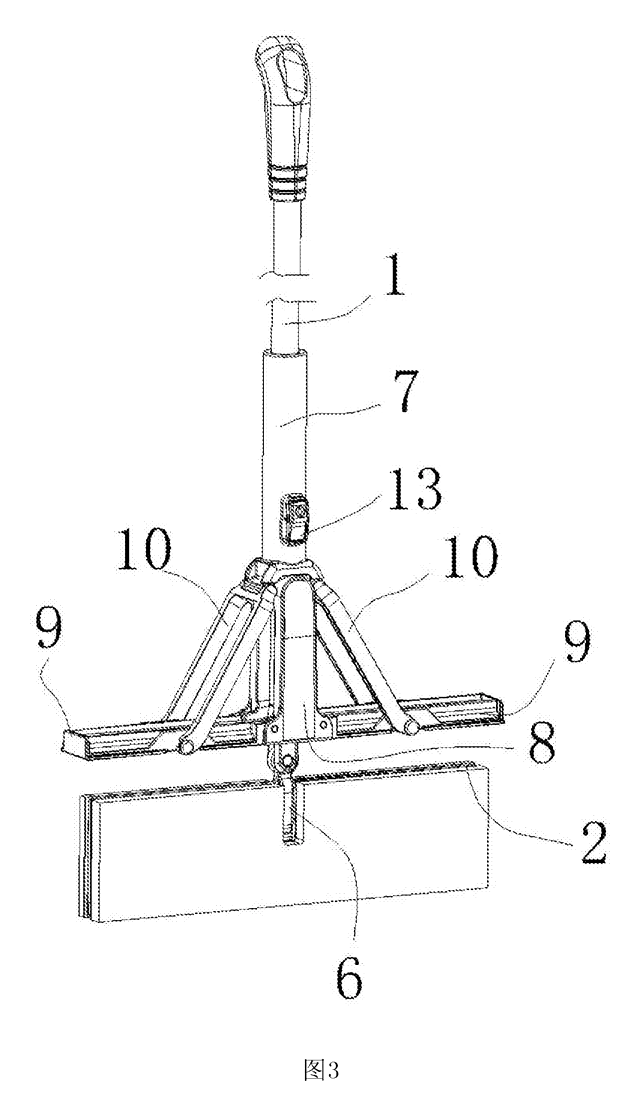
Home, Kitchen & Cleaning
Self-Wringing Flat Mop with Fold-Away Wringer
Flat mop with a built-in wringer that opens only when you wring and folds flat against the pole when you mop.
Patent CN207734114U
Home, Kitchen & Cleaning
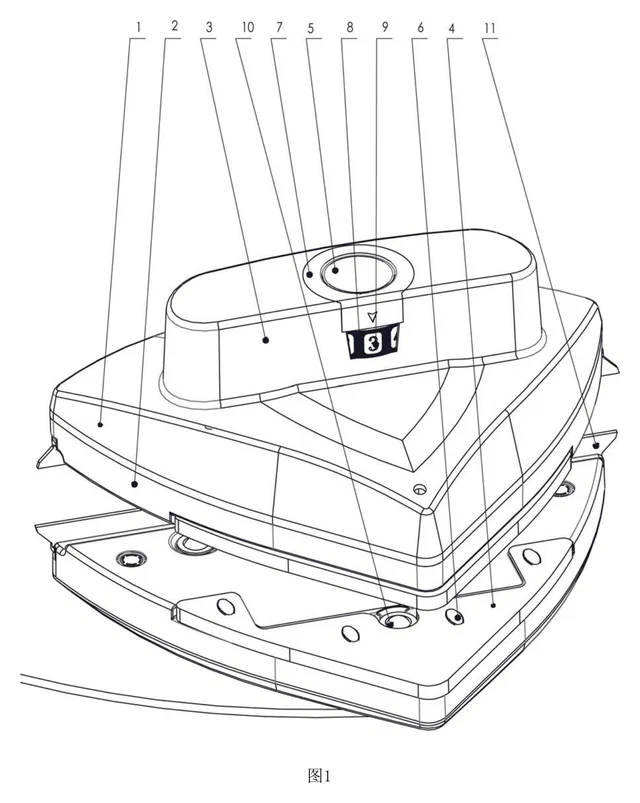
Magnetic Double-Sided Window Cleaner with Dial-Set Magnet Strength
Magnetic window cleaner with a sealed, sliding magnet, dial-set strength for different glass thicknesses and a spring-held idle position.
Patent CN209360543U
Home, Kitchen & Cleaning
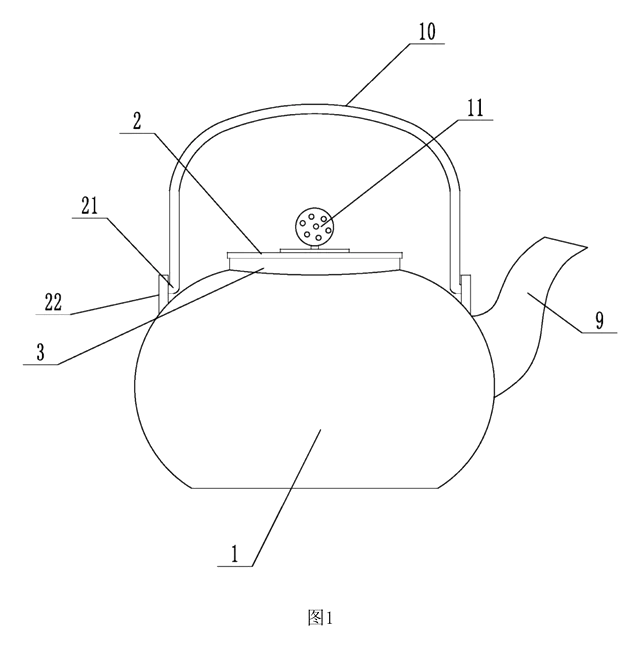
Metal Kettle with Magnetic Lid That Stays On When Pouring
Metal teapot/kettle with a magnet-held lid that does not fall off when pouring, and an insulated, vented lid knob.
Patent CN210540477U
Home, Kitchen & Cleaning
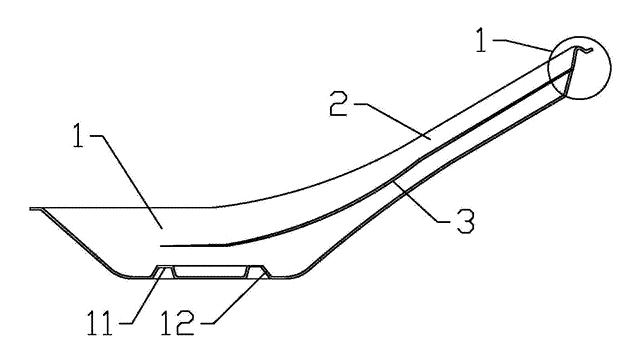
Reinforced Disposable Soup Spoon
Disposable soup spoon with a handle-to-bowl rib, stiffened edges and a ring foot to resist breaking.
Patent CN206964482U
Home, Kitchen & Cleaning
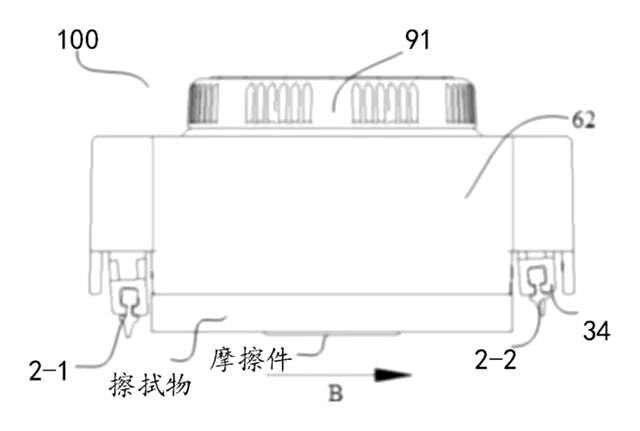
Self-Switching Double-Squeegee Window Cleaner
Cleaning head with two squeegee blades that switch automatically with the direction of movement.
Patent CN212630655U
Home, Kitchen & Cleaning
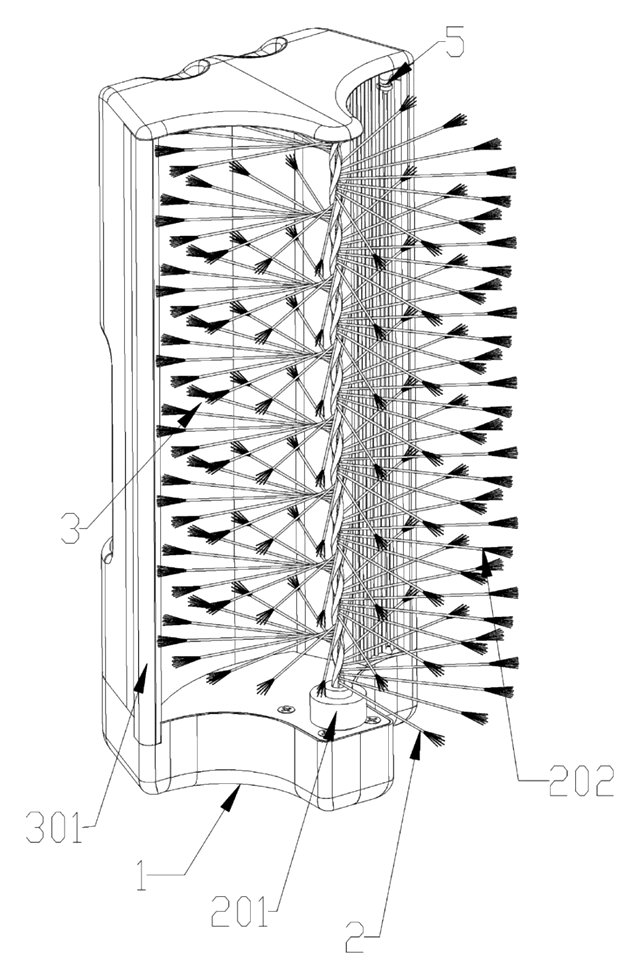
Self-Rinsing Roller Scrub Brush with Dirty-Water Tank
Powered roller brush that rinses and spins its bristles clean inside the body and stores the dirty water.
Patent CN210076909U
Browse by category
- Apparel & Accessories (22)
- Baby & Kids (16)
- Bags & Luggage (9)
- Bath & Personal Care (16)
- Car Accessories (10)
- Furniture, Bedding & Storage (12)
- Garden & Outdoor (18)
- Health & Wellness (8)
- Home, Kitchen & Cleaning (24)
- Lighting (12)
- Packaging & Containers (6)
- Pet Products (6)
- Phone & Camera Accessories (4)
- Retail Display (13)
- School, Office & Art (19)
- Sports & Recreation (25)
- Tools & Workshop (27)
- Toys & Games (12)
This page is based on the public patent document CN212261293U, assigned to Bazhou Liangjie Household Products Co Ltd. IP2M is an independent manufacturing service and is not affiliated with, endorsed by or licensed by the patent owner. Images marked as concept renderings are illustrations, not photos of an existing product. Patent status information is provided for reference only and is not legal advice; confirm freedom to operate for your market before production. Full disclaimer.