At a glance
| Patent number | CN212368563U (application CN202021215484) |
| Type | China utility model (实用新型) - protects product shape and structure |
| Original title | Self-filling cleaning tool (一种自加液的清洁工具) |
| Patent owner | Ningbo Haishu Liangpin Living Goods Co., Ltd. (宁波市海曙良品生活用品有限公司); a license to Ningbo Haishu Xinyi Sanitary Ware Co., Ltd. was recorded on 2025-10-14 |
| Inventors | Xia Dongquan |
| Filing date | 2020-06-28 |
| Grant date | 2021-01-19 |
| Status (China) | In force - no termination recorded; a China utility model lasts at most 10 years from filing (to 2030-06-28) |
| Patent family | Chinese filings only - no US, European, Japanese, PCT or other filings listed |
| Cited by | 2 later documents |
| Source | Google Patents (search for CN212368563U) |
What the claims cover, in plain language
Claim 1 - a cleaning tool with a liquid storage unit and a removable cleaning unit. The storage unit has a detergent container and a stand; the cleaning unit has a brush body with a buffer chamber and a scrubbing part. The stand has a filling channel connected to the buffer chamber so detergent can flow into it; the brush body has outlet holes toward the scrubbing part and a press part that squeezes the chamber to push detergent out.
Claim 2 - the container and chamber connect through the filling channel when the brush is inserted in the stand. Claim 3 - a first one-way valve between channel and chamber opens when the brush is inserted or pressed and closes when it is removed, so the channel does not leak. Claim 4 - the outlet holes have a one-way valve. Claim 5 - the brush has a filling hole; the stand has a fixed frame and plate with a plug containing a control switch that opens or closes the path to the filling hole. Claims 6-11 - further features described in the patent, such as air vents, the tank position above the chamber and a press pump on the container.
This is a simplified reading for orientation only. The legal scope is defined by the exact claim wording in the official Chinese document.
What this means for US production
This patent was filed only in China. It is still in force in China, so making or selling this design in China would need the owner’s permission while it lasts (at most until 2030-06-28). It has no US or other foreign counterpart and does not restrict the design outside China.
Two points to settle early:
- Check the US patent landscape. Soap-dispensing brushes and brush-with-dispenser caddies are a busy US patent area held by cleaning-tool brands; a freedom-to-operate (FTO) review of the dock and valve design by a US patent attorney should come before tooling.
- The valves are the product. Leak-free docking depends on valve design and tolerances, which must be proven on tooled samples.
Customization and manufacturing
What can be customized
| Area | Options |
|---|---|
| Scrubbing part | Nylon or PBT bristles, brush ball, sponge, silicone; replaceable heads |
| Stand | Countertop, sink-edge or wall-mounted; drip tray |
| Tank | Capacity, see-through window, refill opening or press pump |
| Valves | Silicone duckbill or umbrella valves; dose size per press |
| Versions | Dish brush, pot brush, bottle brush, toilet or tile brush |
| Branding | Colors, logo, retail packaging, refill bottle fit |
Things to plan for (US market)
- FDA food contact - the brush and its head touch dishes, so plastics and silicone should meet 21 CFR 177 (for example 177.1520 for PP, 177.2600 for silicone).
- California Prop 65 - check colorants, rubber parts and bristle materials.
- Antimicrobial claims - any “antibacterial” claim for the brush triggers EPA treated-article rules; avoid such claims unless supported.
- Detergent compatibility - test valve materials against common dish soaps, and against cleaners for bathroom versions.
How a project runs
- Inquiry - brush type, stand style, tank size and quantity.
- Design - brush body, chamber, valves and dock engineered together.
- Prototype - working samples for refill, dosing and drip tests with different soaps.
- Pilot run - small batch for leak and drop testing and packaging.
- Production - volume production, packaging and shipping.
Quantities & timeline
The brush body, stand, tank and button each need injection molds, the valves need silicone molds, and bristle heads need tufting set-up; most of the development time goes into valve fit. Send us your brush type, stand style, quantity and target price and we will reply with options.
Patent drawings
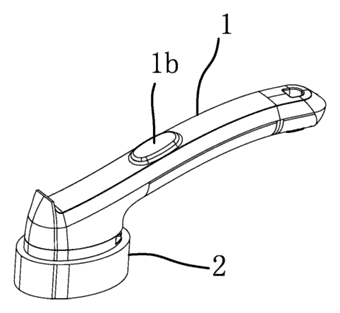
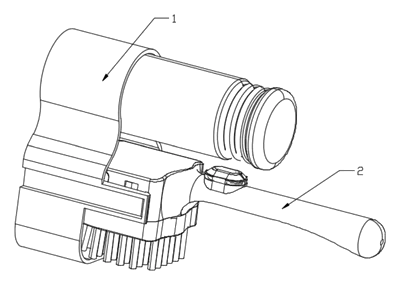
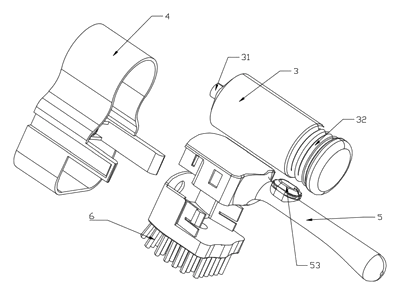
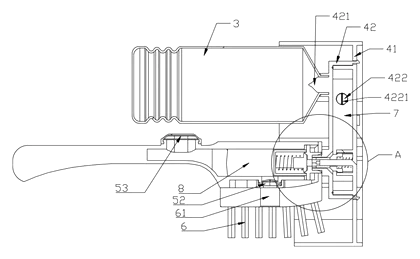
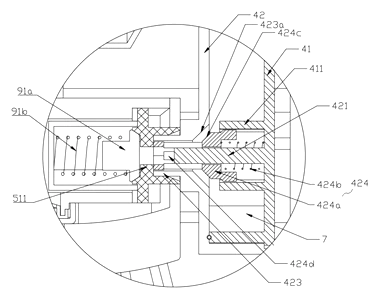
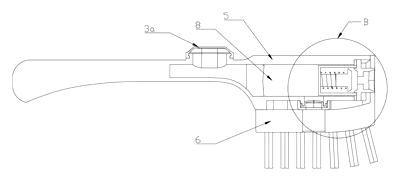
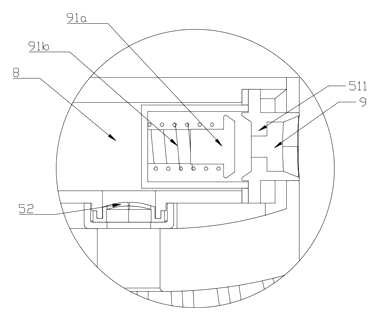
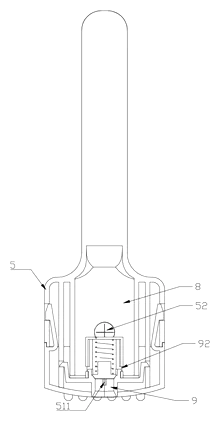
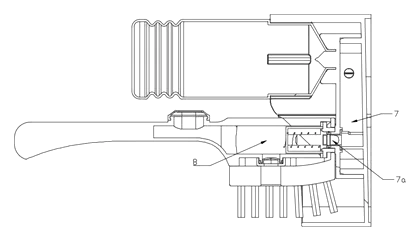
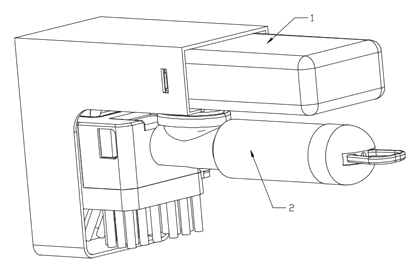
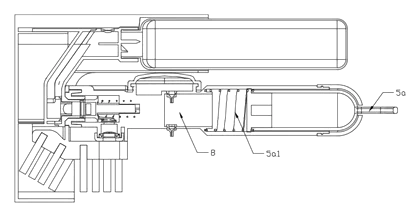
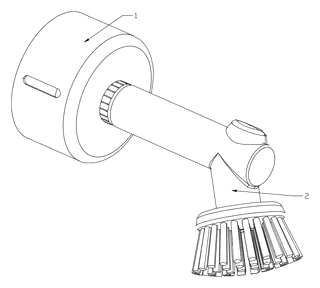
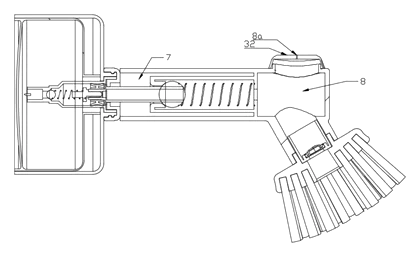
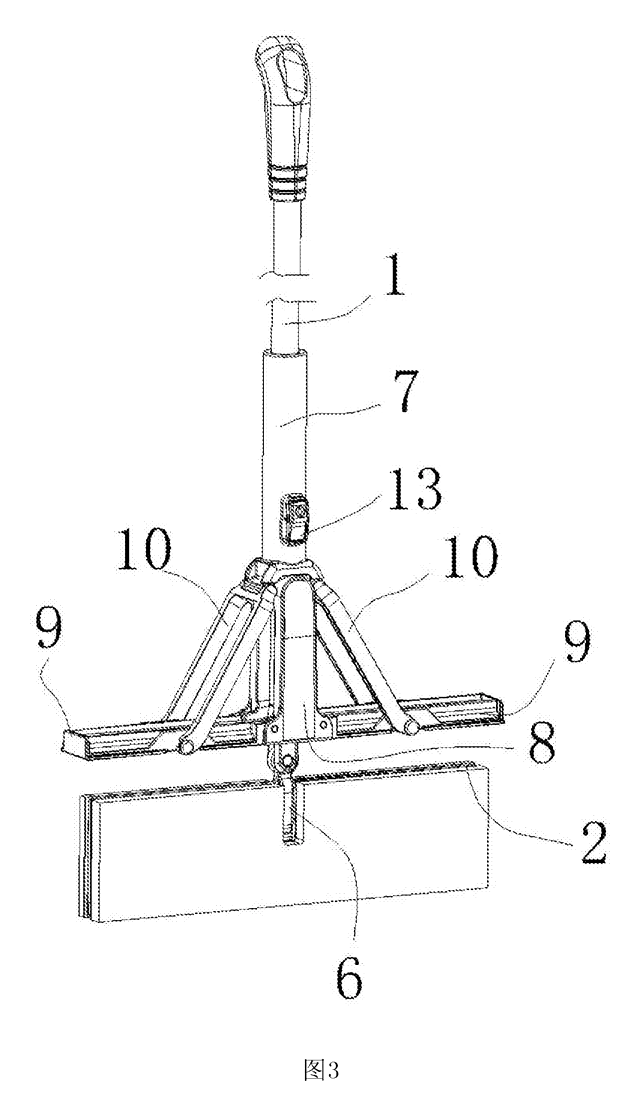
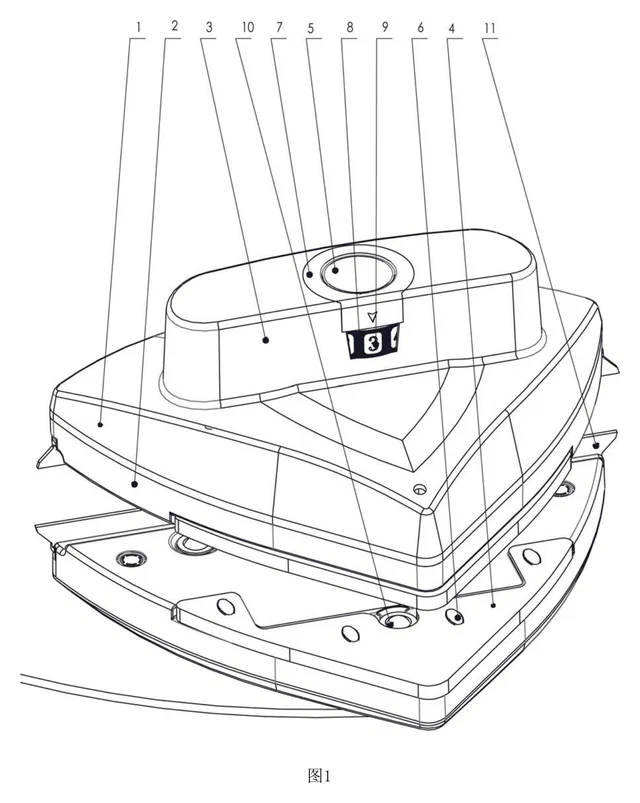
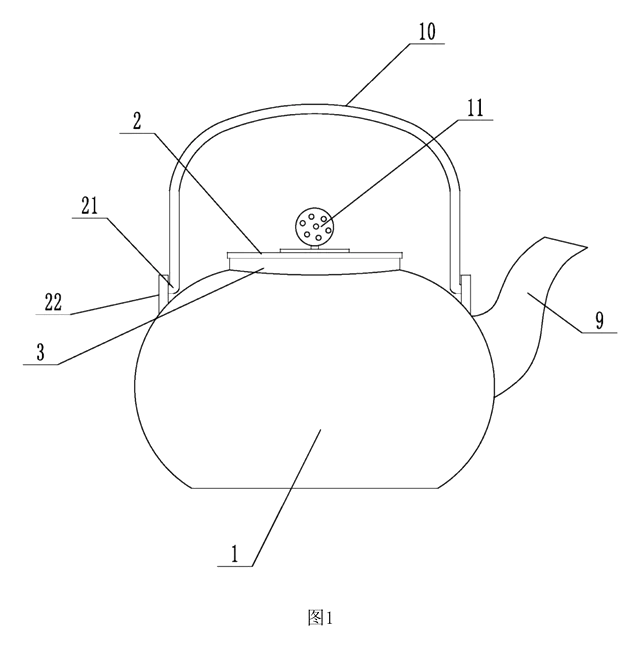
Drawings reproduced from the public patent document for reference.