
Patent CN212488975U
Updated October 28, 2026Self-Filling Cleaning Tool with Detachable Liquid Storage Device
Applying cleaning liquid by hand interrupts scrubbing and wastes time. This self-filling cleaning tool solves that by storing the agent in a container above the brush head and routing it down automatically. The user simply inserts the brush body into the bracket to connect the filling channel to the buffer chamber, then presses a button to dispense the liquid directly onto the wiper. A check valve prevents leaks when the brush is removed, and replaceable containers keep the tool ready for continuous use without pausing to pour detergent manually.
- China utility model - in force
- No filings outside China
- Home & kitchen cleaning
- Plastic housing, silicone valves, replaceable containers
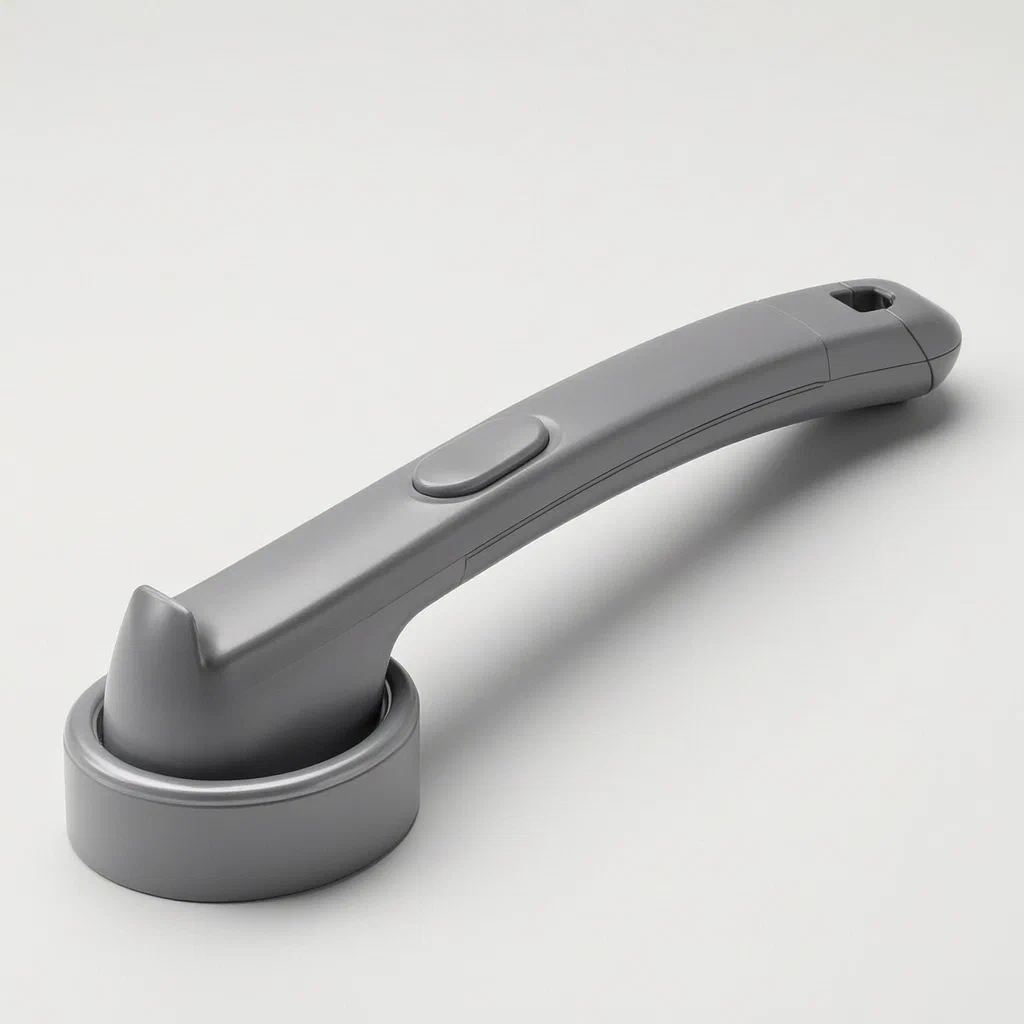
Splat! What let you down?
💧
Automatic liquid feed
A filling channel connects the container to the brush buffer chamber when inserted into the bracket.
🔒
Check valve seal
A first check valve opens under pressure and closes when the brush is pulled out to prevent leaks.
🔄
Replaceable containers
The cleaning agent container mounts via bayonet or screw, and a puncturing device opens sealed refills.
🌬️
Pressure relief
Air pressure relief holes or valves in both the buffer chamber and the container manage airflow during dispensing.
Bring this product to market
- ✓ Patent vetted China-only family and legal status checked
- 2 Product brief · now How it works, uses and options written up
- 3 Prototype First samples for buyers to review
- 4 Pilot run Small first batch for launch customers
- 5 Volume production Repeat orders at scale
Buyer interest
– of 100 buyers needed to start prototyping
One click, no sign-up. Each vote is one real visitor, and products with the most interest go to prototyping first.
Build team: no members yet. Need a partner, co-funding or skills to build this? Join and we introduce the team once it forms.
The problem
When scrubbing surfaces with a standard brush or sponge, users must stop frequently to pour detergent or spray cleaning solution. This interruption slows down the work, especially on large areas like floors, decks or tiled walls. Carrying a separate bottle while holding a brush is awkward, and manually squeezing liquid onto a sponge often results in uneven coverage or spills. Furthermore, traditional squeeze-bottle brushes lack a reliable way to seal the liquid path when the brush head is detached for rinsing, leading to drips and wasted cleaning agent.
The solution
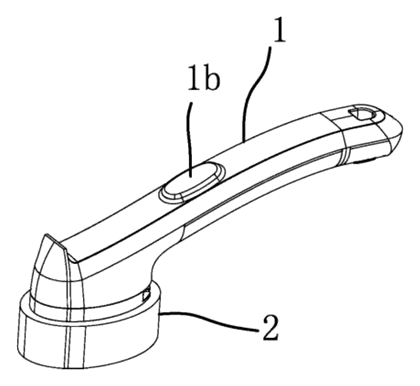
This patent describes a two-part system where the liquid supply stays docked while the brush detaches for rinsing.
- A liquid storage device (1) holds a cleaning agent container (3) positioned higher than the brush so gravity assists the flow. It includes a bracket (4) with a liquid filling channel (7).
- A cleaning device (2) comprises a brush body (5) and a wiper (6), which can be bristles, brush balls or a sponge brush. Inside the brush body is a buffer chamber (8).
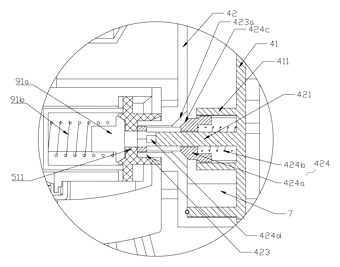
- When the cleaning device is inserted into the bracket, the filling channel aligns with a liquid filling hole (9) on the brush body, connecting to the buffer chamber.
- A first check valve (52) sits between the filling channel and the buffer chamber. It opens when the brush body is pressed into the bracket or squeezed, and closes when the brush is pulled out, preventing liquid from flowing out of the channel.
- To dispense, the user operates a pressing portion (32 / 53) on either the liquid storage device or the brush body itself. This forces the agent from the buffer chamber out through liquid spraying holes (61) directed at the wiper.
- An air pressure relief mechanism (8a) in the buffer chamber and a second air pressure relief mechanism (3a) in the container allow air to enter as liquid leaves, ensuring smooth flow.
Who it is for
- Household cleaning brands looking to add an auto-dispensing scrub brush to their catalog for tile, glass or floor care.
- Janitorial supply wholesalers serving commercial cleaners who need to cover large areas without carrying separate spray bottles.
- Amazon private-label sellers seeking a differentiated cleaning tool with a clear functional advantage over basic sponges.
- Automotive detailing suppliers offering brushes that apply soap or wheel cleaner directly through the bristles during wash routines.
How it works
The main parts
| No. | Part | What it does |
|---|---|---|
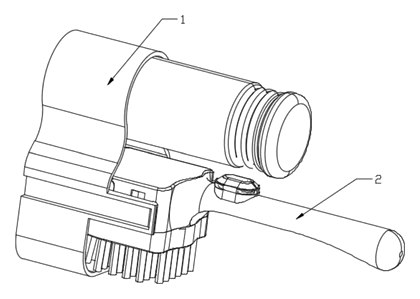
| 1 | Liquid storage device | Holds the container and bracket; docks the brush. |
| 2 | Cleaning device | The working end, including brush body and wiper. |
| 3 | Cleaning agent container | Stores the liquid; mounted via bayonet or screw. |
| 4 | Bracket | Supports the brush body and houses the filling channel. |
| 5 | Brush body | Contains the buffer chamber and spraying holes. |
| 6 | Wiper | Bristles, brush balls or sponge that contacts the surface. |
| 7 | Liquid filling channel | Routes liquid from the container to the brush. |
| 8 | Buffer chamber | Temporary reservoir inside the brush body. |
| 9 | Liquid filling hole | Entry point on the brush body for the liquid. |
| 32, 53 | Pressing portion | Elastic part squeezed to push liquid out. |
| 52 | First check valve | Seals the channel when the brush is removed. |
| 61 | Liquid spraying hole | Directs liquid onto the wiper. |
| 8a, 3a | Pressure relief mechanisms | Holes or valves that let air in to balance pressure. |
| 421 | Puncturing device | Pierces replaceable sealed containers upon installation. |
| 5b | Brush body positioning device | Slide groove, buckle or frame that aligns the brush. |
Operating steps
- Install the container - mount the cleaning agent container onto the bracket using the bayonet or screw thread. If using a sealed refill, the puncturing device pierces it to open the flow path.
- Dock the brush - insert the cleaning device into the bracket. The positioning device aligns the brush body so the filling channel connects to the buffer chamber through the first check valve.
- Fill the buffer - press the pressing portion on the storage device or the brush body. Liquid flows down through the filling channel into the buffer chamber, aided by gravity since the container sits higher.
- Scrub and dispense - use the wiper on the target surface. When more liquid is needed, squeeze the elastic pressing portion again to push agent from the buffer chamber out through the spraying holes onto the wiper.
- Detach and rinse - pull the brush body out of the bracket. The first check valve closes automatically, keeping remaining liquid inside the channel without leaking. Rinse the wiper under water.
Applications
Bathroom tile and grout
Homeowners scrubbing shower walls need detergent applied evenly without juggling a spray bottle. The self-filling brush dispenses cleaner directly into the bristles, letting the user focus on scrubbing grout lines continuously.
Kitchen countertops and stovetops
Grease removal requires repeated application of degreaser. Pressing the elastic portion on the brush body releases measured amounts of cleaning agent right where the sponge meets the surface, reducing waste and speeding up wipe-downs.
Automotive wheel washing
Detailers cleaning brake dust off wheels benefit from soap flowing through brush balls. The detachable design allows quick rinsing of the brush head between wheels while the liquid storage device remains sealed.
Commercial floor spot-cleaning
Janitors addressing spills in hallways can carry the docked unit or just the filled brush. The buffer chamber holds enough agent for several passes, and the check valve prevents drips when moving between spots.
Outdoor patio furniture
Scrubbing pollen or bird droppings off resin chairs outdoors often lacks a nearby sink. Storing the cleaning solution in the replaceable container means the user brings the supply directly to the furniture.
Where it is less suitable
- Heavy-duty industrial degreasing - high-volume pressure washers are required for thick machinery grease rather than manual buffer-chamber dispensing.
- Delicate electronics cleaning - liquid dispensing near circuitry risks damage; dry or lightly dampened wipes are preferred.
- Continuous mopping of large floors - the buffer chamber capacity is designed for targeted scrubbing, not wide-area wet mopping.
Frequently asked questions
How does the cleaning liquid get from the bottle to the brush?
The liquid storage device has a filling channel. When you insert the brush body into the bracket, this channel aligns with a filling hole leading to a buffer chamber inside the brush. Because the container is mounted higher than the buffer chamber, gravity helps the liquid flow down when the pressing portion is activated.
Will it leak when I pull the brush out to rinse it?
No. A first check valve sits between the filling channel and the buffer chamber. The patent states that this valve opens when the brush is inserted or pressed, and closes automatically when the brush is pulled out or the pressure is released, preventing liquid from flowing out of the channel.
What types of brush heads are described?
The patent specifies that the wiper can be bristles, brush balls or a sponge brush. These are attached to the brush body, which contains the internal buffer chamber and spraying holes facing the wiper.
Can I use my own detergent or soap?
The cleaning agent container is designed to hold liquid cleaning agents. The exact chemical compatibility depends on the plastic and elastomer materials chosen during manufacturing, which must be confirmed on prototypes for your specific formula.
How do I replace the cleaning agent container?
The container mounts onto the bracket using a bayonet or screw mechanism. For sealed, replaceable containers, the bracket includes a puncturing device that pierces the container when installed, opening the flow path into the filling channel.
Why are there air pressure relief holes?
As liquid leaves the container and enters the buffer chamber, air must replace it to prevent a vacuum lock. The patent describes an air pressure relief mechanism, such as a hole or valve, in both the buffer chamber and the cleaning agent container to maintain smooth flow.
Is there a handle included?
The patent focuses on the liquid storage device, bracket, brush body and wiper mechanism. Handle length or extension poles are not detailed in the claims and would be set in design based on the intended application, such as handheld scrubbing or floor cleaning.
Can this design be made and sold in the US?
The patent was filed only in China and is in force in China until at most 2030-06-28 (if annual fees are paid). It does not restrict making or selling the design in the US. However, self-dispensing brushes may be covered by other US patents - see Patent & Production - so we recommend a freedom-to-operate check before volume production.
Are you affiliated with the patent owner?
No. IP2M is an independent design and manufacturing service working from the public patent document.
Request a quote
Click Request a Quote below to see our email address - copy it, or open your email app with a ready-made message. Please mention patent CN212488975U in the subject.
Helpful details to include:
- Your company and channel (household brand, janitorial wholesaler, Amazon seller, automotive supplier)
- Wiper type (bristles, brush balls or sponge)
- Container format (refillable bottle or sealed replaceable cartridge)
- Target cleaning agents (so the correct plastics and valve elastomers can be selected)
- Handle preference (handheld or extended)
- Estimated quantity and target price
- Timeline - when you would like samples and the first shipment
You can also reach us at (332) 203-9997.
Explore this product
Interested in building this?
Tell us your target market, quantity and timeline. We reply with options for prototyping, small-batch runs or volume production.
Send your inquiry to
Please put CN212488975U in the subject line and tell us your company, country, estimated quantity and timeline.
Prefer to talk? Call (332) 203-9997.
More product-ready patents
All Home, Kitchen & Cleaning patents →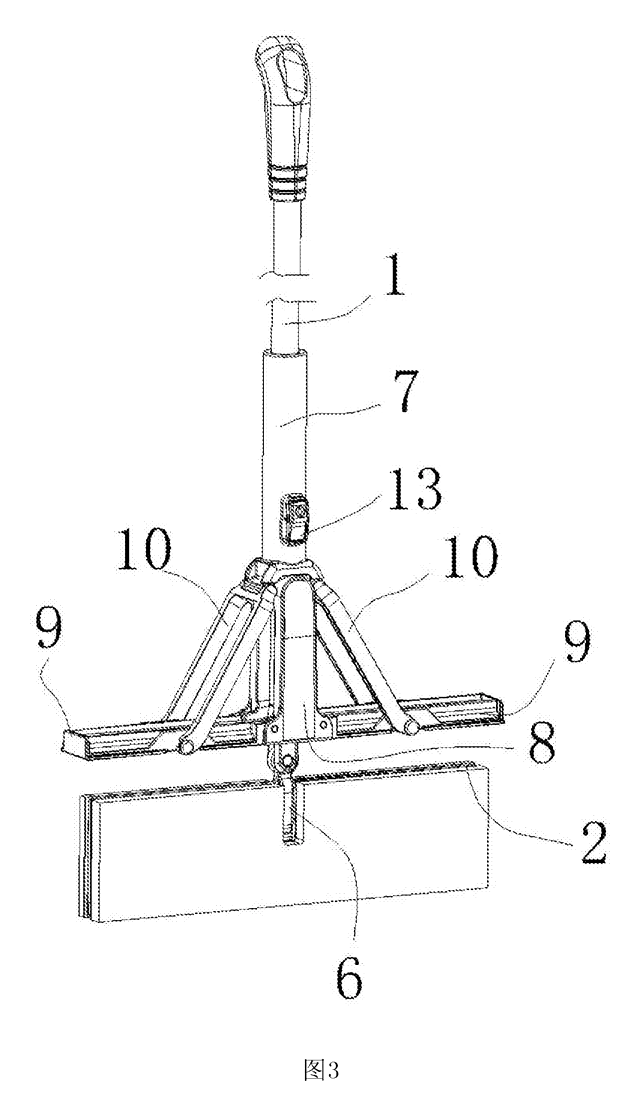
Home, Kitchen & Cleaning
Self-Wringing Flat Mop with Fold-Away Wringer
Flat mop with a built-in wringer that opens only when you wring and folds flat against the pole when you mop.
Patent CN207734114U
Home, Kitchen & Cleaning
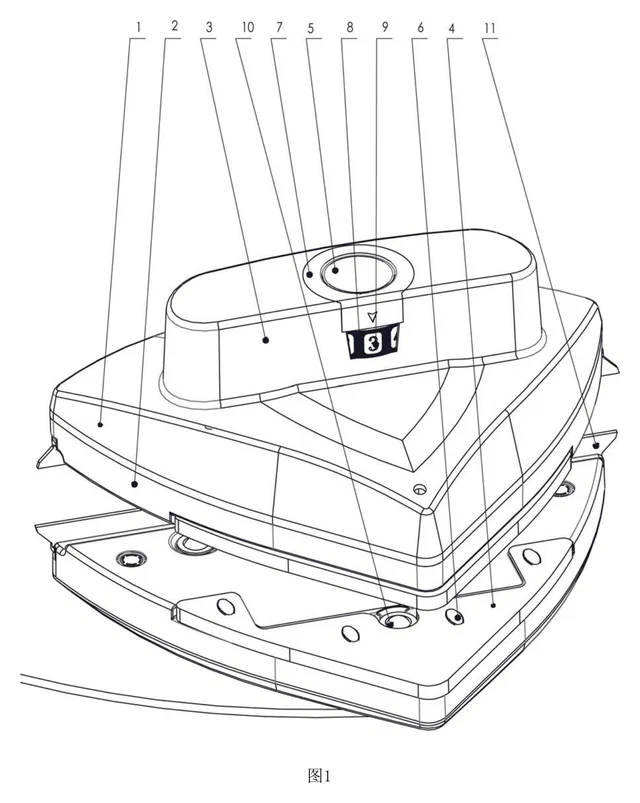
Magnetic Double-Sided Window Cleaner with Dial-Set Magnet Strength
Magnetic window cleaner with a sealed, sliding magnet, dial-set strength for different glass thicknesses and a spring-held idle position.
Patent CN209360543U
Home, Kitchen & Cleaning
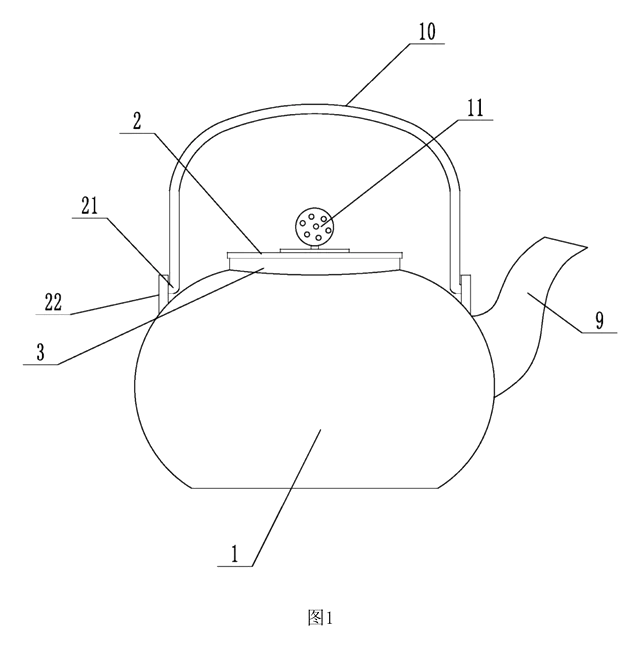
Metal Kettle with Magnetic Lid That Stays On When Pouring
Metal teapot/kettle with a magnet-held lid that does not fall off when pouring, and an insulated, vented lid knob.
Patent CN210540477U
Home, Kitchen & Cleaning
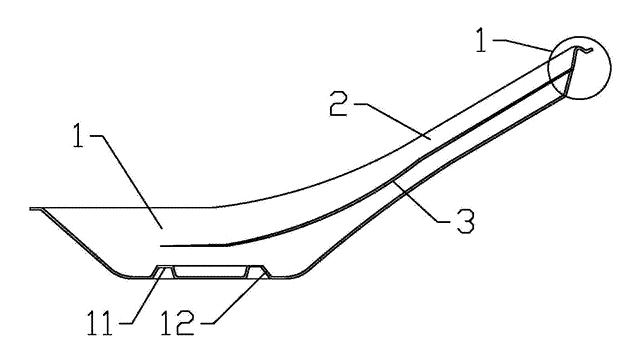
Reinforced Disposable Soup Spoon
Disposable soup spoon with a handle-to-bowl rib, stiffened edges and a ring foot to resist breaking.
Patent CN206964482U
Home, Kitchen & Cleaning
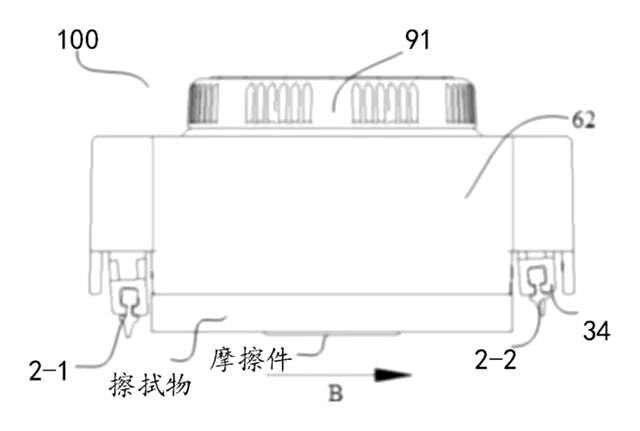
Self-Switching Double-Squeegee Window Cleaner
Cleaning head with two squeegee blades that switch automatically with the direction of movement.
Patent CN212630655U
Home, Kitchen & Cleaning
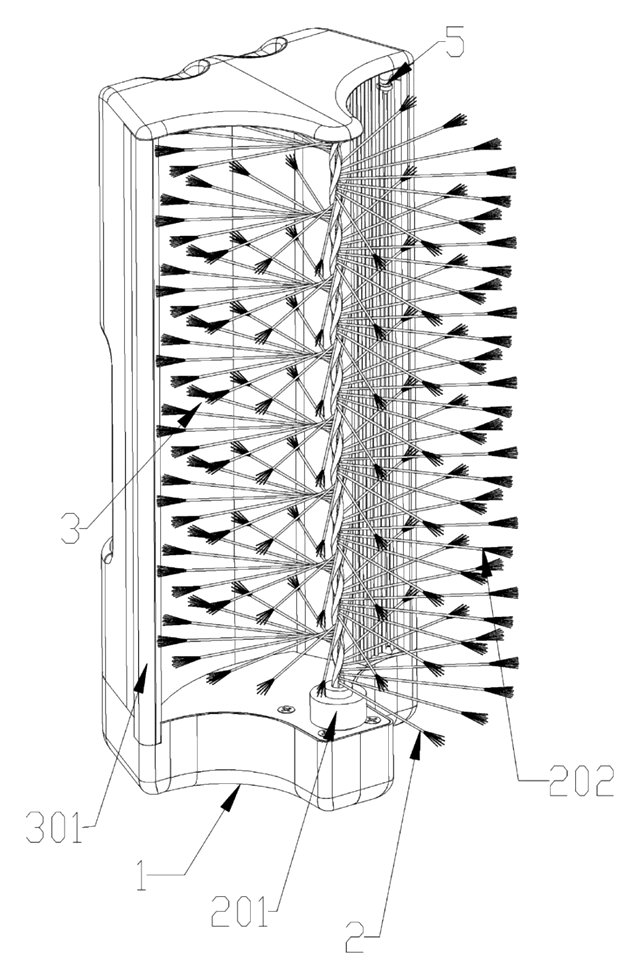
Self-Rinsing Roller Scrub Brush with Dirty-Water Tank
Powered roller brush that rinses and spins its bristles clean inside the body and stores the dirty water.
Patent CN210076909U
Browse by category
- Apparel & Accessories (22)
- Baby & Kids (16)
- Bags & Luggage (9)
- Bath & Personal Care (16)
- Car Accessories (10)
- Furniture, Bedding & Storage (12)
- Garden & Outdoor (18)
- Health & Wellness (8)
- Home, Kitchen & Cleaning (24)
- Lighting (12)
- Packaging & Containers (6)
- Pet Products (6)
- Phone & Camera Accessories (4)
- Retail Display (13)
- School, Office & Art (19)
- Sports & Recreation (25)
- Tools & Workshop (27)
- Toys & Games (12)
This page is based on the public patent document CN212488975U, assigned to Ningbo Haishu Liangpin Living Goods Co., Ltd.. IP2M is an independent manufacturing service and is not affiliated with, endorsed by or licensed by the patent owner. Images marked as concept renderings are illustrations, not photos of an existing product. Patent status information is provided for reference only and is not legal advice; confirm freedom to operate for your market before production. Full disclaimer.