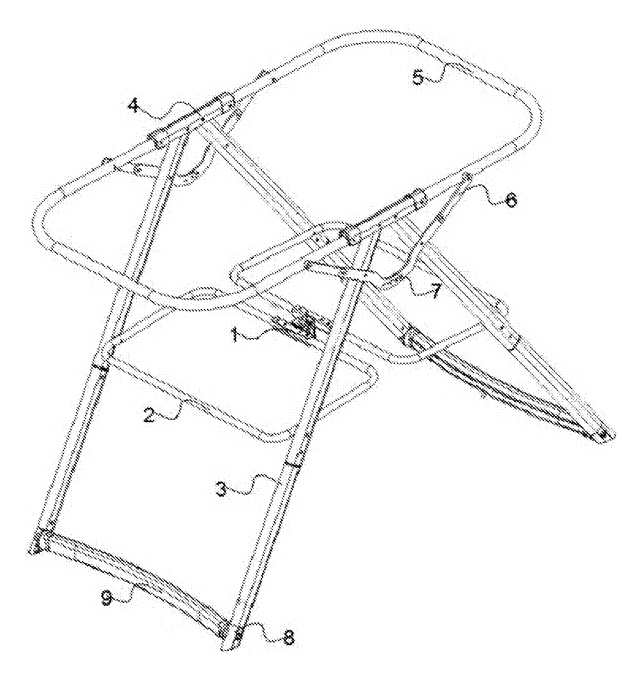
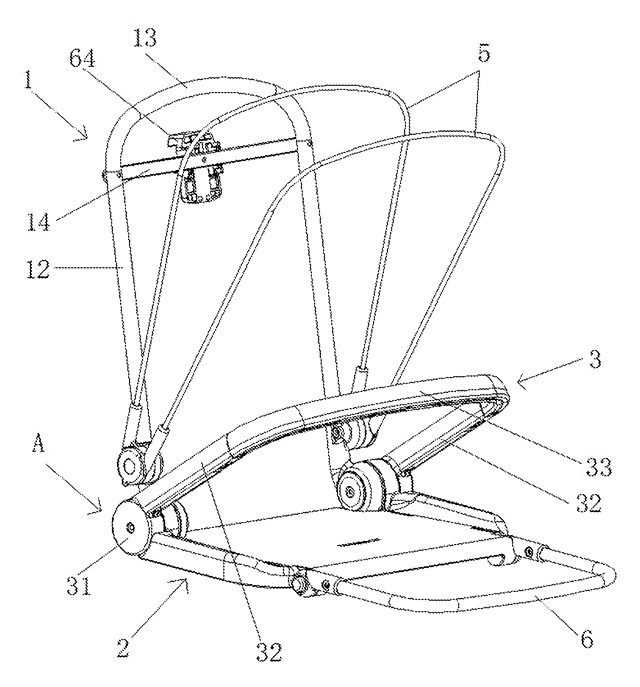
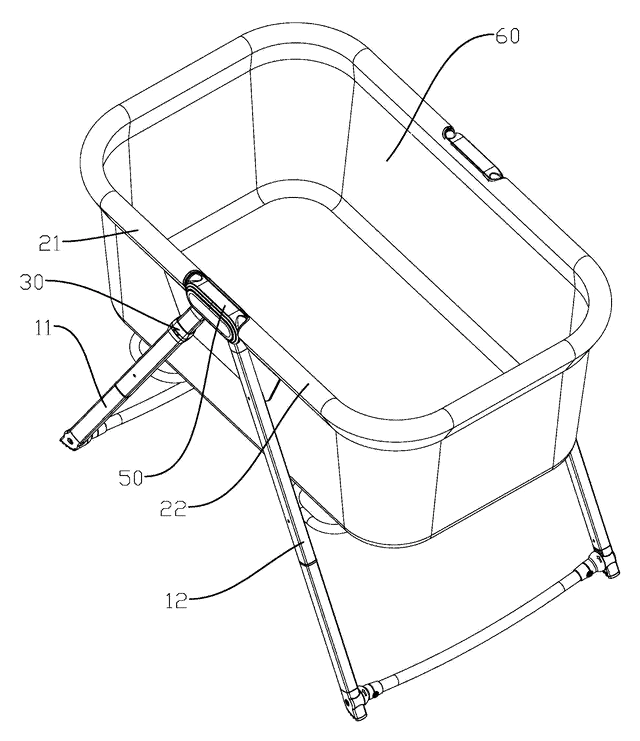
At a glance
| Patent number | CN213768690U (application CN202021870762) |
| Type | China utility model (实用新型) - protects product shape and structure |
| Original title | Baby stroller with movably-mounted seat (可活动安装座椅的婴儿推车) |
| Patent owner | Shaoxing Shangyu Rixing Hardware Products Co Ltd |
| Inventors | Zhao Guosong |
| Filing date | 2020-08-31 |
| Grant date | 2021-07-23 |
| Status (China) | Active - In force in China until at most 2030-08-31 (if annual fees are paid) |
| Patent family | Chinese filings only - no US, European, Japanese, PCT or other filings listed |
| Cited by | 0 later documents |
| Source | Google Patents (search for CN213768690U) |
What the claims cover, in plain language
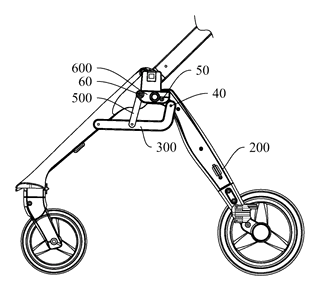
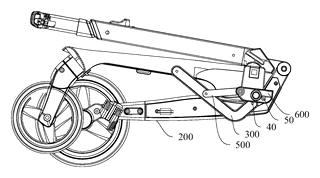
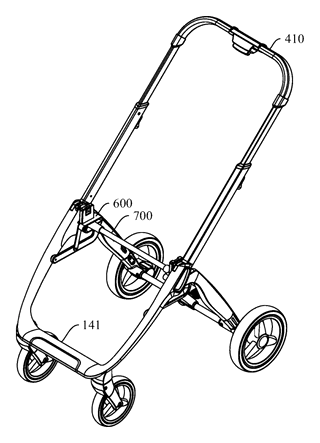
Claim 1 defines a baby stroller with a frame and a seat. The frame has two symmetrical side frames. Each side frame is a four-bar linkage made of a handle rod, front foot bar, connecting rod, and rear foot bar. There is a first hinge between the handle and front bar, and a second hinge between the handle and rear bar. An adapter is provided for the seat; its rear side hinges to the rear foot bar, and its front side connects to the connecting rod via a support bar.
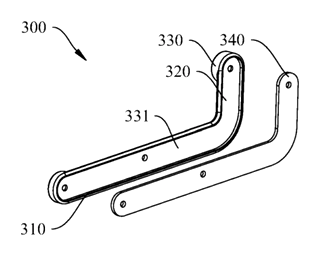
Claim 2 specifies that the adapter, link, support bar, and rear foot bar form a flexible four-bar linkage themselves. Claim 3 details the L-shaped connecting rod, with a transverse segment and an upturned segment, defining third and fourth hinge points. Claim 4 states the angle between the line connecting the first and second hinge points and the front foot bar is 0° to 15°. Claims 5-10 describe further hinge configurations, bends in the rear foot bar to aid folding, cross-bars connecting the two side adapters, and the collinearity of the handle and front bar with hidden extensions.
This is a simplified reading for orientation only. The legal scope is defined by the exact claim wording in the official Chinese document.
What this means for US production
This patent was filed only in China and is currently active. Making or selling this specific design in China requires the owner’s permission. However, since there are no corresponding patents in the US or Europe, the design itself is not restricted by this patent in those markets.
Two points to settle early:
- Other patents may exist. The baby stroller industry is heavily patented globally, especially regarding folding mechanisms, brake systems, and material safety. Major competitors like Bugaboo, UppaBaby, and Graco hold extensive portfolios. A freedom-to-operate (FTO) review is essential before launching any similar four-bar linkage design in the US market.
- Safety Standards Compliance. Regardless of patent status, all strollers sold in the US must meet strict federal safety regulations. The structural integrity described in the patent must be validated against these tests.
Customization and manufacturing
What can be customized
| Area | Options |
|---|---|
| Materials | Not named in the patent; tube alloy and the resin for hinges and adapters are selected in design. |
| Dimensions | Tube diameter, length of handle, and wheelbase can be adjusted for target age groups. |
| Finish | Powder coating, anodizing, or spray painting for frame colors. |
| Adapter Design | Quick-release button vs. twist-lock mechanisms for the seat mounting interface. |
| Linkage Geometry | Adjusting the 0-15 degree angle mentioned in Claim 4 to optimize folding size vs. stability. |
Things to plan for (US market)
- ASTM F833 - Standard Consumer Safety Specification for Carriages and Strollers. This covers structural integrity, folding mechanisms, and entrapment hazards.
- 16 CFR 1227 - Federal regulation mandating compliance with ASTM F833 for strollers sold in the US.
- CPSC Reporting - Mandatory reporting of defects or injuries related to the folding mechanism.
- Prop 65 - California requirements for labeling hazardous materials in plastics and finishes.
How a project runs
- Inquiry - Define target price, weight class, and folding dimensions.
- Design - CAD modeling of the four-bar linkage and adapter interface.
- Prototype - CNC machining or rapid prototyping of frame parts for fit and function testing.
- Testing - Drop tests, fatigue cycling, and ASTM F833 compliance checks.
- Production - Tube bending, injection molding for hinges/adapters, assembly, and QC.
Quantities & timeline
Tooling for injection molded plastic parts (adapters, hinges) takes 4-8 weeks. Metal frame bending fixtures take 2-4 weeks. Certification testing adds another 4-6 weeks. Send us your target weight, folding size, material preferences, quantity and target price and we will reply with options.
Patent drawings
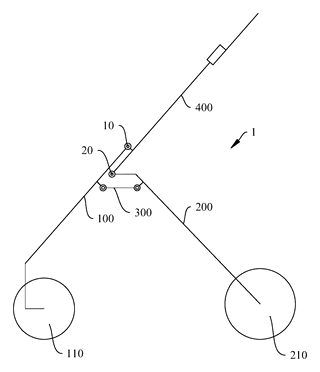
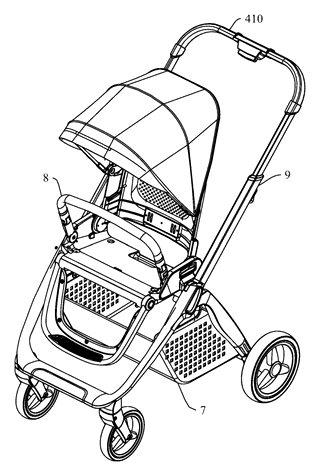
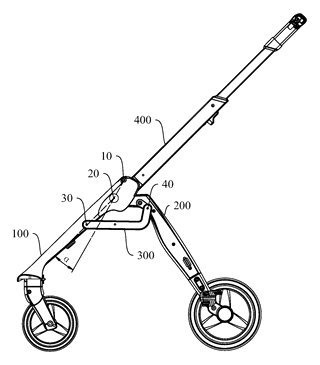
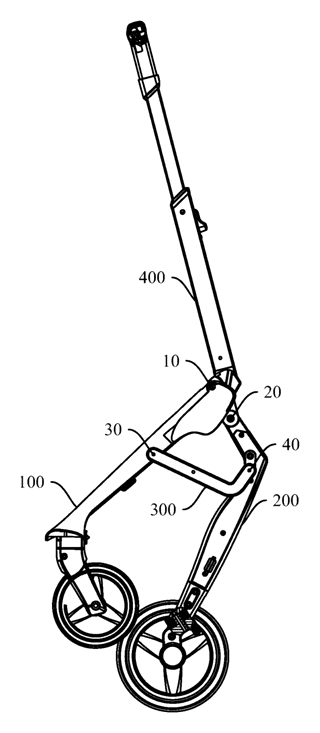
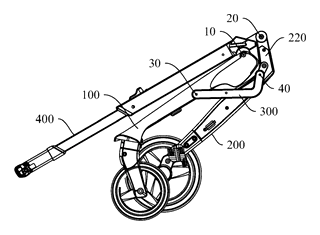
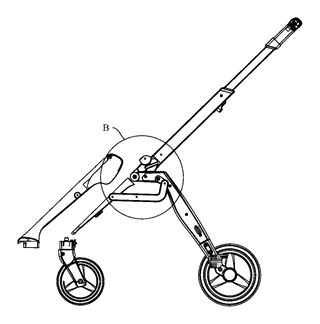
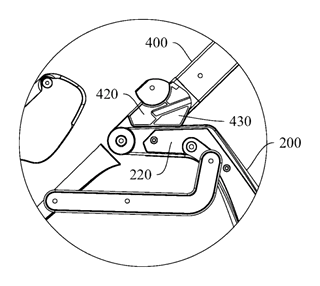
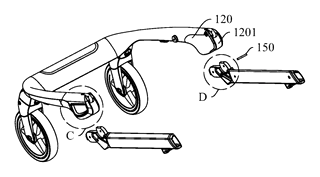
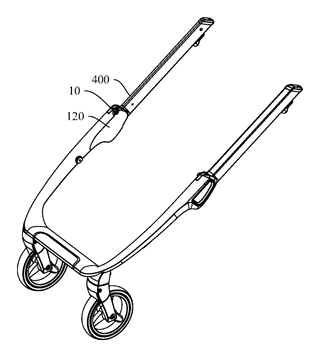
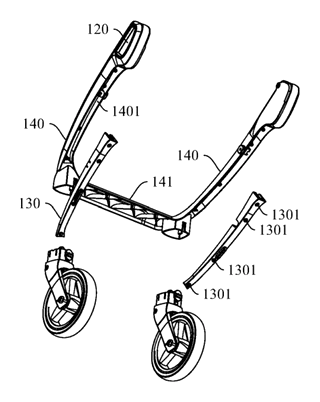
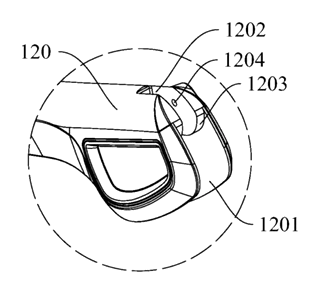
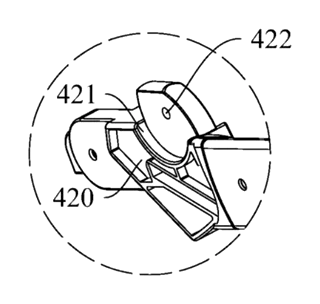
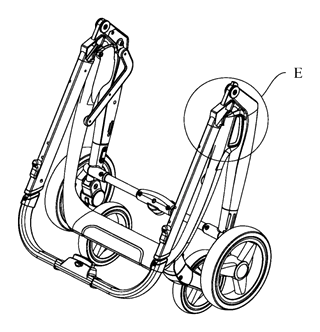
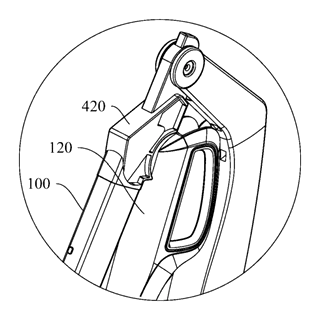
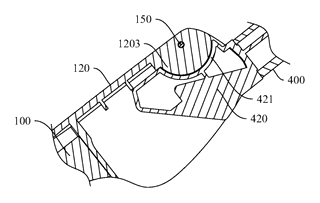
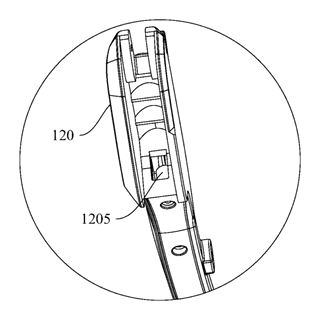
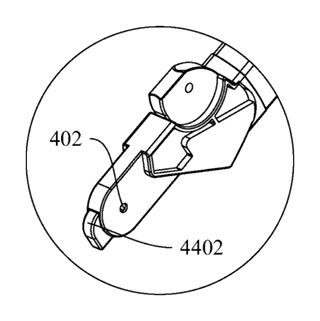
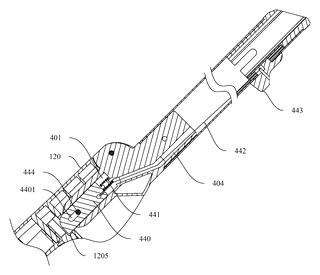
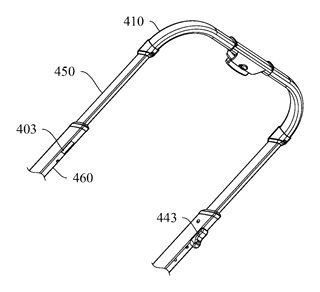
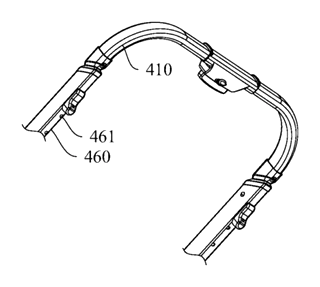
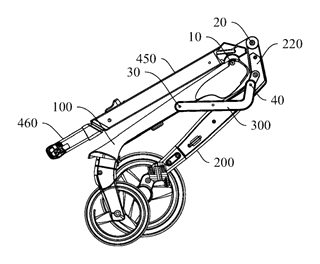
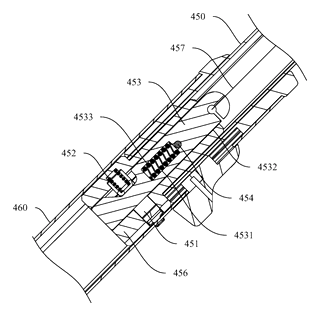
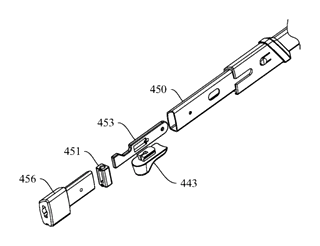
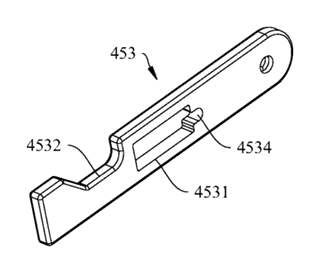
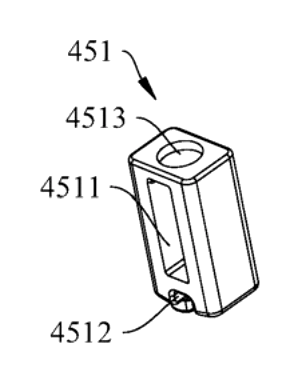
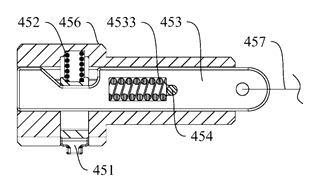
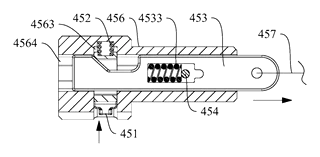
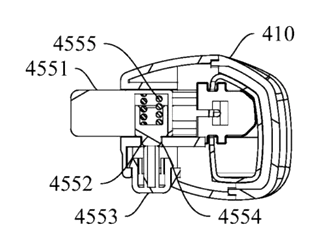
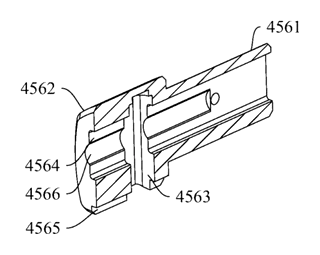
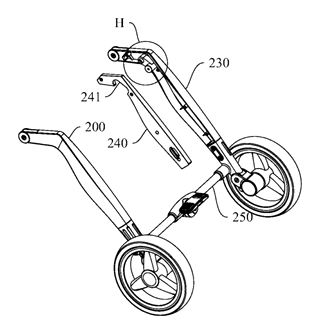
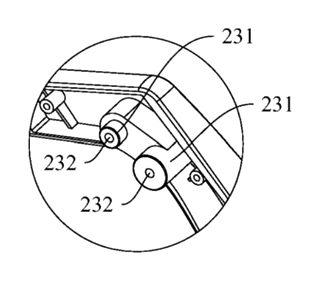
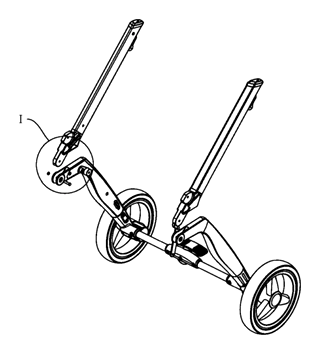
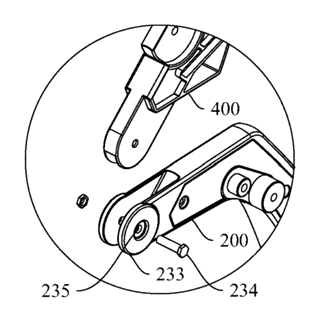
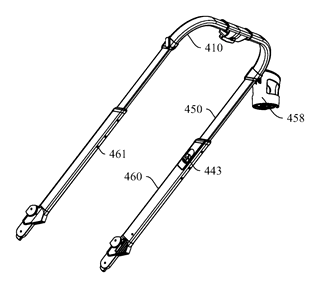
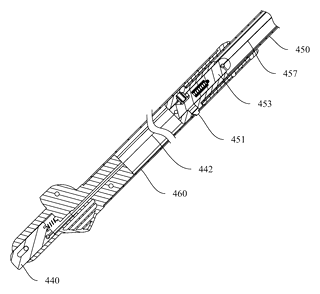
Drawings reproduced from the public patent document for reference.