
Patent CN216723354U
Updated October 25, 2026Heel-Less Carbon Plate Running Shoe Sole for Forefoot Strikers
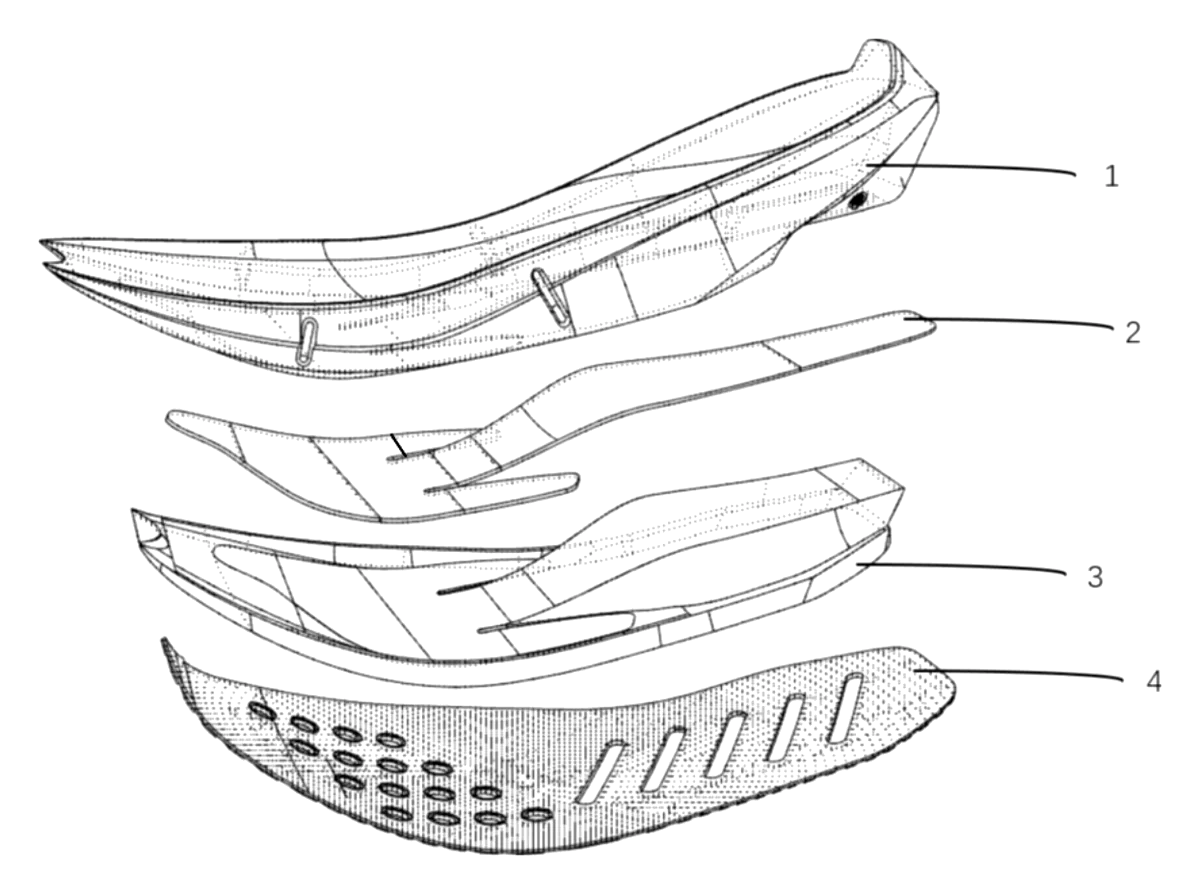
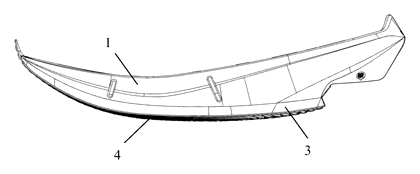
Most running shoes are built around the heel strike: a thick heel wedge that cushions the first contact. Runners who land on the ball of the foot carry that heel for nothing. This sole removes it. The upper midsole runs the full length of the foot, but the lower midsole and the outsole stop under the arch, so the heel part floats in the air. A carbon plate sits in a cavity between the two midsole layers; its rear section stiffens the floating heel, and two wings at the front - one under the big-toe side, one under the little-toe side - support the forefoot where a forefoot striker lands and pushes off.
- China utility model - in force in China until Jan 2032 at most
- No filings outside China
- Running shoes & performance footwear
- Foamed midsoles, carbon fiber plate, rubber outsole
Splat! What let you down?
👟
Floating heel
The lower midsole and outsole end at the arch, so the heel never touches the ground and the shoe carries less weight.
🪽
Winged carbon plate
Inner and outer wings under the first and fifth metatarsals support the forefoot at landing and push-off.
🧱
Plate between two midsoles
The plate sits in a matching groove of the upper midsole and is held by a fixing block on the lower midsole.
🦶
Built for forefoot strikers
Aimed at runners who land on the ball of the foot - a group most running shoes are not designed for.
Bring this product to market
- ✓ Patent vetted China-only family and legal status checked
- 2 Product brief · now How it works, uses and options written up
- 3 Prototype First samples for buyers to review
- 4 Pilot run Small first batch for launch customers
- 5 Volume production Repeat orders at scale
Buyer interest
– of 100 buyers needed to start prototyping
One click, no sign-up. Each vote is one real visitor, and products with the most interest go to prototyping first.
Build team: no members yet. Need a partner, co-funding or skills to build this? Join and we introduce the team once it forms.
The problem
Runners land in three ways: heel first, flat-footed, or on the forefoot. According to the patent, most running shoes on the market are designed for heel and midfoot strikers, and the few designs for forefoot strikers use a simple sole that does little for performance. A forefoot striker still carries a full heel stack that hardly touches the ground on each stride - weight with no job.
The solution
The patent builds the sole around the forefoot landing:
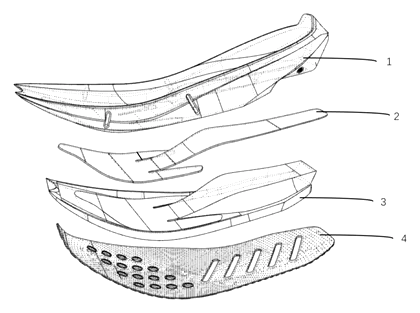
- An upper midsole (1) runs the full length of the foot - forefoot, arch and heel.
- A lower midsole (3) and an outsole (4) cover only the forefoot and arch. Under the heel there is nothing, so the heel of the upper midsole floats above the ground.
- A carbon plate (2) sits in a cavity between the two midsoles and runs from heel to toe.
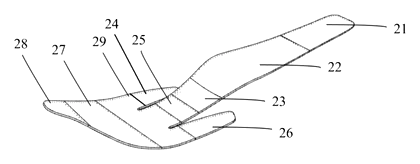
- The plate’s rear support section (21) lies against the underside of the floating heel and gives it bending stiffness, so the heel is supported without touching the ground.
- At the front, an inner wing (24) under the big-toe side and an outer wing (26) under the little-toe side spread the plate where the forefoot lands and rolls into push-off.
- A raised support region (22) in the arch puts the plate’s middle closer to the foot and its front closer to the ground.
Who it is for
- Running shoe brands and private-label footwear companies that want a distinct forefoot-strike model next to their heel-strike trainers - the floating heel is visible on the shelf and easy to explain.
- Track, trail and road racing specialists selling to experienced runners who already run on their forefoot and look for lighter racing shoes.
- Sports footwear importers looking for a carbon-plate design that is not a copy of the large US and European brands’ plates.
- Running clubs and coaching programs that order team shoes and teach forefoot technique.
How it works
The main parts
| No. | Part | What it does |
|---|---|---|
| 1 | Upper midsole | Full-length cushioning layer; its heel part floats. |
| 2 | Carbon plate | Stiffens the sole from heel to toe. |
| 21 | Support section | Rear of the plate, bonded under the floating heel. |
| 22 | Support region | Raised arch part of the plate. |
| 24 | Inner wing | Supports the big-toe side of the forefoot. |
| 26 | Outer wing | Supports the little-toe side, where a forefoot strike lands first. |
| 3 | Lower midsole | Forefoot and arch only; holds the plate from below. |
| 4 | Outsole | Forefoot and arch only, with a tread of holes and grooves. |
A stride, step by step
- Landing - according to the patent, a forefoot striker usually touches down on the outer front of the foot first; the outer wing (26) takes that load and passes it quickly to the forefoot.
- Roll-in - as the foot rotates slightly inward, the inner wing (24) supports the big-toe side.
- Push-off - the plate bends and springs back under the forefoot; the patent says this improves push-off efficiency.
- Heel - the floating heel, stiffened by the support section (21), gives the heel a resting surface without a ground-contact wedge.
Materials named in the patent
The patent describes the upper midsole as a light, soft, springy foam (it gives a hardness around Asker C 42) that can be made by supercritical or chemical foaming from materials such as nylon elastomers, TPU or EVA blends. Final foams and plate layups are chosen in development.
Applications
Forefoot racing shoes
A light road racer for runners who already land on the forefoot; the missing heel stack saves weight where it does nothing for them.
Track and tempo trainers
Faster sessions are run more on the forefoot; a plated, heel-less trainer suits interval and tempo days.
Running-technique and transition products
Brands that teach forefoot running can sell the shoe as part of a technique program, with clear guidance on gradual adaptation.
Sprint-inspired lifestyle sneakers
The floating heel is a strong visual feature; a softer, plate-free version can be developed as a fashion sneaker.
Team and club orders
Clubs coaching forefoot technique can order a team model with club colors on the upper.
Where it is less suitable
- Heel strikers and beginners - runners who land on the heel would land on an unsupported heel; the shoe must be marketed clearly for forefoot runners.
- Walking and all-day wear - walking is a heel-first motion, so this sole is not a walking shoe.
- Rough trails - a floating heel can catch on rocks and roots on technical terrain.
Frequently asked questions
Who is this shoe for?
Runners who land on the forefoot. The patent designs the sole for that landing style; heel strikers and walkers should use a conventional shoe.
Does the heel really not touch the ground?
Yes. The lower midsole and outsole stop under the arch, so the heel part of the upper midsole floats. The carbon plate’s rear section is bonded under it to keep it stiff.
What do the two wings on the plate do?
The outer wing supports the little-toe side, where a forefoot strike usually lands first; the inner wing supports the big-toe side as the foot rolls in before push-off.
Does it have to be real carbon fiber?
No. A carbon/glass blend or a nylon plate can be used for lower price points; stiffness and feel change, so each option is wear-tested.
How much lighter is it than a normal running shoe?
The patent gives no figure. Weight saving depends on the foams, the plate and the upper, and is measured on samples.
Can you make it in women’s and wide sizes?
Yes. The last, plate and molds are made per size range, so men’s, women’s and wide fits are planned at the design stage.
Can it carry our brand?
Yes. Upper, colorways, logos, insole print and packaging are yours; no brand elements of the patent owner are used.
Can this design be made and sold in the US?
The patent was filed only in China, so it does not restrict the design in the US. It is in force in China until January 2032 at most, and making or selling it there needs the owner’s permission. Carbon-plated running shoes may be covered by other US patents - see Patent & Production - so we recommend a freedom-to-operate check before volume production.
Are you affiliated with the patent owner?
No. IP2M is an independent design and manufacturing service working from the public patent document.
Request a quote
Click Request a Quote below to see our email address - copy it, or open your email app with a ready-made message. Please mention patent CN216723354U in the subject.
Helpful details to include:
- Your company and channel (running brand, specialty run store, team sales, online)
- Target runner and use (racing, tempo, training)
- Plate material and foam preference
- Size range and colorways
- Estimated quantity and target price
- Timeline - when you would like samples and the first shipment
You can also reach us at (332) 203-9997.
Explore this product
Interested in building this?
Tell us your target market, quantity and timeline. We reply with options for prototyping, small-batch runs or volume production.
Send your inquiry to
Please put CN216723354U in the subject line and tell us your company, country, estimated quantity and timeline.
Prefer to talk? Call (332) 203-9997.
More product-ready patents
All Apparel & Accessories patents →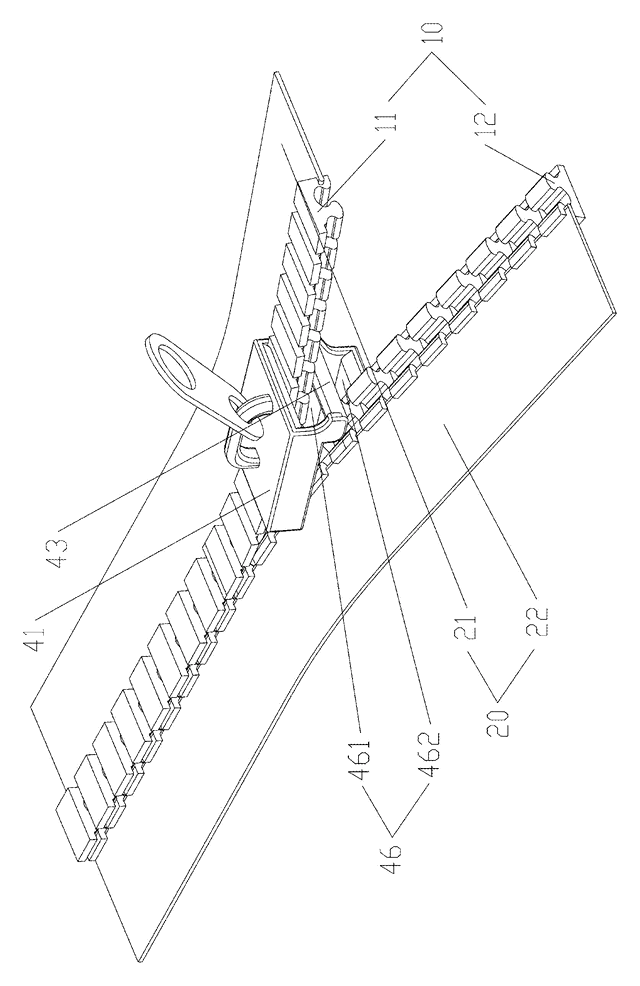
Apparel & Accessories
Stacked Zipper with Teeth That Mesh Top-to-Bottom
Zipper whose two identical tooth rows mesh on top of each other, closed by a simplified slider.
Patent CN205795062U
Apparel & Accessories
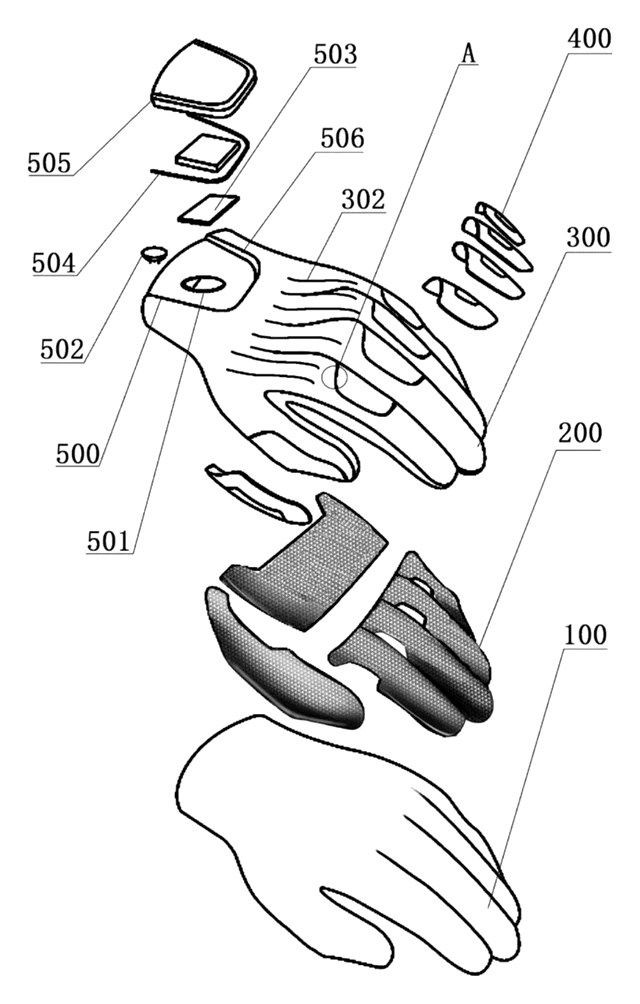
Impact-Resistant Glove with a 3D-Printed Lattice Layer
Work glove with a 3D-printed lattice impact layer, TPU knuckle guards and a light mounting area.
Patent CN213785583U
Apparel & Accessories
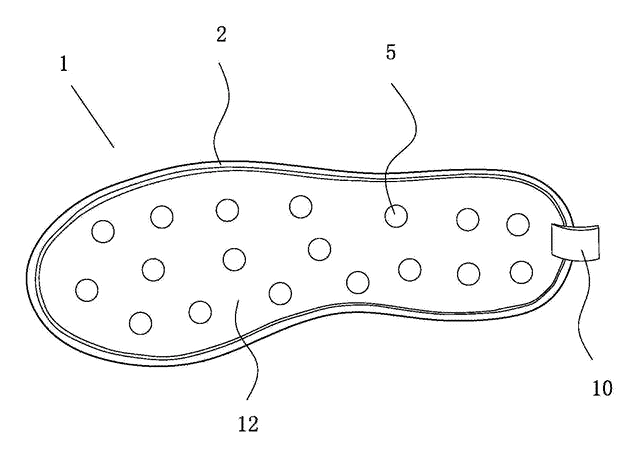
Massage Insole with Spring-Back Silicone Nubs and a Removable Top Layer
Layered insole: silicone nubs rise through a removable perforated top sheet and sink under each step.
Patent CN208286505U
Apparel & Accessories
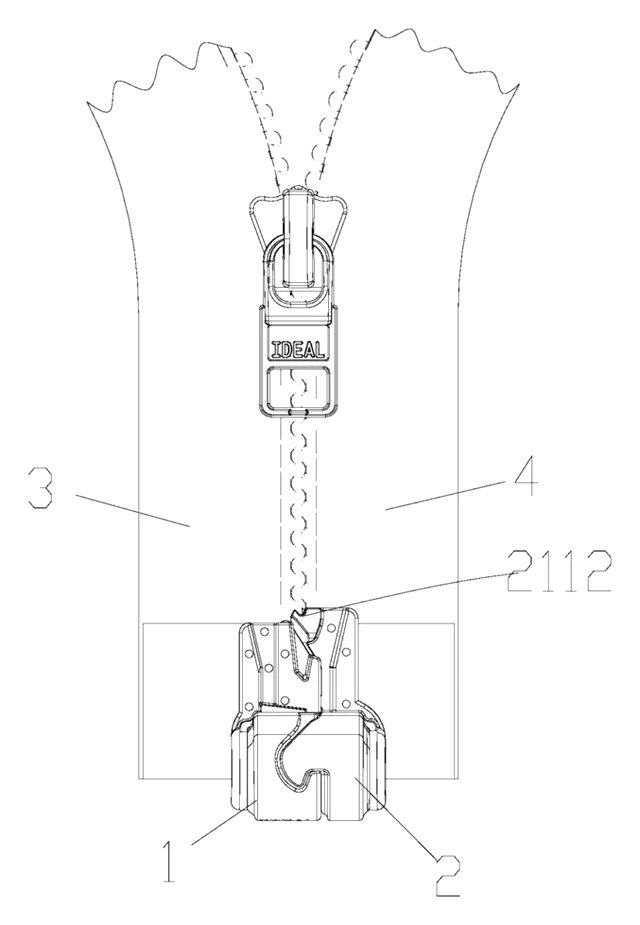
Waterproof Magnetic Zipper Stop That Snaps the Two Halves Together
Separating-zipper stop with sealed magnets: pin and box snap together one-handed, safe in rain and wash.
Patent CN215075936U
Apparel & Accessories
Left-Right Specific Soccer Socks: Grip for the Plant Foot, Touch Pads for the Kicking Foot
Soccer socks knitted as a left-right pair: grip zones for the plant foot, pads for the kicking foot.
Patent CN212728807U
Apparel & Accessories
Self-Sheathing Telescopic Umbrella That Opens and Retracts into Its Own Tube
Umbrella stored in its own sleeve: pull and push the handle to open, reverse to draw the wet canopy in.
Patent CN206729396U
Browse by category
- Apparel & Accessories (22)
- Baby & Kids (16)
- Bags & Luggage (9)
- Bath & Personal Care (16)
- Car Accessories (10)
- Furniture, Bedding & Storage (12)
- Garden & Outdoor (18)
- Health & Wellness (8)
- Home, Kitchen & Cleaning (24)
- Lighting (12)
- Packaging & Containers (6)
- Pet Products (6)
- Phone & Camera Accessories (4)
- Retail Display (13)
- School, Office & Art (19)
- Sports & Recreation (25)
- Tools & Workshop (27)
- Toys & Games (12)
This page is based on the public patent document CN216723354U, assigned to Li Ning (China) Sports Goods Co., Ltd.. IP2M is an independent manufacturing service and is not affiliated with, endorsed by or licensed by the patent owner. Images marked as concept renderings are illustrations, not photos of an existing product. Patent status information is provided for reference only and is not legal advice; confirm freedom to operate for your market before production. Full disclaimer.