
Patent CN219396873U
Updated November 1, 2026One-Touch Sealing Cup Lid with Rotating Plug and Spring Return
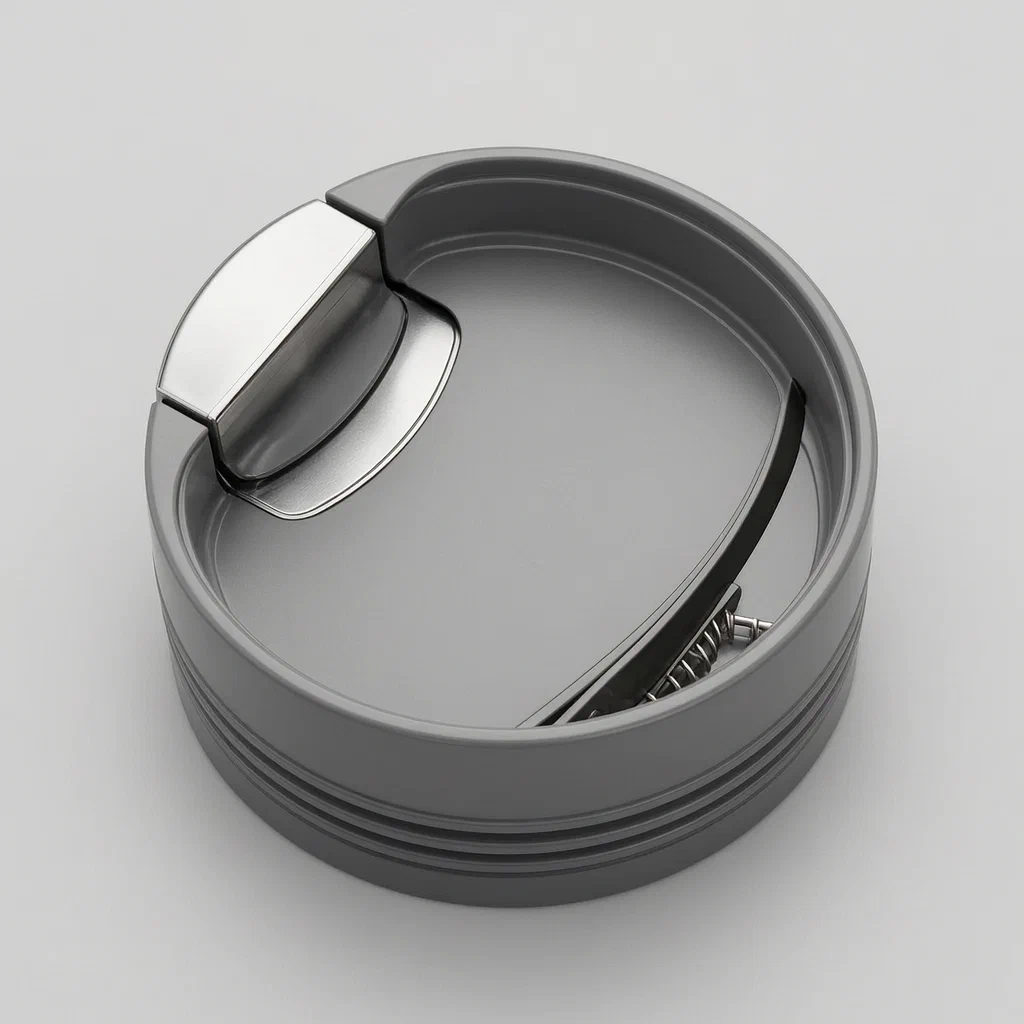
Standard flip-top or screw-on lids require two hands or awkward wrist movements to open, often leading to spills if the user is distracted. This utility model solves this by integrating a mechanical linkage into the lid body. It uses a sliding external button connected to an internal rotating lever. When the button is pushed toward the drinking port, the lever rotates and flips the internal sealing plug open. A spring mechanism automatically returns the plug to the sealed position when released. The result is a single-action opening mechanism that keeps liquids contained until intentionally accessed.
- China utility model - active
- No filings outside China
- Drinkware & Tableware
- Rotating plug, sliding actuator, spring return
Splat! What let you down?
👆
One-Touch Action
Push the external slider once to open the drinking port; no twisting or flipping required.
🔒
Automatic Seal
A reset piece keeps the sealing plug closed when not actively pushed, preventing leaks.
⚙️
Internal Linkage
A rotating transmission member converts linear slide motion into rotational plug movement.
💧
Leak Protection
The plug rotates against the inner wall to block the opening, suitable for travel cups.
Bring this product to market
- ✓ Patent vetted China-only family and legal status checked
- 2 Product brief · now How it works, uses and options written up
- 3 Prototype First samples for buyers to review
- 4 Pilot run Small first batch for launch customers
- 5 Volume production Repeat orders at scale
Buyer interest
– of 100 buyers needed to start prototyping
One click, no sign-up. Each vote is one real visitor, and products with the most interest go to prototyping first.
Build team: no members yet. Need a partner, co-funding or skills to build this? Join and we introduce the team once it forms.
The problem
Many portable drink containers rely on simple flip caps or screw tops. Flip caps can accidentally pop open during transport if the latch fails or gets bumped, causing spills. Screw tops require two hands to unscrew and tighten, which is inconvenient when holding the cup with one hand or driving. Additionally, some existing one-button designs use complex springs that fatigue quickly or fail to create a tight seal against pressure changes, leading to leaks from hot beverages or carbonated drinks. Users need a mechanism that opens instantly with one touch but seals reliably without manual intervention when released.
The solution
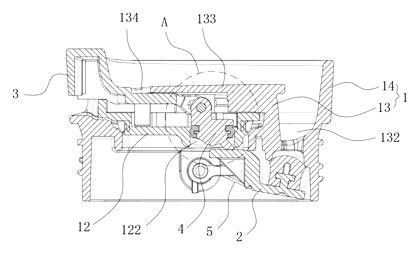
This utility model introduces a cup lid with a dedicated sealing device integrated into the lid body. The core of the solution is a mechanical linkage system consisting of three main components: a sealing piece (plug), an operating piece (external slider/button), and a transmission piece (internal lever).
- The sealing piece is rotatably connected to the inner wall of the lid. It has two positions: a first position where it blocks the drinking opening (sealed) and a second position where it moves away to allow flow (open).
- A reset piece (such as a spring) connects the sealing piece to the lid, biasing it toward the first (closed) position.
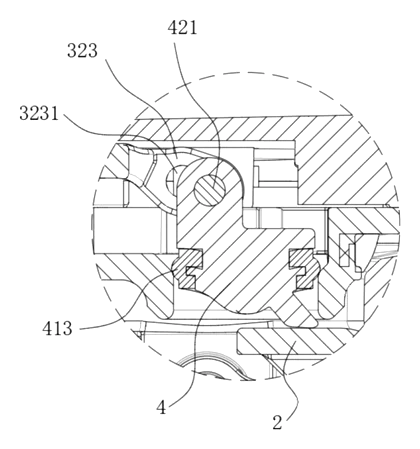
- The operating piece consists of an external handle and an internal sliding part. The sliding part engages with a first sliding groove located on a mounting plate inside the lid.
- The transmission piece is rotatably mounted on the same mounting plate. Its upper end connects to the sliding part of the operating piece, and its lower end abuts against the sealing piece.
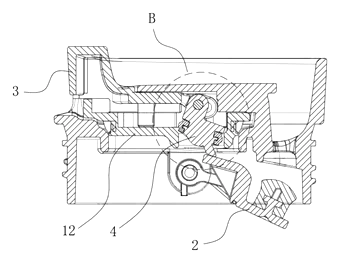
- When the user pushes the operating piece toward the drinking opening, the sliding part moves along the groove. This motion rotates the transmission piece relative to the mounting plate.
- As the transmission piece rotates, its lower end pushes the sealing piece, overcoming the force of the reset piece, and flips the sealing piece to the second (open) position.
- Upon release, the reset piece returns the sealing piece to the closed position.
Who it is for
- Travel Mug Manufacturers: Brands producing insulated steel or plastic tumblers who want a reliable leak-proof mechanism that doesn’t require complex electronics.
- Promotional Product Suppliers: Companies sourcing custom-branded drinkware where ease of use and spill prevention are key selling points for corporate gifts.
- Outdoor Gear Brands: Makers of hydration accessories for hiking or camping where one-handed operation is valuable but battery-free reliability is mandatory.
- Private Label Drinkware Sellers: Amazon sellers looking for differentiated designs that offer a “push-to-open” feature distinct from standard flip-lids.
How it works
The main parts
The mechanism relies on converting linear motion into rotational motion within the confined space of the lid.
| No. | Part | What it does |
|---|---|---|
| 1 | Lid Main Body | Houses the mechanism and provides the outer shell with the drinking opening. |
| 2 | Sealing Piece | Rotatable plug that physically blocks or unblocks the drinking port. |
| 3 | Reset Piece | Keeps the sealing piece in the closed position when not pushed. |
| 4 | Operating Piece | External slider with an internal sliding part; user interacts with this. |
| 5 | Transmission Piece | Internal lever that rotates to push the sealing piece open. |
| 6 | Mounting Plate | Internal structure holding the sliding groove and pivot point for the transmission piece. |
| 7 | Sliding Groove | Track on the mounting plate that guides the operating piece’s movement. |
Operating Steps
- Closed State: The reset piece holds the sealing piece against the drinking opening, creating a seal. The operating piece rests at its starting position.
- Activation: The user presses the external part of the operating piece and slides it toward the drinking opening.
- Linkage Motion: The internal sliding part moves along the first sliding groove on the mounting plate. This linear movement drives the upper end of the transmission piece.
- Rotation: The transmission piece rotates around its pivot on the mounting plate.
- Opening: The lower end of the transmission piece pushes against the sealing piece, forcing it to rotate away from the opening to the second position.
- Drinking: With the sealing piece rotated aside, the liquid can be poured or sipped through the now-unblocked drinking opening.
- Release: When the user stops pushing, the reset piece pulls the sealing piece back to the first position, re-sealing the opening.
Applications
Commuter Travel Cups
Drivers and commuters benefit from the one-touch opening, allowing them to sip coffee safely with one hand while keeping the other on the steering wheel. The automatic reseal prevents spills if the cup is jostled.
Gym and Fitness Bottles
During workouts, users often have sweaty hands or limited grip strength. The push-slider mechanism requires minimal force compared to twisting a cap, making it easier to hydrate quickly between sets.
Office Desk Ware
In busy office environments, accidental knocks are common. Since the lid stays sealed unless deliberately pushed, documents and electronics on the desk remain safe from coffee spills caused by loose flip-latches.
Outdoor and Camping Hydration
For hikers and campers, reliability is paramount. This purely mechanical design avoids the failure modes of electronic locks or brittle plastic latches, offering a robust solution for rough handling in backpacks.
Where it is less suitable
- High-Pressure Carbonation: While sealed, the rotating plug may not withstand extreme internal pressures from heavily carbonated beverages compared to threaded screw caps.
- Very Small Diameters: The mechanism requires space for the sliding groove and transmission lever, making it difficult to implement in very narrow-necked bottles under about 20 mm diameter.
- Sterile Medical Use: The multiple moving parts and crevices in the mechanism make thorough sterilization difficult, limiting suitability for medical-grade fluid containers.
Frequently asked questions
How does the one-touch opening work?
You push the external slider toward the drinking port. Inside the lid, this slider rotates a lever (the transmission piece), which flips the internal sealing plug open. When you let go, a spring automatically snaps the plug back shut.
Is it leak-proof?
The patent describes a sealing piece that rotates against the inner wall to block the opening, assisted by a reset piece. In practical application, leak resistance depends on the precision of the mold, the quality of the silicone seal, and proper assembly. We recommend rigorous drop and pressure testing during the prototyping phase.
Can I clean the mechanism easily?
The mechanism is integrated into the lid body. Depending on the final design, the lid may be disassemblable for deep cleaning. Standard dishwasher safety should be verified based on the chosen plastics and adhesives used in production.
What materials are used?
The patent mentions a “sealing ring” and plastic/metal components for the structure. Common industry choices include Polypropylene (PP) or Tritan for the lid body, and food-grade Silicone for the seals. Specific material grades are selected during the design phase to meet FDA requirements.
Does it work with hot liquids?
Yes, provided the materials are heat-resistant. The mechanical action itself is not affected by temperature, but thermal expansion of the plastics could affect the seal tolerance. Designers typically account for this by choosing materials with low thermal expansion coefficients or adding slight tolerances in the mold.
Can this design be made and sold in the US?
The patent is currently in force in China. However, since there are no corresponding US patents filed by this owner, this specific patent number does not restrict sales in the US. You must still conduct a freedom-to-operate search to ensure no other US patents cover similar one-touch mechanisms before launching.
Are you affiliated with the patent owner?
No. IP2M is an independent design and manufacturing service working from the public patent document.
Request a quote
Click Request a Quote below to see our email address - copy it, or open your email app with a ready-made message. Please mention patent CN219396873U in the subject.
Helpful details to include:
- Your company and channel (drinkware brand, promotional goods supplier, outdoor gear maker)
- Target bottle neck size (e.g., 51mm, 58mm) and capacity
- Material preferences (Plastic type, seal material, color)
- Features (Insulation compatibility, dishwasher safe requirements)
- Estimated quantity and target price
- Timeline - when you would like samples and the first shipment
You can also reach us at (332) 203-9997.
Explore this product
Interested in building this?
Tell us your target market, quantity and timeline. We reply with options for prototyping, small-batch runs or volume production.
Send your inquiry to
Please put CN219396873U in the subject line and tell us your company, country, estimated quantity and timeline.
Prefer to talk? Call (332) 203-9997.
More product-ready patents
All Home, Kitchen & Cleaning patents →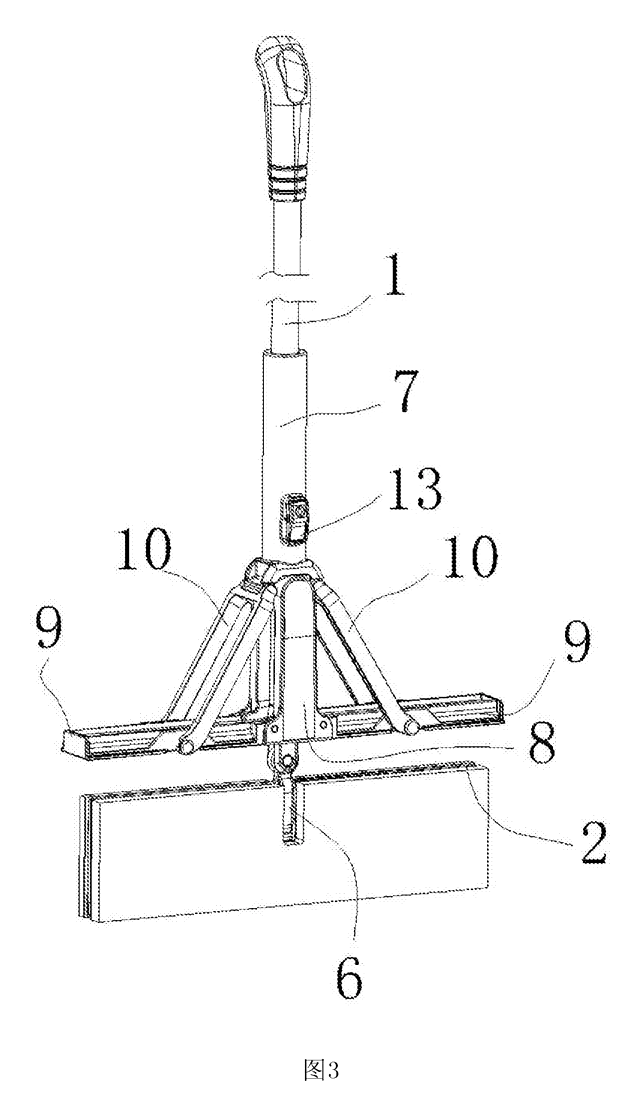
Home, Kitchen & Cleaning
Self-Wringing Flat Mop with Fold-Away Wringer
Flat mop with a built-in wringer that opens only when you wring and folds flat against the pole when you mop.
Patent CN207734114U
Home, Kitchen & Cleaning
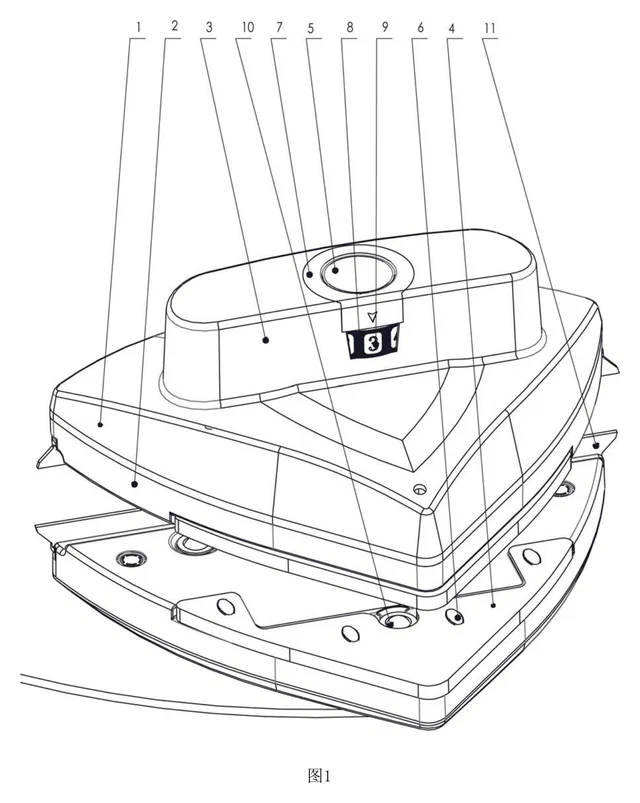
Magnetic Double-Sided Window Cleaner with Dial-Set Magnet Strength
Magnetic window cleaner with a sealed, sliding magnet, dial-set strength for different glass thicknesses and a spring-held idle position.
Patent CN209360543U
Home, Kitchen & Cleaning
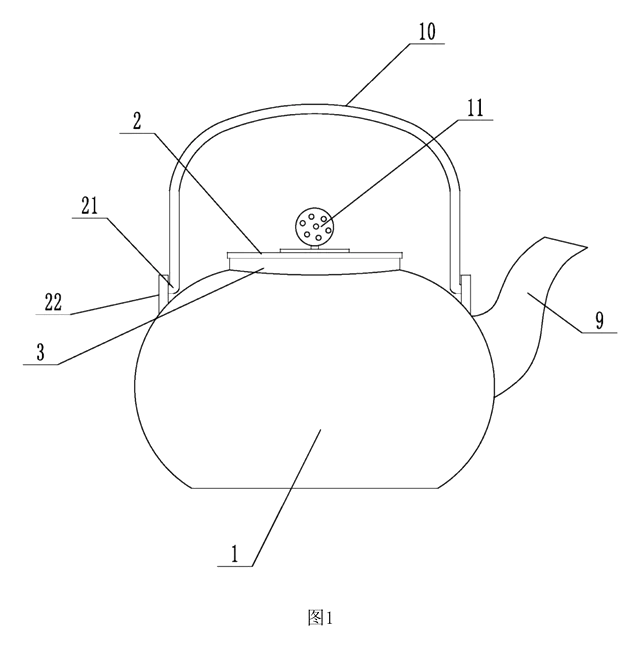
Metal Kettle with Magnetic Lid That Stays On When Pouring
Metal teapot/kettle with a magnet-held lid that does not fall off when pouring, and an insulated, vented lid knob.
Patent CN210540477U
Home, Kitchen & Cleaning
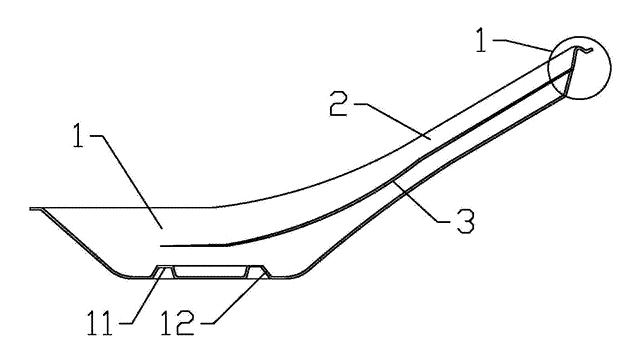
Reinforced Disposable Soup Spoon
Disposable soup spoon with a handle-to-bowl rib, stiffened edges and a ring foot to resist breaking.
Patent CN206964482U
Home, Kitchen & Cleaning
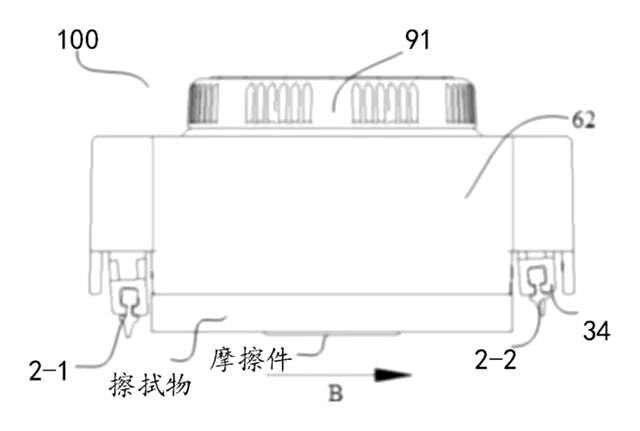
Self-Switching Double-Squeegee Window Cleaner
Cleaning head with two squeegee blades that switch automatically with the direction of movement.
Patent CN212630655U
Home, Kitchen & Cleaning
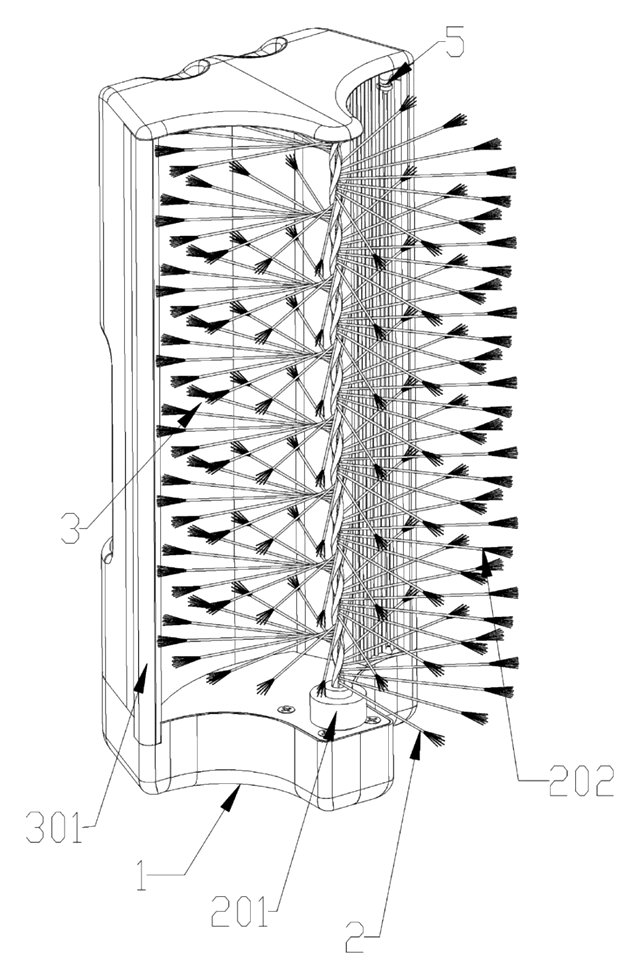
Self-Rinsing Roller Scrub Brush with Dirty-Water Tank
Powered roller brush that rinses and spins its bristles clean inside the body and stores the dirty water.
Patent CN210076909U
Browse by category
- Apparel & Accessories (25)
- Baby & Kids (19)
- Bags & Luggage (12)
- Bath & Personal Care (19)
- Car Accessories (14)
- Furniture, Bedding & Storage (14)
- Garden & Outdoor (21)
- Health & Wellness (9)
- Home, Kitchen & Cleaning (31)
- Lighting (14)
- Packaging & Containers (7)
- Pet Products (7)
- Phone & Camera Accessories (5)
- Retail Display (15)
- School, Office & Art (21)
- Sports & Recreation (28)
- Tools & Workshop (33)
- Toys & Games (15)
This page is based on the public patent document CN219396873U, assigned to Guangdong Musen Commodity Co ltd. IP2M is an independent manufacturing service and is not affiliated with, endorsed by or licensed by the patent owner. Images marked as concept renderings are illustrations, not photos of an existing product. Patent status information is provided for reference only and is not legal advice; confirm freedom to operate for your market before production. Full disclaimer.