At a glance
| Patent number | CN221690199U (application CN202320604643) |
| Type | China utility model (实用新型) - protects product shape and structure |
| Original title | Novel mirror and cap with rotary transparent mirror (一种新型面镜及有旋转透明面镜的帽子) |
| Patent owner | Individual (Luo Jia) |
| Inventors | Luo Jia |
| Filing date | 2023-03-18 |
| Grant date | 2024-09-13 |
| Status (China) | In force - valid until at most 2033-03-18, provided annual fees are paid |
| Patent family | Chinese filings only - no US, European, Japanese, PCT or other filings listed |
| Cited by | 0 later documents |
| Source | Google Patents (search for CN221690199U) |
What the claims cover, in plain language
Claim 1 - A hat body and a transparent face mirror (12) fixed by two rivets. A fan device is connected to the mirror. The key feature is the position: when the mirror rotates down, the fan’s air outlet is located in front of the mouth and nose.
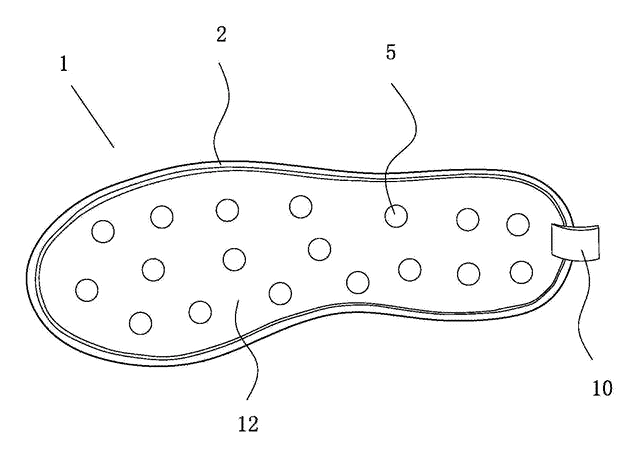
Claim 2 - The fan’s air inlet has an air filter device. This includes a detachable frame (21) holding filter cloth (2).
Claim 3 - Describes a variant where the mirror has a hollow hole; the fan frame connects to this hole. The outlet is on the inner side of the mirror, inlet on the outer side.
Claim 4 - Details the connection rods between the mirror and the filter frame, creating gaps for air circulation. The filter cloth edge seals the inlet.
Claim 5 - The fan device is fixed to the mirror’s inner side using an elastic clip.
Claim 6 - Mentions connecting a negative ion generator to the air inlet.
Claim 7 - The hat body can be a hard helmet.
Claim 8 - The hat body can be a glasses frame.
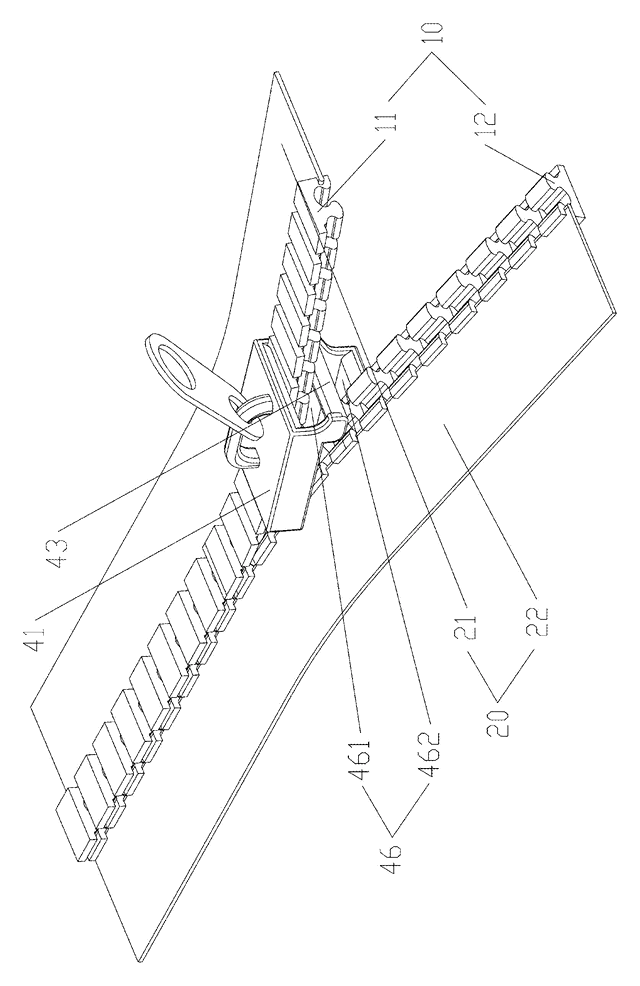
Claim 9 - Describes the motor fixing frame (4) as a concave tube with openings. The motor is inside. Air flows from the central opening near the hat body to the inward opening far from the hat body.
This is a simplified reading for orientation only. The legal scope is defined by the exact claim wording in the official Chinese document.
What this means for US production
This patent was filed only in China and is currently in force there. Making or selling this specific configuration in China requires the owner’s permission. It has no US counterpart.
Two points to settle early:
- Other patents may exist. Headwear with fans and personal air purifiers is a crowded field. Major electronics and apparel brands hold numerous patents on similar mechanisms. A freedom-to-operate (FTO) review is essential before launching in the US to avoid infringing on existing US patents regarding fan integration, filter housings, or rotating shield mechanisms.
- Component sourcing. The design relies on specific miniaturized motors, batteries, and flexible materials for the mirror. Supply chain verification is needed to ensure these components meet safety standards for consumer electronics.
Customization and manufacturing
What can be customized
| Area | Options |
|---|---|
| Hat Body | Baseball cap, bucket hat, hard shell helmet, or visor base. |
| Mirror Material | Polycarbonate, acrylic, or tinted variants for UV protection. |
| Fan Speed | Single-speed, multi-step, or variable PWM control. |
| Filter Type | Disposable non-woven cloth, washable mesh, or HEPA-grade inserts. |
| Power Source | Built-in lithium-ion battery, USB-C charging port, or removable cell pack. |
| Attachment | Magnetic clips, snap-fit frames, or screw-fixed modules for easy removal. |
Things to plan for (US market)
- CPSC Regulations: General safety rules for consumer products apply. If marketed to children, stricter ASTM F963 toy safety standards may apply depending on classification.
- Battery Safety: Lithium-ion batteries must comply with UN 38.3 transport regulations and likely UL 2054 or equivalent safety standards for household batteries.
- Electrical Certification: The motor and charging circuitry should be evaluated for FCC Part 15 compliance (EMC/interference) even if unpowered, due to digital switching noise.
- FDA Considerations: If marketed with health claims (e.g., “prevents respiratory disease”), FDA medical device regulations could trigger. Stick to comfort and hygiene claims unless seeking clearance.
How a project runs
- Inquiry - Define target demographic, hat style, and battery capacity requirements.
- Design - CAD modeling of the mirror pivot, fan housing integration, and electrical layout.
- Prototype - 3D printed shells, sample motors, and initial filter fitting tests.
- Pilot Run - Small batch assembly to test durability of rivets and clips, and noise levels.
- Production - Injection molding for plastic parts, PCB assembly, final assembly, and packaging.
Quantities & timeline
Tooling for the hat body depends on the chosen style (soft goods vs. hard mold). The fan housing and mirror frame require precision molds to ensure smooth rotation and airtight sealing. Battery certification takes time. Send us your target hat style, battery specs, filter type, quantity and target price and we will reply with options.
Patent drawings
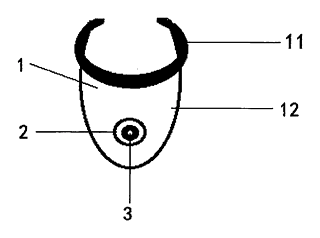
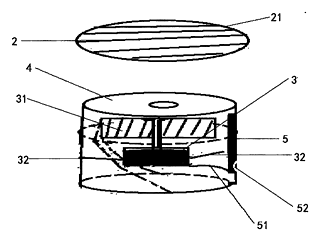
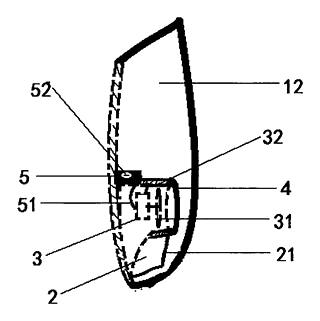
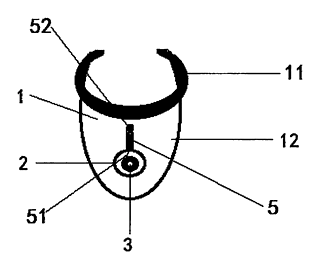
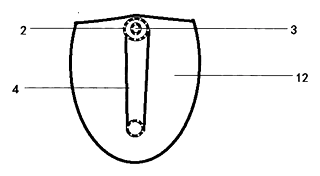
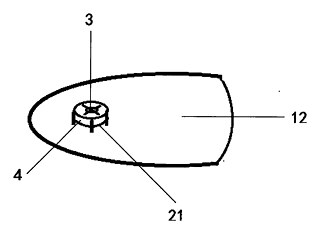
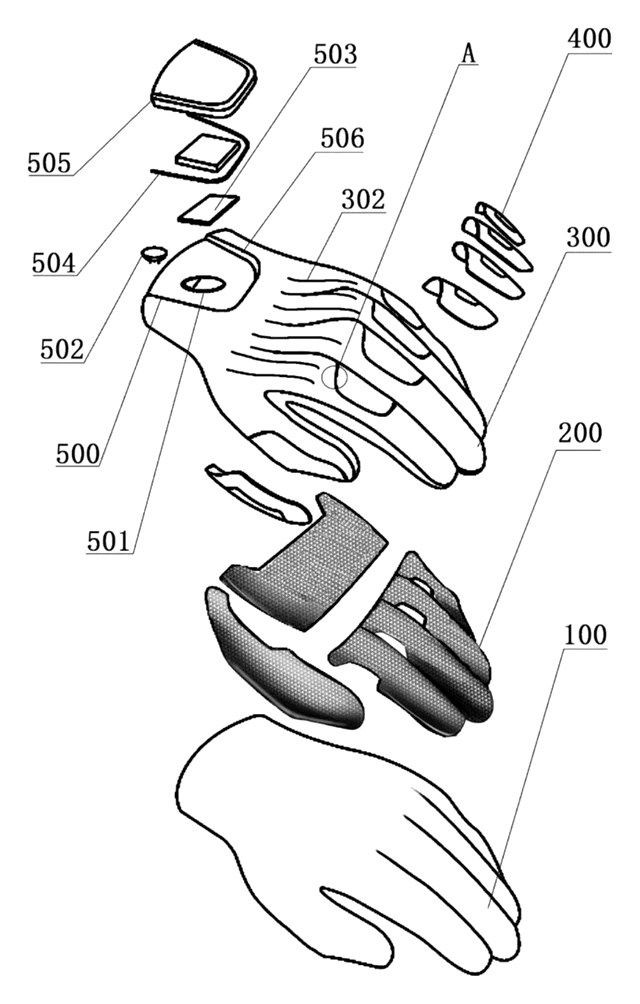
Drawings reproduced from the public patent document for reference.