
Patent CN116215115B
Updated November 8, 2026Jumping Ballpoint Pen Refill with Spring-Loaded Ink Conveyance
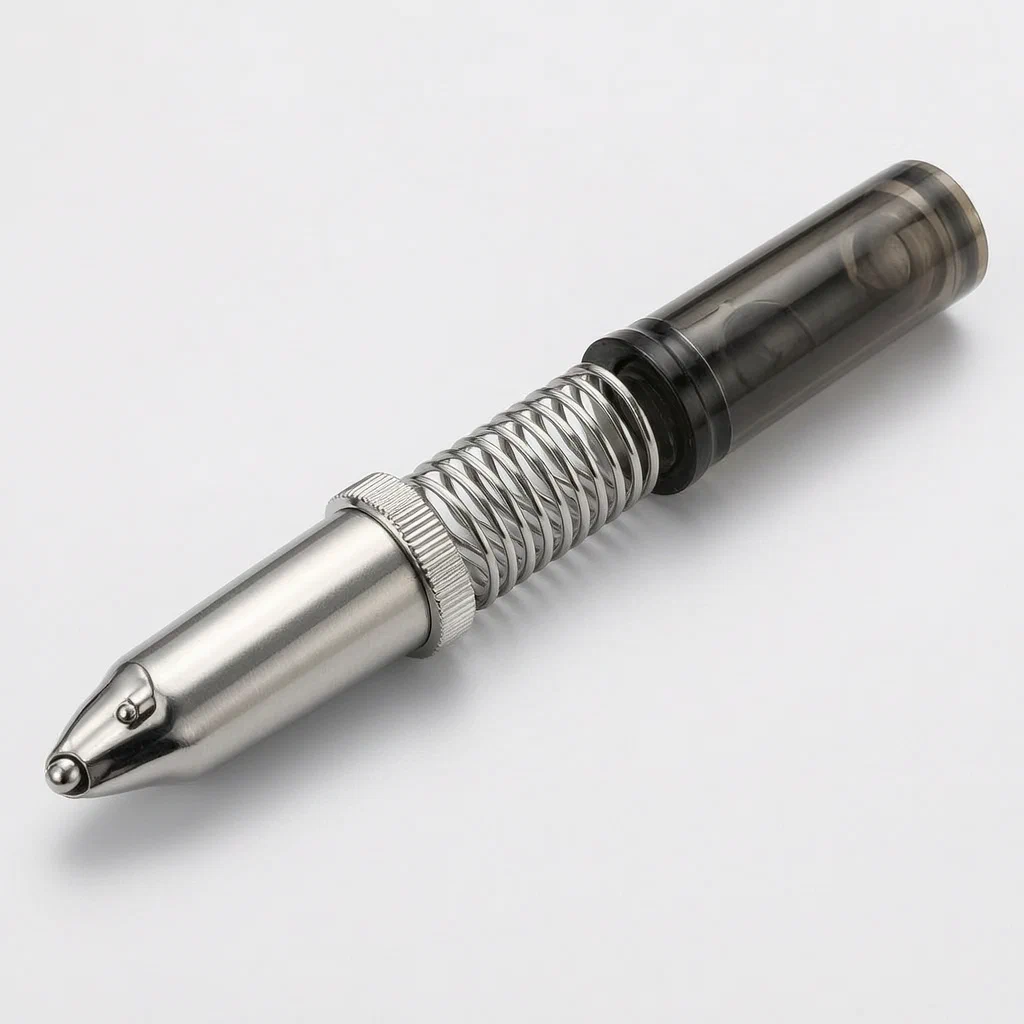
Standard ballpoint refills often suffer from hard starts or leaking after prolonged use. This patented design introduces a 'jumping' mechanism where the internal core actively pumps ink toward the tip every time you write. By utilizing a spring-loaded core with specialized triangular grooves and a dual-ball tip system, it ensures consistent ink flow without the mess of gravity-fed leaks. The modular construction also allows for rapid refill swapping via a cam-lock interface.
- China invention patent - In force
- No filings outside China
- Stationery & Writing Instruments
- Spring-loaded core, Dual-ball tip, Cam-lock assembly
Splat! What let you down?
🖊️
Active Ink Pumping
Spring-loaded core moves to drive ink toward the tip during writing strokes.
🔒
Leak-Free Dual-Ball Tip
Inner sealing ball blocks ink when stationary; outer ball writes when pressed.
⚡
Quick-Swap Mechanism
Hinged locking block with spring tension allows fast refill replacement.
📐
Optimized Groove Geometry
Triangular cross-section grooves with inclined faces guide ink directionally.
Bring this product to market
- ✓ Patent review Patent family and legal status reviewed in the relevant jurisdictions.
- 2 Product brief · now How it works, uses and options written up
- 3 Prototype First samples for buyers to review
- 4 Pilot run Small first batch for launch customers
- 5 Volume production Repeat orders at scale
Buyer interest
– of 100 buyers needed to start prototyping
One click, no sign-up. Each vote is one real visitor, and products with the most interest go to prototyping first.
Build team: no members yet. Need a partner, co-funding or skills to build this? Join and we introduce the team once it forms.
Patent Rights & Team Participation
Before joining a development team, participants should ensure they have the necessary rights or authorization to participate in the project.
Participation is generally appropriate where:
- You own the relevant patent rights or have obtained permission or a license from the rights holder.
- The relevant patent rights have expired or have been legally invalidated in the jurisdictions where the planned activities will take place.
- The planned development, manufacturing, and commercialization activities have been independently assessed and do not infringe applicable patent rights in the relevant jurisdictions.
Important: Being located outside a country where a patent is protected does not automatically exempt you from patent infringement risks. Patent rights may apply based on where development, manufacturing, use, sale, or import activities take place.
IP2M does not grant any patent license or authorization through team participation. Joining a project does not provide permission to use, manufacture, or commercialize patented technology.
The problem
Traditional ballpoint pens rely on gravity or capillary action to feed ink, which can lead to inconsistent flow, hard starts after periods of non-use, or leakage if the tip is damaged. When a pen sits idle, ink may pool near the tip or dry out, causing skips upon resumption. Furthermore, many refill mechanisms are difficult to swap quickly, requiring twisting or pulling that can damage the housing or misalign the internal components. Users often face the frustration of a good pen body paired with a failing or incompatible refill, leading to waste and poor writing experiences.
The solution
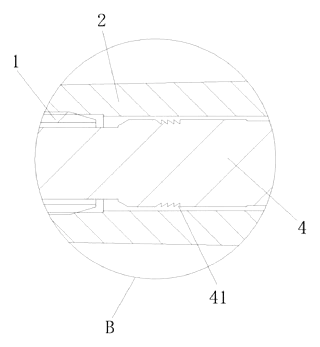
This patented refill addresses these issues through a mechanical “jumping” action driven by user input. Instead of passive feeding, the internal water diversion core is mounted on a compression spring. When the writer presses down to write, the core retracts against the spring. Upon releasing pressure or stopping, the spring pushes the core forward. This reciprocating motion activates specially shaped ink scraping grooves on the core’s surface, physically pushing ink toward the tip.
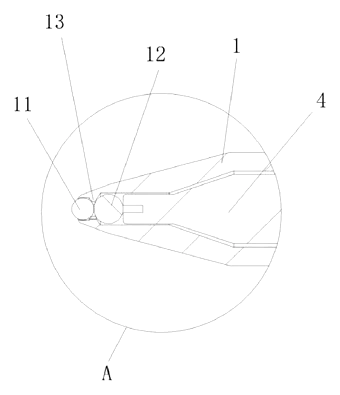
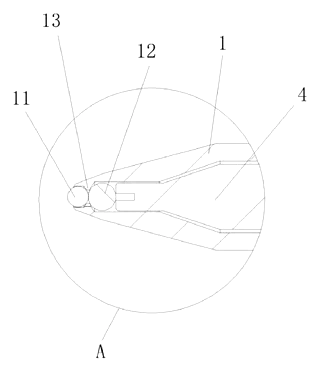
The tip itself features a dual-ball system: an outer ball for writing and an inner ball that acts as a valve. In the natural state, the inner ball seals against a blocking ring, preventing ink from flowing out uncontrollably. When the outer ball is pushed into the paper, it displaces the inner ball, opening the path for ink to reach the outer ball. This combination ensures that ink is delivered precisely when needed and sealed off when not, reducing leaks and ensuring smooth starts.
Who it is for
- Stationery Brands: Looking for differentiated products that solve common leakage and starting issues in budget-to-mid-range pens.
- Office Supply Wholesalers: Distributors who need reliable refills that reduce customer complaints about skipped lines or messy tips.
- Educational Suppliers: Schools and universities where students frequently lose or break refills; the quick-swap feature simplifies maintenance.
- Promotional Merchandise Makers: Companies producing branded pens that require a robust, low-maintenance refill mechanism to ensure brand reputation.
How it works
The main parts
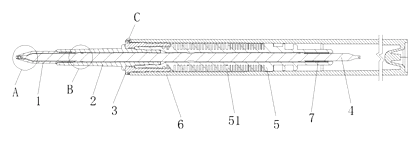
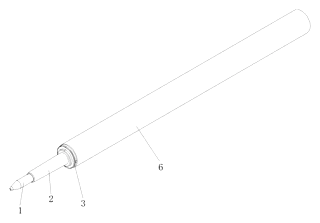
The device consists of six primary structural elements arranged linearly. At the front is the pen point (1), containing the writing mechanism. Behind it sits the small front head (2) and the connecting piece (3), which houses the locking interface. The core functional element is the water diversion core (4), surrounded by a regulator (5) and propelled by a first compression spring (7). Finally, the pen tube (6) encloses the entire assembly.
| No. | Part | What it does |
|---|---|---|
| 1 | Pen Point | Contains outer ball (11) and inner ball (12); seals via blocking ring (13). |
| 2 | Small Front Head | Connects the pen point to the internal core assembly. |
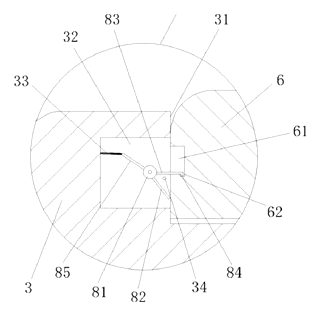
| 3 | Connecting Piece | Houses the locking cavity (32) and shaft shoulder (31) for tube attachment. |
| 4 | Water Diversion Core | Moves axially; has ink scraping grooves (41) and diversion groove (42). |
| 5 | Regulator | Cylindrical guide holding the core; has annular grooves (51). |
| 6 | Pen Tube | Outer casing; contains the regulator and locks onto the connecting piece. |
| 7 | First Compression Spring | Pushes the water diversion core toward the pen point. |
| 8 | Locking Block | Hinged mechanism with legs (82, 83) and protrusion (84) for quick swap. |
Operating steps
- Writing Stroke: Pressure on the paper pushes the outer ball (11) inward. This ball contacts the inner ball (12), forcing it away from the blocking ring (13). Simultaneously, the water diversion core (4) is pushed backward against the first compression spring (7).
- Ink Transfer: As the core moves, the ink scraping grooves (41) interact with the ink reservoir. The geometry of these grooves—triangular with one inclined side facing the tip—ensures that ink is dragged forward toward the opening created by the displaced inner ball.
- Release/Stop: When lifting the pen, the outer ball returns to its resting position, and the inner ball reseals against the blocking ring. The first compression spring (7) extends, pushing the water diversion core (4) forward. This forward stroke further primes the grooves, readying ink for the next contact.
- Refill Swap: To replace the refill, the pen tube (6) is pulled or twisted (depending on specific engagement), disengaging the locking groove (62) from the locking protrusion (84) on the second supporting leg (83). The hinged locking block (8) rotates, allowing the tube to detach from the connecting piece (3).
Applications
Daily Office Writing
In high-volume office environments, pens are used intermittently throughout the day. This refill’s active pumping mechanism prevents ink from drying at the tip during short pauses, eliminating the need to scribble repeatedly before starting notes or signing documents.
Student Note-Taking
Students often carry pens in bags where they may be jostled or stored upside-down. The dual-ball sealing system prevents ink from leaking onto notebooks or backpacks, while the durable plastic construction withstands frequent handling and rough storage conditions.
Promotional Branded Pens
For corporate gifts, reliability is key. The quick-swap mechanism allows recipients to easily replace refills, extending the life of the branded barrel. The consistent ink flow ensures a positive writing experience associated with the brand logo.
Industrial Marking
In workshops or factories, workers may wear gloves or have oily hands. The robust mechanical action of the refill requires less precise finger control than delicate capillary systems, making it suitable for marking boxes, tools, or surfaces in demanding environments.
Where it is less suitable
- High-Precision Technical Drawing: The mechanical play inherent in the spring-loaded jumping action may introduce slight vibration unsuitable for fine-line drafting.
- Extreme Temperature Environments: The viscosity changes in standard oil-based inks combined with the tight tolerances of the dual-ball seal could lead to performance degradation in very cold or hot conditions compared to gel or rollerball alternatives.
Patent & Production
At a glance
| Patent number | CN116215115B (application CN202310285683) |
| Type | China invention patent (发明专利) - protects product structure and method |
| Original title | A ballpoint pen refill that facilitates ink flow (一种利于出墨的跳动走珠笔芯) |
| Patent owner | Qingdao Aton Stationery Co ltd |
| Inventors | Wang Han, Tian Xiaotong, Li Yuansen, Jiang Shouning, Tian Shouqun |
| Filing date | 2023-03-22 |
| Grant date | 2025-02-07 |
| Status (China) | In force until at most 2043-03-22 (subject to annual fee payments) |
| Patent family | Public record shows Chinese filings only - no US, European, Japanese, PCT or other filings listed |
| Cited by | 0 later documents |
| Source | Google Patents (search for CN116215115B) |
What the claims cover, in plain language
Claim 1 describes a jumping ballpoint pen refill comprising a pen point, small front head, connecting piece, water diversion core, regulator, and pen tube. Key features include a first compression spring that ejects the water diversion core toward the pen point. The pen point contains an outer ball for writing and an inner ball that seals against a blocking ring in the natural state to prevent ink leakage. The water diversion core has annular ink scraping grooves with triangular cross-sections; one side is inclined toward the pen point, and the other is perpendicular to the axis. Movement of the core drives these grooves to convey ink to the pen point. The connecting piece has a shaft shoulder where the pen tube butts against it, forming a sealed cooperation.
Claims 2-4 detail a quick-release locking mechanism. A mounting cavity in the shaft shoulder holds a hinged locking block with two supporting legs. The pen tube has a corresponding locking cavity and groove. When inserted, the tube pushes one leg into the cavity, rotating the block so the other leg’s locking protrusion engages the tube’s groove. Claim 3 adds a second compression spring acting on a third supporting leg to bias the locking block. Claim 4 includes a limiting pin to constrain the rotation of the legs.
Claims 5-6 specify the regulator as a cylindrical structure with annular grooves on its outer wall. The water diversion core is symmetrically arranged around its middle section, with step faces where the first compression spring abuts to provide axial force.
This is a simplified reading for orientation only. The legal scope is defined by the exact claim wording in the official Chinese document.
What this means for US production
This patent was filed in China and is currently in force. The public record shows no US or other foreign counterpart. Making or selling this specific configuration in China requires the owner’s permission. However, because there is no US patent family member, the design itself does not appear to be restricted by this specific patent in the United States.
Two points to settle early:
- Other patents may exist. The stationery field, particularly refill mechanisms and tip designs, is heavily patented globally. Major manufacturers like BIC, Pilot, and Uni hold numerous patents on ballpoint technologies. A freedom-to-operate (FTO) review is essential to ensure the dual-ball sealing and spring-loaded core do not infringe on existing US patents.
- Component Standards. While the mechanism is novel, the materials (plastics, springs, balls) must meet general safety standards for consumer goods, especially if marketed to children.
Customization and manufacturing
What can be customized
| Area | Options |
|---|---|
| Ink Type | Oil-based, gel, or hybrid inks compatible with the groove geometry |
| Tip Material | Tungsten carbide, stainless steel, or brass balls |
| Plastic Resin | ABS, PP, or PC blends for durability and transparency |
| Color | Housing, core, and regulator colors for branding |
| Spring Tension | Adjusted based on desired “jump” feedback and writing speed |
| Locking Fit | Tightness of the cam-lock interface for retention vs. ease of swap |
Things to plan for (US market)
- ASTM F963: Standard Consumer Safety Specification for Toy Safety. If the pen is marketed as a toy or for young children, strict rules apply regarding small parts (the balls and springs) and chemical limits.
- CPSIA: Consumer Product Safety Improvement Act regulations regarding lead and phthalates in plastics and metals.
- Proposition 65: California warning requirements for certain chemicals potentially present in inks or plasticizers.
How a project runs
- Inquiry - Define target market (office, school, promo), quantity, and customizations.
- Design Validation - Review CAD models for interference in the dual-ball and locking mechanism.
- Prototype - Create 3D-printed housings and assemble with off-the-shelf springs/balls for function testing.
- Tooling - Manufacture injection molds for the complex multi-cavity parts (core, regulator, housing).
- Production - Injection molding, spring insertion, ball seating, and final assembly.
Quantities & timeline
Injection molding tools for the intricate geometries of the water diversion core and locking block require high precision. Assembly involves manual or semi-automated insertion of springs and balls. Testing focuses on leak-proof integrity and smooth cycling. Send us your estimated quantity, target retail price, and specific customization needs and we will reply with options.
Production notes
Tooling and process
Likely requires multi-slide injection molds due to the undercuts in the locking cavity and the angled faces of the ink scraping grooves. Stamping is typically used for the metal balls, though ceramic options exist depending on design.
Cost drivers
The number of molds is likely significant given the multiple interlocking plastic parts. Spring and clip quality impacts the consistency of the “jump” action. Print setup costs arise if branding is applied directly to the small surface areas of the refill.
Prototyping path
We would typically start with 3D-printed samples for fit checks. Use off-the-shelf springs and standard ball bearings for initial function tests. Iterate on the groove angle to optimize ink conveyance before committing to tooling.
What we would change before tooling
We would likely adjust the wall thickness of the regulator to prevent cracking during snap-fit assembly. The hinge boss on the locking block should be reinforced to resist fatigue over thousands of swaps.
Common failure points
Hinge fatigue in the locking block is a risk if the plastic is too brittle. Clip spring loss could occur if the locking protrusion wears down. Ink compatibility is critical; if the ink dries too fast, it may clog the narrow diversion grooves.
Patent drawings
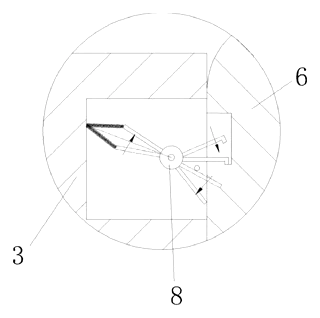
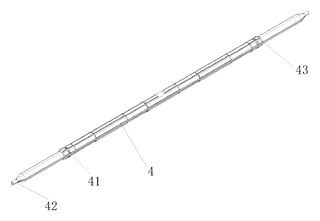
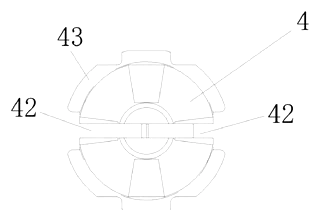
Drawings reproduced from the public patent document for reference.
Frequently asked questions
How does the “jumping” mechanism work?
The refill uses a spring-loaded core inside the tube. When you press the pen to write, the core moves backward against the spring. When you lift or stop, the spring pushes the core forward. This back-and-forth motion activates grooves on the core that physically pump ink toward the tip, ensuring consistent flow.
Does it really prevent leaks?
Yes, according to the patent design. It uses a dual-ball system. An inner ball acts as a valve that seals against a blocking ring when the pen is not in use. Only when the outer writing ball is pushed into the paper does it move the inner ball aside to allow ink to flow. This mechanical seal helps prevent gravity-fed leaks.
Is it difficult to change the refill?
No. The design includes a quick-swap locking mechanism. The pen tube clicks onto the connector via a hinged locking block. You simply pull or twist the tube (depending on the specific housing design) to release the lock, allowing for easy replacement without needing to unscrew threads.
What materials are used?
The housing and core are typically made from injection-molded plastics like ABS or PP. The writing balls are usually tungsten carbide or stainless steel. Springs are metal wire. Specific grades depend on the target cost and durability requirements.
Can I customize the ink color or type?
Yes. The mechanism is designed to work with standard ballpoint inks. We can test compatibility with different viscosities (oil-based, gel) during the prototyping phase to ensure the grooves convey the ink effectively without clogging.
Why might my current pens skip or leak?
Standard refills rely on capillary action, which can fail if air bubbles enter the tip or if the ink dries out. They also lack a positive seal, so heat or pressure can cause leaks. This patented design actively moves ink and mechanically seals the tip.
Can this design be made and sold in the US?
The patent is in force in China, but the public record shows no US counterpart. Therefore, this specific patent does not restrict making or selling the design in the US. However, other patents may exist in the stationery field, so a freedom-to-operate check is recommended.
Are you affiliated with the patent owner?
No. IP2M is an independent design and manufacturing service working from the public patent document.
Request a quote
Click Request a Quote below to see our email address - copy it, or open your email app with a ready-made message. Please mention patent CN116215115B in the subject.
Helpful details to include:
- Your company and channel (stationery brand, office supplier, promo merchandiser)
- Target market (office, school, industrial)
- Quantity per order
- Customization needs (colors, ink type, branding)
- Timeline - when you would like samples and the first shipment
You can also reach us at (332) 203-9997.
Page editor: Emily Zhang, Product Editor · IP2M
Last updated November 8, 2026. If something on this page looks wrong, email [email protected] and we will check it against the patent.
Interested in building this?
Tell us your target market, quantity and timeline. We reply with options for prototyping, small-batch runs or volume production.
Send your inquiry to
Please put CN116215115B in the subject line and tell us your company, country, estimated quantity and timeline.
Prefer to talk? Call (332) 203-9997.
More product-ready patents
All School, Office & Art patents →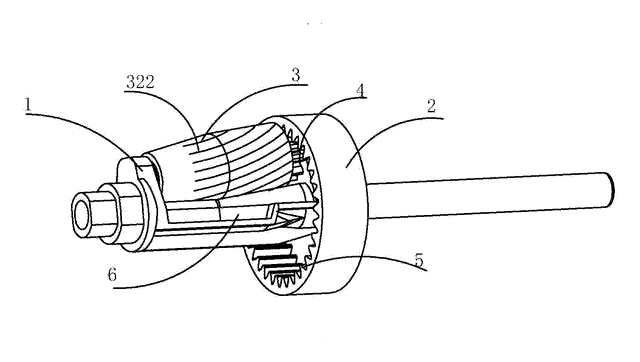
School, Office & Art
Long-Point Sketch Pencil Sharpener
Crank sharpener that cuts only the wood of sketch pencils, leaving a long, round lead about 30 mm long.
Patent CN207241257U
School, Office & Art
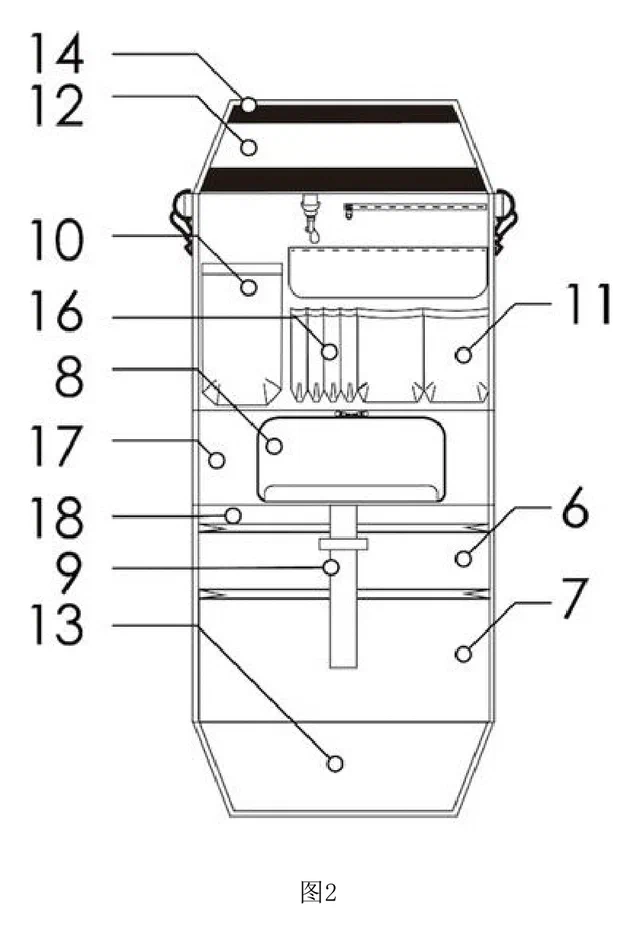
Fold-Out Desk Organizer Insert for School Backpacks
Backpack insert that unfolds into a hanging desk organizer for workbooks, stationery and a water bottle.
Patent CN209436546U
School, Office & Art
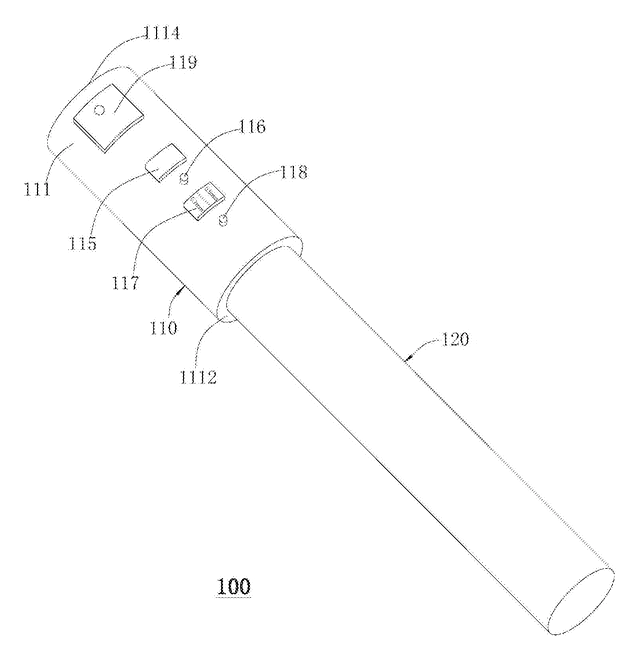
Smart Pencil Cap That Checks the Point with a Camera
Electronic pencil cap that photographs the point, measures it and reminds you to sharpen.
Patent CN106427302B
School, Office & Art
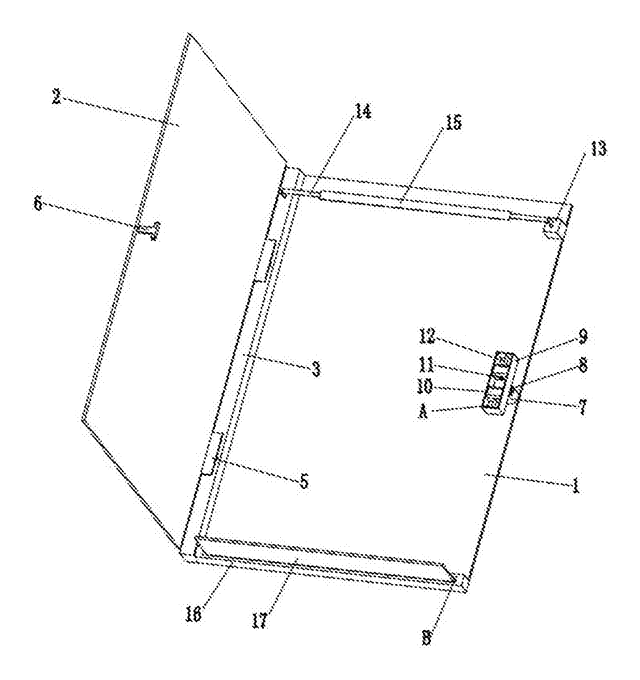
Expanding Clipboard Folder with Spring-Mounted Hinge and Catch
Hard folder whose spring-mounted hinge and catch let the cover clamp any thickness of paper.
Patent CN105667120B
School, Office & Art
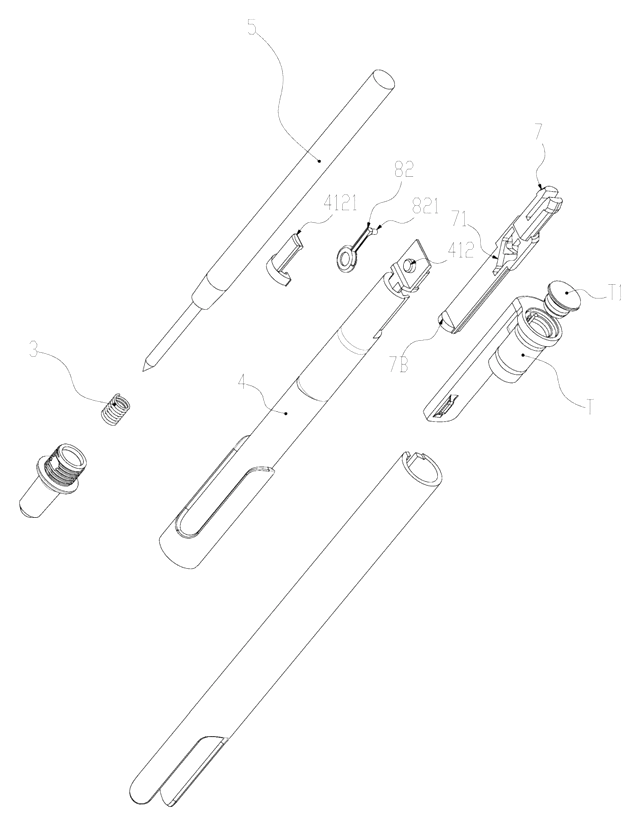
Slide-Action Retractable Pen with a Friction-Loaded Cam That Ignores Gravity
Slide-action retractable pen whose spring-pressed cam latch stays put whichever way the pen is held.
Patent CN217671900U
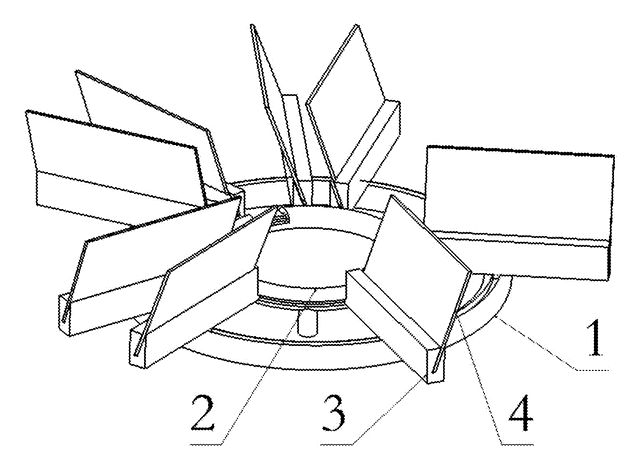
School, Office & Art
Carousel Business Card Holder with Rolling Card Trays on Twin Ring Tracks
Desk card holder: angled card trays roll on wheels around two concentric ring tracks and lift out.
Patent CN105774300B
Browse by category
- Apparel & Accessories (52)
- Baby & Kids (31)
- Bags & Luggage (18)
- Bath & Personal Care (34)
- Car Accessories (27)
- Furniture, Bedding & Storage (26)
- Garden & Outdoor (34)
- Health & Wellness (15)
- Home, Kitchen & Cleaning (53)
- Lighting (25)
- Packaging & Containers (13)
- Pet Products (12)
- Phone & Camera Accessories (11)
- Retail Display (27)
- School, Office & Art (39)
- Sports & Recreation (50)
- Tools & Workshop (58)
- Toys & Games (24)
This page is based on the public patent document CN116215115B, assigned to Qingdao Aton Stationery Co ltd. IP2M is an independent manufacturing service and is not affiliated with, endorsed by or licensed by the patent owner. Images marked as concept renderings are illustrations, not photos of an existing product. Patent status information is provided for reference only and is not legal advice; confirm freedom to operate for your market before production. Full disclaimer.