
Patent CN205813724U
Updated November 8, 2026Pivotable Footwear Sole with Tongue and Bar Retainer
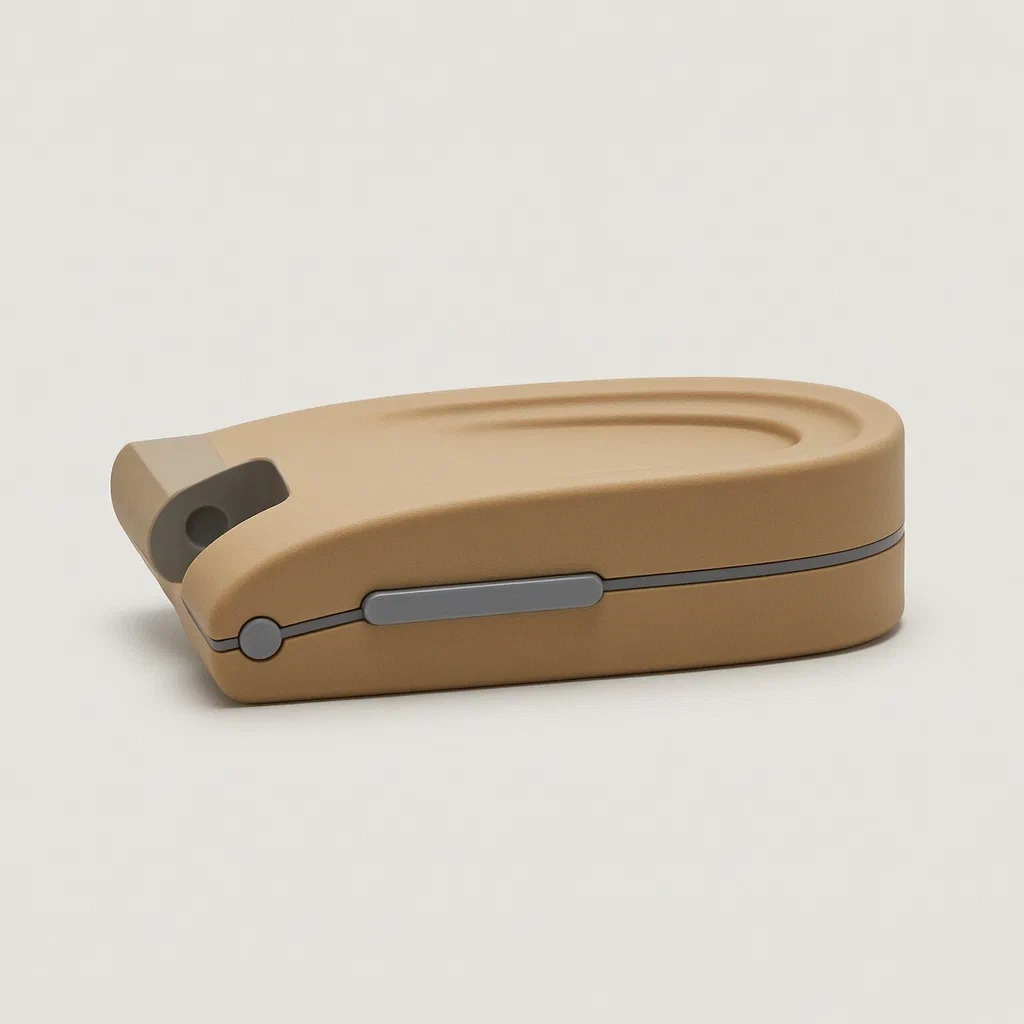
Standard rigid soles can restrict natural foot movement, leading to fatigue. This patent describes a sole split into two parts—front and rear—that connect via a tongue-and-bar pivot. The bar runs through the tongue and into the opposite sole section, acting as an axle. A retainer engages with the sole to limit how far the parts can twist or bend, ensuring the shoe stays stable under load while still flexing at the ball of the foot. This allows for a more dynamic fit compared to single-piece soles.
- China utility model - lapsed
- No filings outside China
- Footwear construction
- Tongue-and-bar pivot mechanism
Splat! What let you down?
👟
Split Sole Design
The sole is divided into two parts that pivot around a central bar.
🔗
Tongue & Bar Joint
A tongue on one part fits into a recess on the other, secured by a transverse bar.
🛡️
Motion Limiting
A retainer prevents over-rotation, keeping the shoe stable during use.
⚙️
Interference Fit
Bar heads engage sidewalls in depressed areas to suppress unwanted axial movement.
Bring this product to market
- ✓ Patent review Patent family and legal status reviewed in the relevant jurisdictions.
- 2 Product brief · now How it works, uses and options written up
- 3 Prototype First samples for buyers to review
- 4 Pilot run Small first batch for launch customers
- 5 Volume production Repeat orders at scale
Buyer interest
– of 100 buyers needed to start prototyping
One click, no sign-up. Each vote is one real visitor, and products with the most interest go to prototyping first.
Build team: no members yet. Need a partner, co-funding or skills to build this? Join and we introduce the team once it forms.
Patent Rights & Team Participation
Before joining a development team, participants should ensure they have the necessary rights or authorization to participate in the project.
Participation is generally appropriate where:
- You own the relevant patent rights or have obtained permission or a license from the rights holder.
- The relevant patent rights have expired or have been legally invalidated in the jurisdictions where the planned activities will take place.
- The planned development, manufacturing, and commercialization activities have been independently assessed and do not infringe applicable patent rights in the relevant jurisdictions.
Important: Being located outside a country where a patent is protected does not automatically exempt you from patent infringement risks. Patent rights may apply based on where development, manufacturing, use, sale, or import activities take place.
IP2M does not grant any patent license or authorization through team participation. Joining a project does not provide permission to use, manufacture, or commercialize patented technology.
The problem
Traditional footwear often features a single, continuous sole unit that may not align perfectly with the natural articulation points of the human foot. When a wearer walks, runs, or twists, the foot bends primarily at the metatarsophalangeal joints (the ball of the foot). If the sole is too rigid, it resists this bending, forcing the foot to work harder to achieve the same range of motion, which can lead to discomfort or accelerated wear on the upper materials. Conversely, if the sole is too flexible without structural support, it may lack stability, causing the shoe to deform excessively under load. There is a need for a footwear construction that allows specific pivoting between the front and rear sections of the sole while maintaining enough rigidity to prevent collapse or twisting beyond safe limits.
The solution
This patent describes a footwear sole composed of two main parts, typically identified as a first part (often the front portion) and a second part (often the rear portion), which are pivotally coupled. The connection mechanism relies on a tongue extending from one part and a corresponding recess or channel in the other part. A bar extends across the width of the sole, passing through the tongue and engaging with the second part to form a pivot axis.
Key components include:
- Sole Parts: Part I and Part II are separate but linked. In some embodiments, Part I is the front and Part II is the rear, or vice versa.
- Tongue: Located on one part, it includes a passage for the bar.
- Bar: Runs transversely through the tongue and the mating part, acting as the hinge pin.
- Retainer: Attached to the tongue or the second part near the recess, this component limits the relative pivoting action of the two sole parts, preventing them from rotating past a desired angle.
- Depressed Areas: The second part includes recesses configured to receive the ends or heads of the bar. These recesses can provide an interference fit to suppress axial movement of the bar.
Who it is for
- Performance Footwear Brands: Companies looking to enhance the natural gait cycle of their shoes by allowing independent movement of the forefoot and rearfoot.
- Orthopedic Shoe Manufacturers: Designers who need customizable flexibility profiles for patients requiring reduced stress on specific foot joints.
- Casual Lifestyle Brands: Makers seeking unique aesthetic and functional selling points, such as visible mechanical hinges or improved comfort in flat-soled sneakers.
- Outdoor & Hiking Gear Producers: Brands targeting terrain adaptability, where a pivoting sole might help maintain contact with uneven ground better than a rigid chassis.
How it works
The main parts
| No. | Part | What it does |
|---|---|---|
| Part I | First Sole Section | Contains the tongue with a passage for the bar. |
| Part II | Second Sole Section | Contains the recess/channel aligned with the tongue’s passage. |
| Bar | Pivot Axle | Extends across the sole width, connecting Part I and Part II. |
| Tongue | Connecting Flap | Fits into Part II; houses the bar. |
| Retainer | Limit Stop | Engages with Part II to restrict pivoting range. |
| Recess | Bar Housing | Depressed area in Part II to hold bar ends/heads. |
Operating steps
- Assembly: The tongue of Part I is inserted into the recess of Part II.
- Bar Insertion: The bar is passed through the passage in the tongue and the aligned passage in Part II.
- Securing: Bar heads engage with depressed sidewalls in Part II via interference fit, locking the bar axially.
- Pivoting: As the foot moves, Part I and Part II rotate around the fixed bar axis.
- Limiting: The retainer contacts the opposing part when the maximum designed angle is reached, stopping further rotation.
Applications
Running Shoes
Runners benefit from a sole that flexes naturally at the toe-off phase. The pivot allows the forefoot to lift independently of the heel, potentially reducing energy loss and improving stride efficiency.
Walking & Commuter Sneakers
For daily wear, the design offers comfort on varied surfaces. The limited pivot ensures the shoe doesn’t feel unstable while standing still, yet provides flexibility when walking up stairs or slopes.
Orthopedic Interventions
Patients with arthritis or foot injuries can use shoes with adjustable stiffness. By tuning the retainer and bar friction, manufacturers can create soles that move exactly where the patient needs relief, minimizing pain during gait.
Outdoor Trail Shoes
On rocky or uneven terrain, a pivoting sole can adapt to the shape of the ground. The front part can tilt upward to clear obstacles while the rear maintains traction, enhancing grip and balance.
Where it is less suitable
- Heavy Load Bearing: Industrial safety boots requiring rigid toe protection and ankle support may find the pivot point a weak link under extreme compression.
- High-Speed Lateral Movement: Sports like basketball or tennis involve rapid side-to-side cuts; a purely longitudinal pivot might not provide sufficient torsional rigidity against lateral forces.
- Minimalist Barefoot Shoes: Designs aiming for zero drop and maximum ground feedback often prefer a single continuous layer rather than a mechanical joint.
Patent & Production
At a glance
| Patent number | CN205813724U (application CN201620197603) |
| Type | China utility model (实用新型) - protects product shape and structure |
| Original title | Pivotable Shoe Device (可枢转鞋装置) |
| Patent owner | Individual |
| Inventors | Bernard Figueroa |
| Filing date | 2016-03-15 |
| Grant date | 2016-12-21 |
| Status (China) | Lapsed - terminated for non-payment of annual fees (recorded 2021-03-02) |
| Patent family | Public record shows Chinese filings only - no US, European, Japanese, PCT or other filings listed |
| Cited by | 1 later document |
| Source | Google Patents (search for CN205813724U) |
What the claims cover, in plain language
Claim 1 defines footwear comprising a sole with a Part I and Part II pivotally coupled. Part I includes a tongue, and Part II includes a depressed part to accommodate the tongue. A bar extends across the sole’s width, passing through the tongue to attach Part I to Part II. A retainer attached to the tongue or Part II limits the relative pivoting action.
Claims 2-3 specify that the parts can be arranged as front/rear or rear/front portions of the sole. Claims 4-7 detail the passage in the tongue for the bar and the aligned passage in Part II. They describe depressed parts surrounding the entrance to the passage to house the bar head. An interference fit between the head and sidewall suppresses bar motion. Claims 8-9 mention openings in the bar ends for securing members. Claims 10-12 introduce a holding element opening in Part I for a holding element (likely for the foot) and nail protuberances on the bar head that penetrate Part II to prevent bar movement. Claim 13 is an independent claim for footwear with a pivotable bottom, reiterating the tongue, depressed part, and bar configuration. Claims 14-24 provide dependent variations similar to Claims 2-12, applying them to the structure defined in Claim 13.
This is a simplified reading for orientation only. The legal scope is defined by the exact claim wording in the official Chinese document.
What this means for US production
This patent was filed in China and has lapsed due to non-payment of fees, meaning it no longer restricts anyone in China either. The public record shows no US or other foreign counterpart.
Two points to settle early:
- Other patents may exist. Footwear construction, particularly articulated soles and hinge mechanisms, is a competitive field with numerous active patents held by major global brands (e.g., Nike, Adidas, New Balance) and specialized component suppliers. A freedom-to-operate (FTO) review is critical before tooling, focusing on the specific geometry of the tongue, bar, and retainer interaction.
- Material Safety. While the mechanical design is key, the materials used (rubber, EVA, TPU, adhesives) must comply with US regulations regarding restricted substances (like certain phthalates or azo dyes) depending on the target market segment.
Customization and manufacturing
What can be customized
| Area | Options |
|---|---|
| Pivot Axis Location | Adjust position along the sole length (e.g., midfoot vs. forefoot). |
| Range of Motion | Modify retainer shape to allow 5°, 10°, or 15° of flex. |
| Bar Material | Metal, high-strength polymer, or composite. |
| Tongue Geometry | Width, thickness, and passage diameter for fit tolerance. |
| Upper Integration | How the holding element connects to the shoe upper. |
| Outsole Pattern | Tread design on both Part I and Part II. |
Things to plan for (US market)
- CPSC Regulations: General safety standards for consumer products apply.
- State Laws: California Prop 65 requires warnings for certain chemicals commonly found in rubber and plastics.
- Textile Acts: Care labeling requirements for any fabric components in the upper.
- FTC Guidelines: Any performance claims (e.g., “enhanced flexibility”) must be substantiated.
How a project runs
- Inquiry - Define target shoe type, size range, and desired flexibility profile.
- Design - CAD modeling of the tongue, bar, and retainer; FEA analysis for stress points.
- Prototype - Create samples using 3D printing or quick-turn molding for fit and function testing.
- Testing - Durability cycles, pivot resistance measurement, and material safety checks.
- Production - Tooling for molds, sourcing of bars and retainers, assembly line setup.
Quantities & timeline
Tooling for multi-part soles involves complex molds for the tongue and recess areas. Injection molding cycles for EVA/TPU are standard, but the precision required for the bar passage dictates tighter tolerances. Send us your target price, quantity, and design specs and we will reply with options.
Production notes
Tooling and process
The sole likely requires injection molding for the EVA or TPU base parts, given the integrated passages for the bar. Cutting and sewing would be used for attaching the upper and lining. Rubber outsole molding might be employed if a distinct tread layer is added. Heat pressing could secure the tongue to the main sole body if they are separate pieces initially.
Cost drivers
Sole mold complexity is likely the main cost driver due to internal channels. The number of sizes also affects tooling costs significantly. Fabric grade and stitch density impact the upper’s cost. Packaging adds minor overhead.
Prototyping path
We would typically start with sewn first samples using mock-up soles. Use 3D-printed or cast components for the pivot mechanism to test fit. Conduct wear trials to check for seam slippage or hardware corrosion. Proceed to fit grading and production patterns once the pivot action is validated.
What we would change before tooling
We would likely adjust the interference fit tolerance in the depressed parts to ensure consistent pivot resistance. Verify the nail protuberance design to prevent breakage during assembly. Optimize the retainer geometry to avoid premature wear on the tongue.
Common failure points
Seam slippage where the upper meets the sole is the most likely first issue. Color fading on exposed plastic parts. Sole delamination between layers. Size deviation affecting the bar alignment. Hardware corrosion if metal bars are used in wet conditions. Hinge boss and pivot wear over time.
Patent drawings
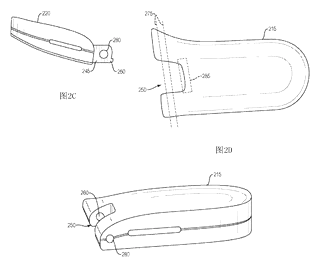
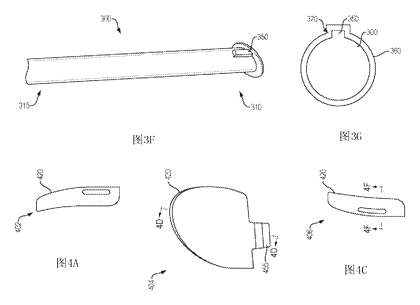
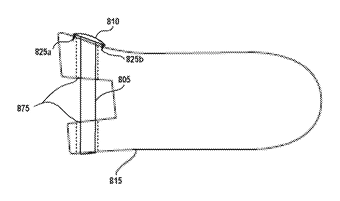
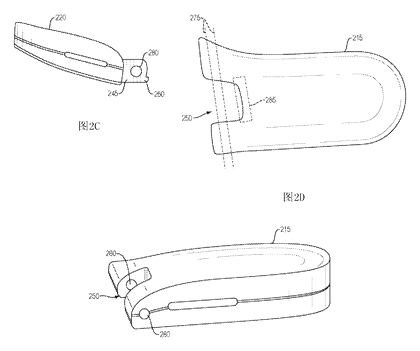
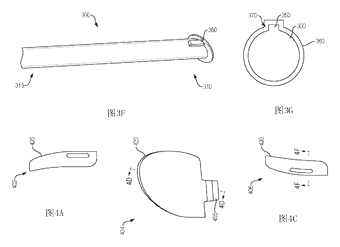
Drawings reproduced from the public patent document for reference.
Frequently asked questions
How does the pivot actually work?
The sole is split into two sections. A “tongue” from one section slides into a “recess” in the other. A metal or hard plastic bar runs through both, acting like a door hinge pin. A small retainer piece stops the sections from swinging too far, giving you controlled flexibility.
Is the bar visible from the outside?
Typically, no. The bar is housed inside the sole structure, within the passages formed by the tongue and the second sole part. It is protected from external impacts and weather.
Can this be used for all shoe types?
It works best for athletic, casual, and orthopedic shoes where forward flex is important. It may not be ideal for heavy-duty work boots or stiff-soled dress shoes that require rigid stability.
How durable is the mechanism?
Durability depends on the materials chosen for the bar and the sole body. High-wear areas like the pivot point are reinforced. The patent suggests using interference fits and optional nails/spikes to keep the bar from sliding out.
Can I customize the amount of flex?
Yes. By changing the shape of the retainer and the friction fit of the bar, we can adjust how much force is needed to bend the sole and how far it bends.
Does it affect the shoe’s weight?
Adding a pivot mechanism introduces extra components (bar, retainer, reinforced tongues). However, these are generally lightweight. The overall weight increase is usually minimal compared to the comfort benefits.
Can this design be made and sold in the US?
The patent was filed in China and has lapsed, and the public record shows no US counterpart, so it does not restrict the design in the US or in China. However, footwear technology is heavily patented by other companies. We recommend a freedom-to-operate check to ensure no other active US patents cover this specific hinge configuration.
Are you affiliated with the patent owner?
No. IP2M is an independent design and manufacturing service working from the public patent document.
Request a quote
Click Request a Quote below to see our email address - copy it, or open your email app with a ready-made message. Please mention patent CN205813724U in the subject.
Helpful details to include:
- Your company and channel (athletic brand, orthopedic supplier, casual footwear maker)
- Target shoe type and intended use
- Desired flex range (degrees of movement)
- Material preferences for the sole and bar
- Estimated quantity and target price
- Timeline - when you would like prototypes and mass production
You can also reach us at (332) 203-9997.
Page editor: Emily Zhang, Product Editor · IP2M
Last updated November 8, 2026. If something on this page looks wrong, email [email protected] and we will check it against the patent.
Interested in building this?
Tell us your target market, quantity and timeline. We reply with options for prototyping, small-batch runs or volume production.
Send your inquiry to
Please put CN205813724U in the subject line and tell us your company, country, estimated quantity and timeline.
Prefer to talk? Call (332) 203-9997.
More product-ready patents
All Apparel & Accessories patents →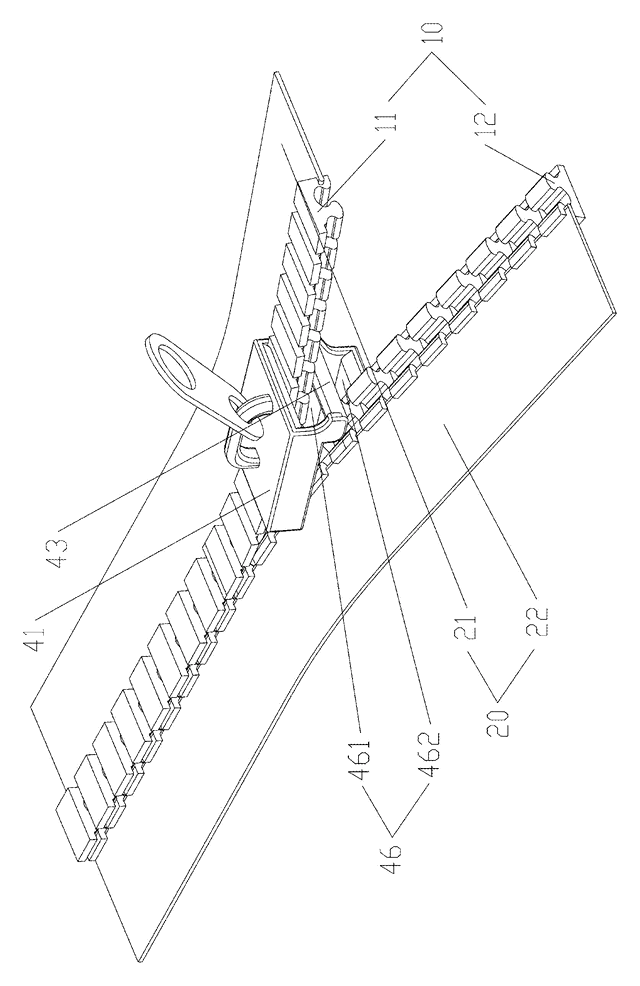
Apparel & Accessories
Stacked Zipper with Teeth That Mesh Top-to-Bottom
Zipper whose two identical tooth rows mesh on top of each other, closed by a simplified slider.
Patent CN205795062U
Apparel & Accessories
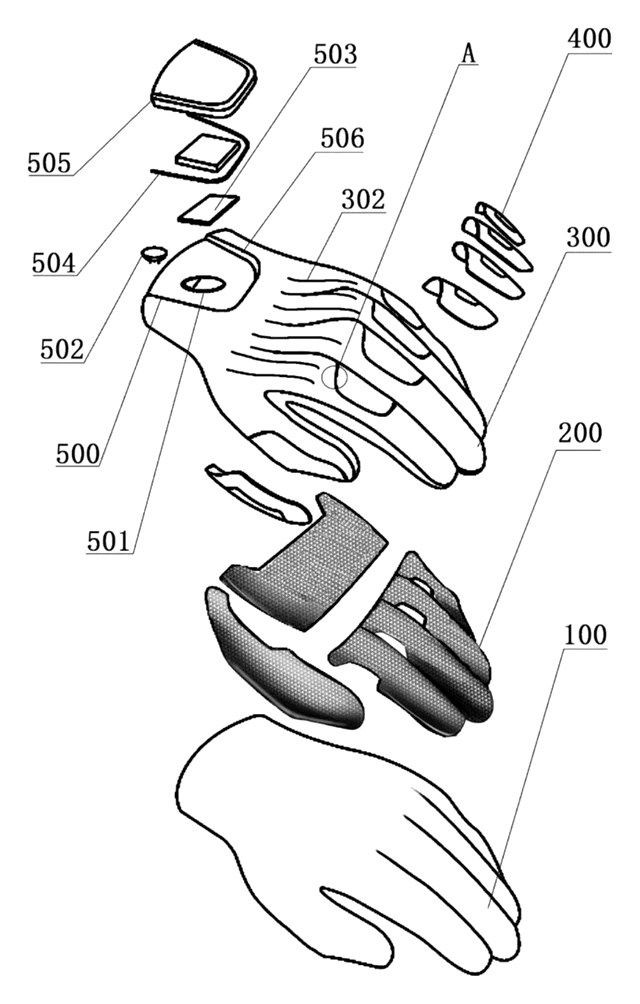
Impact-Resistant Glove with a 3D-Printed Lattice Layer
Work glove with a 3D-printed lattice impact layer, TPU knuckle guards and a light mounting area.
Patent CN213785583U
Apparel & Accessories
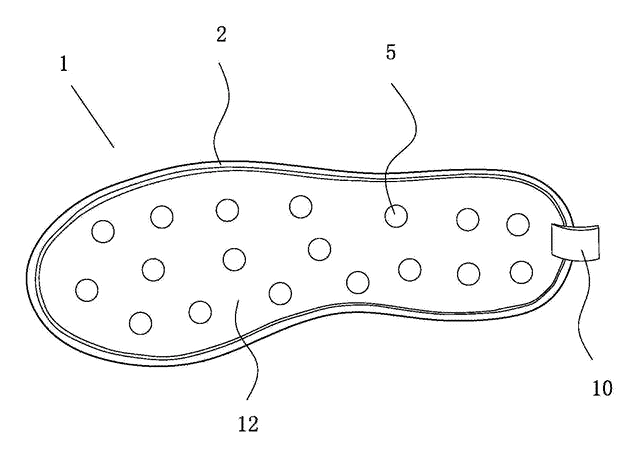
Massage Insole with Spring-Back Silicone Nubs and a Removable Top Layer
Layered insole: silicone nubs rise through a removable perforated top sheet and sink under each step.
Patent CN208286505U
Apparel & Accessories
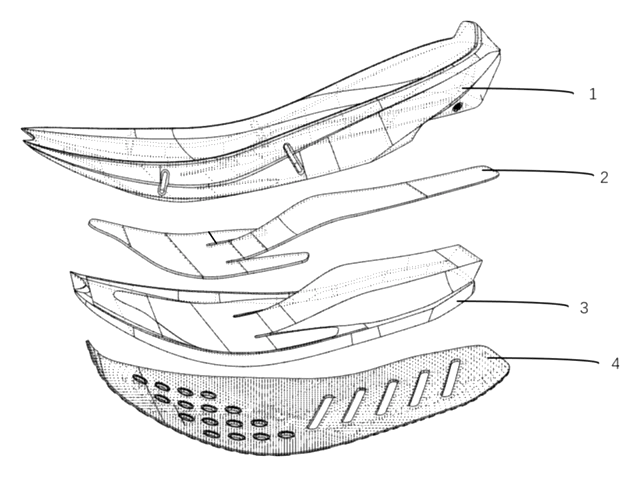
Heel-Less Carbon Plate Running Shoe Sole for Forefoot Strikers
Running sole for forefoot strikers: no ground-touching heel, winged carbon plate between two midsoles.
Patent CN216723354U
Apparel & Accessories
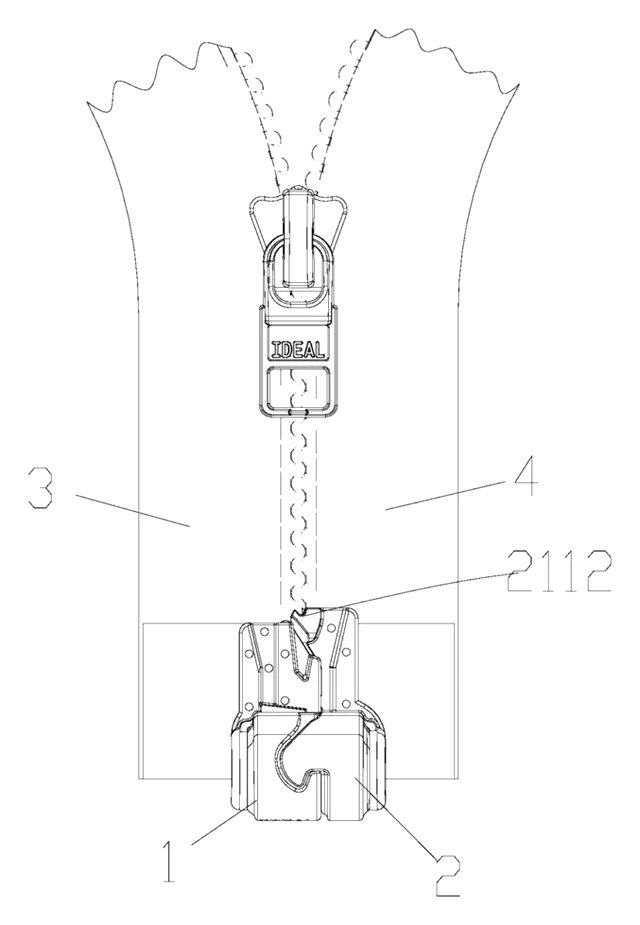
Waterproof Magnetic Zipper Stop That Snaps the Two Halves Together
Separating-zipper stop with sealed magnets: pin and box snap together one-handed, safe in rain and wash.
Patent CN215075936U
Apparel & Accessories
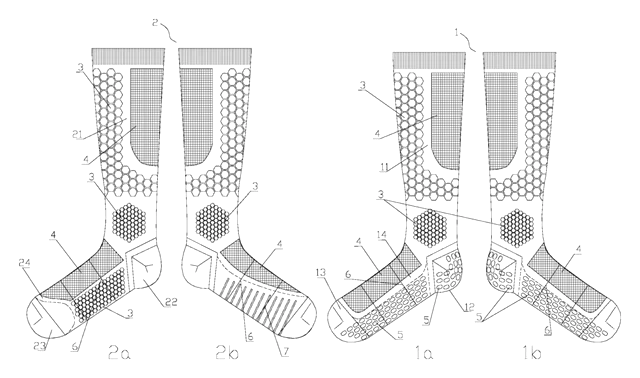
Left-Right Specific Soccer Socks: Grip for the Plant Foot, Touch Pads for the Kicking Foot
Soccer socks knitted as a left-right pair: grip zones for the plant foot, pads for the kicking foot.
Patent CN212728807U
Browse by category
- Apparel & Accessories (52)
- Baby & Kids (31)
- Bags & Luggage (18)
- Bath & Personal Care (34)
- Car Accessories (27)
- Furniture, Bedding & Storage (26)
- Garden & Outdoor (34)
- Health & Wellness (15)
- Home, Kitchen & Cleaning (53)
- Lighting (25)
- Packaging & Containers (13)
- Pet Products (12)
- Phone & Camera Accessories (11)
- Retail Display (27)
- School, Office & Art (39)
- Sports & Recreation (50)
- Tools & Workshop (58)
- Toys & Games (24)
This page is based on the public patent document CN205813724U, assigned to Individual. IP2M is an independent manufacturing service and is not affiliated with, endorsed by or licensed by the patent owner. Images marked as concept renderings are illustrations, not photos of an existing product. Patent status information is provided for reference only and is not legal advice; confirm freedom to operate for your market before production. Full disclaimer.