
Patent CN119222464B
Updated November 8, 2026Motorized Foldable Teaching Stand with Adjustable Display Arms
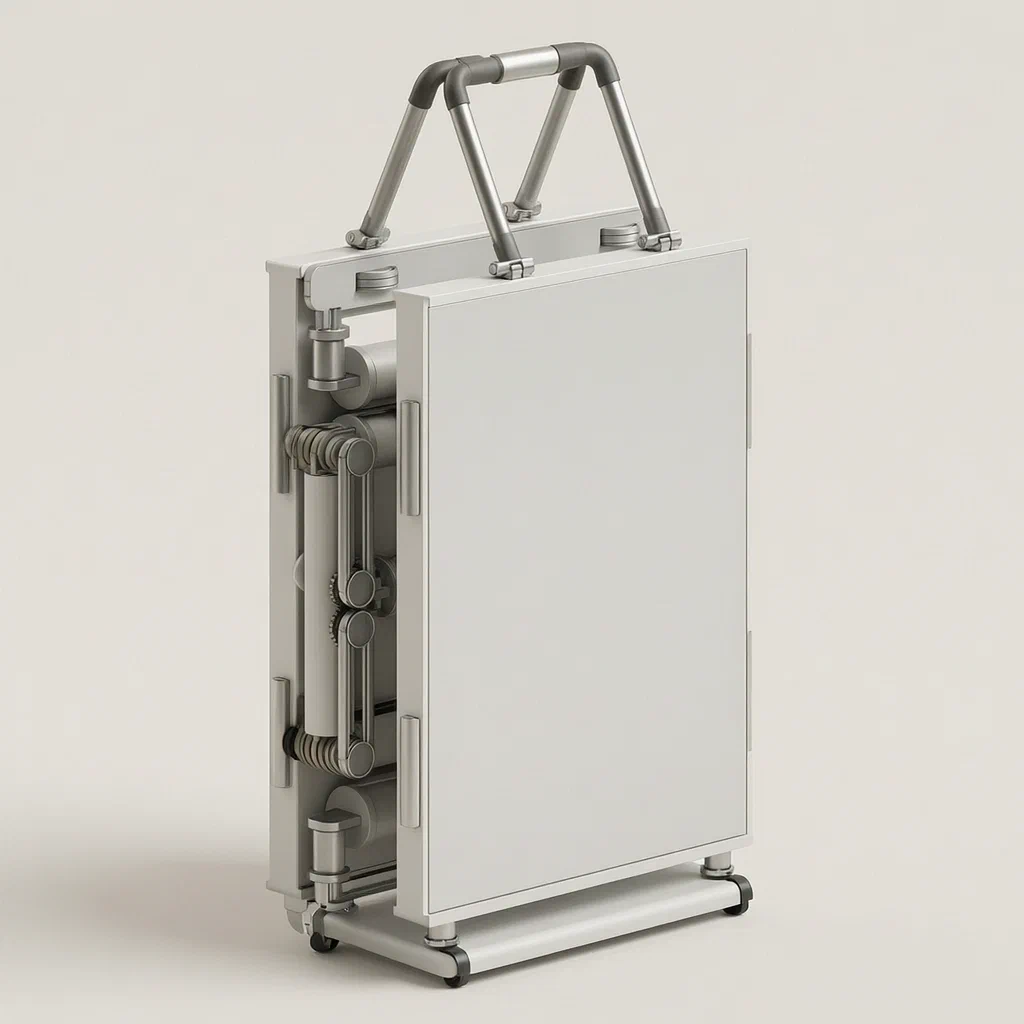
Traditional classroom stands are heavy, hard to adjust, and slow to set up. This motorized solution uses internal gears and belt drives to extend, rotate, and position display panels precisely. A single control interface manages the unfolding of the support frame and the angle of the screens, making it ideal for dynamic teaching environments where quick transitions between storage and display modes are required.
- China invention patent - active
- No filings outside China
- Education & Presentation Hardware
- Motorized folding mechanism with belt drives
Splat! What let you down?
🤖
Motorized Unfolding
Synchronous belts and bevel gears drive the arm extension and rotation automatically.
📐
Adjustable Angles
Multiple motors allow precise adjustment of the vertical rod and support frame angles.
🖥️
Dual-Panel Displays
Each arm carries two display units connected by a rotation motor for flexible viewing.
🛞
Mobile Base
Caster wheels and screw-adjusted legs provide stability on uneven surfaces.
Bring this product to market
- ✓ Patent review Patent family and legal status reviewed in the relevant jurisdictions.
- 2 Product brief · now How it works, uses and options written up
- 3 Prototype First samples for buyers to review
- 4 Pilot run Small first batch for launch customers
- 5 Volume production Repeat orders at scale
Buyer interest
– of 100 buyers needed to start prototyping
One click, no sign-up. Each vote is one real visitor, and products with the most interest go to prototyping first.
Build team: no members yet. Need a partner, co-funding or skills to build this? Join and we introduce the team once it forms.
Patent Rights & Team Participation
Before joining a development team, participants should ensure they have the necessary rights or authorization to participate in the project.
Participation is generally appropriate where:
- You own the relevant patent rights or have obtained permission or a license from the rights holder.
- The relevant patent rights have expired or have been legally invalidated in the jurisdictions where the planned activities will take place.
- The planned development, manufacturing, and commercialization activities have been independently assessed and do not infringe applicable patent rights in the relevant jurisdictions.
Important: Being located outside a country where a patent is protected does not automatically exempt you from patent infringement risks. Patent rights may apply based on where development, manufacturing, use, sale, or import activities take place.
IP2M does not grant any patent license or authorization through team participation. Joining a project does not provide permission to use, manufacture, or commercialize patented technology.
The problem
Standard presentation stands often require manual adjustment of multiple knobs and locks to change height or width. In fast-paced teaching environments, setting up a large display area can take several minutes, disrupting the flow of a lesson. Furthermore, transporting bulky metal frames is difficult when they cannot be folded down to a compact size without disassembly. Static stands also lack the ability to fine-tune the angle of individual display panels, forcing presenters to work around fixed geometries rather than optimizing visibility for their audience.
The solution
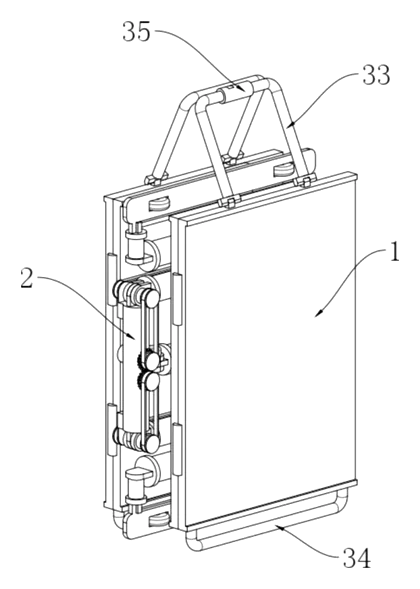
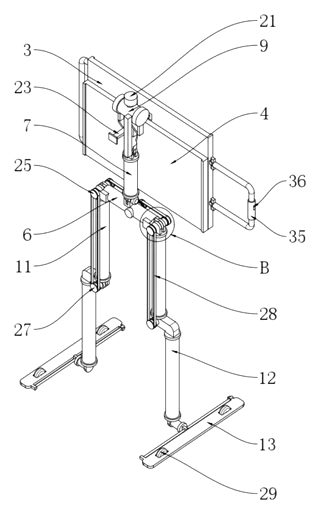
- The system centers on a support vertical rod (7) which houses a main controller and connects to a support cross rod (6).
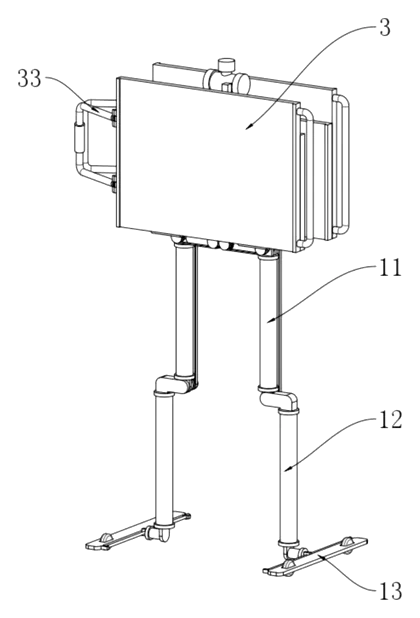
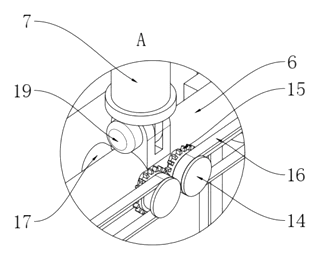
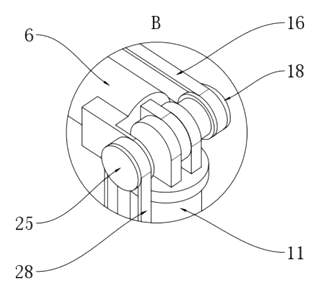
- A synchronous adjusting motor (17) drives first belt pulleys (14) via synchronous belts (16), extending the first section of supporting leg (11) outward.
- An unfolding motor (21) rotates a main bevel gear (22) inside a support cylinder (9), turning rotating discs (10) to swing the display arms into position.
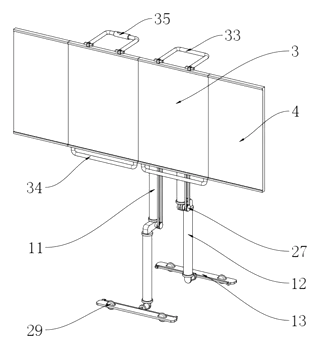
- Each arm ends in a foldable display component (1) made of a first display unit (3) and a second display unit (4).
- A display rotating motor (5) controls the opening angle between these two panels independently.
- The base uses a movable supporting plate (13) with caster wheels (29) and adjusting screws (30) driven by a support plate adjusting motor (26) to level the stand.
Who it is for
- Educational Technology Brands: Suppliers building motorized classroom displays that cut the time teachers spend setting up screens before a lesson.
- Corporate Training Centers: Facilities that need robust, mobile stands capable of rapid configuration for different room layouts and group sizes.
- Museum and Exhibition Designers: Curators who require precise, repeatable positioning of informational panels that can be hidden when not in use.
- Wholesale Distributors: Buyers seeking high-value items with complex mechanical features that justify premium pricing compared to simple aluminum tripods.
How it works
The main parts
| No. | Part | What it does |
|---|---|---|
| 1, 3, 4 | Display Components | Two-panel screen holders; motorized opening angle. |
| 6, 7 | Support Rods | Vertical spine and horizontal crossbar carrying motors. |
| 9, 10 | Cylinder & Discs | Rotates the entire arm assembly out from the center. |
| 11, 12 | Support Legs | Extendable telescopic sections driven by belts. |
| 14, 16, 17 | Belt Drive System | Pulleys and synchronous belts for linear extension. |
| 21, 22, 24 | Bevel Gear Set | Converts motor rotation to arm swinging motion. |
| 26, 30, 31 | Leveling Mechanism | Screw-driven sliders adjust leg length and base tilt. |
| 29 | Wheels | Casters for moving the stand when folded. |
| 35, 36 | Controls | Handle and buttons for user input. |
Operating steps
- Initiate Setup: The user presses the start button on the control handle (35).
- Extend Legs: The synchronous adjusting motor (17) turns the belt pulleys (14), pushing the support legs (11, 12) outward to widen the footprint.
- Rotate Arms: The unfolding motor (21) engages the bevel gears (22, 24), swinging the rotating discs (10) and attached display arms into the working position.
- Open Panels: The display rotating motors (5) open the second display units (4) relative to the first display units (3) to form a V-shape or flat plane as needed.
- Adjust Height/Angle: Motors at the joints (19, 20) tilt the vertical rod and crossbar to optimize visibility.
- Fold for Storage: Reverse signals collapse the legs, rotate the arms inward, and close the panels, reducing the unit to a narrow profile for transport.
Applications
Classroom Lectures
Teachers can deploy a wide multi-screen display area in seconds. The motorized adjustment allows them to raise or lower the screens to match eye levels of seated students without manual cranking, keeping the lesson flow uninterrupted.
Corporate Workshops
In training rooms with variable seating arrangements, this stand allows facilitators to quickly reconfigure the visual focal point. The stable, leveled base ensures safety on carpeted or uneven floors common in conference centers.
Museum Exhibits
Curators use the automated folding feature to protect delicate display panels when the exhibit is closed. During operation, the precise angle control helps direct visitor attention to specific artifacts or information points.
Retail Presentations
Sales staff in electronics stores can demonstrate products using the integrated display mounts. The ability to fold the unit away completely frees up floor space during off-peak hours, maximizing retail utility.
Where it is less suitable
- Outdoor Events: The complex motorized joints and exposed belts may require significant weatherproofing not described in the patent.
- Single-Screen Kiosks: For simple one-way signage, the cost and complexity of the dual-panel motorized arms are unnecessary.
- High-Vibration Environments: The precision gears and belt drives might suffer wear faster than rigid welded structures in industrial settings.
Patent & Production
At a glance
| Patent number | CN119222464B (application CN202411750637) |
| Type | China invention patent (发明专利) - protects method and structure |
| Original title | A Foldable Support for Teaching Convenient to Store and Carry (一种便于收纳携带的教学用可折叠支架) |
| Patent owner | Hebei Huafa Education Technology Corp ltd |
| Inventors | Jiang Chao, Song Hui, Qu Dongming, Liu Jianping |
| Filing date | 2024-12-02 |
| Grant date | 2025-03-11 |
| Status (China) | In force - valid until at most 2044-12-02, provided annual fees are paid |
| Patent family | Public record shows Chinese filings only - no US, European, Japanese, PCT or other filings listed |
| Cited by | 0 later documents |
| Source | Google Patents (search for CN119222464B) |
What the claims cover, in plain language
Claim 1 defines a foldable support comprising a support assembly and paired display assemblies. Key structural elements include a cross rod, vertical rod, frame, cylinder, rotating discs, and two-section legs. The legs are extended via a motor-driven screw mechanism involving a slider and lead screw.
Claim 2 specifies the display assembly has two units connected by a rotation motor to adjust the panel angle. Claim 3 details the leg extension using synchronous belts and pulleys driven by a synchronous adjusting motor. Claim 4 adds third and fourth belt pulleys linked by a second belt for coordinated movement. Claim 5 describes the arm rotation using bevel gears (main and secondary) driven by an unfolding motor. Claim 6 introduces angle adjusting motors at the joints of the vertical rod, cross rod, and frame. Claims 7-9 cover the handles, control buttons, caster wheels, and the main controller integration.
This is a simplified reading for orientation only. The legal scope is defined by the exact claim wording in the official Chinese document.
What this means for US production
This patent was filed in China and is currently in force there. The public record shows no US or other foreign counterpart. Therefore, while the design is protected in China, it does not restrict manufacturing or selling in the United States based on this specific document alone.
Two areas need attention early:
- Other patents may exist. Motorized furniture and presentation hardware fields are competitive. There are no known foreign patents citing this one, but independent patents covering similar belt-drive or bevel-gear mechanisms could exist. We suggest that a freedom-to-operate (FTO) review take place before volume tooling.
- Complexity Management. This device integrates multiple motors and sensors. Sourcing consistent quality across all electromechanical components is critical for reliability.
Customization and manufacturing
What can be customized
| Area | Options |
|---|---|
| Display Size | Panel dimensions adjusted to fit standard tablet/monitor sizes |
| Motor Type | Stepper vs. servo motors for speed and torque requirements |
| Material | Aluminum extrusion or injection-molded plastic for the frame |
| Control Interface | Bluetooth app, physical remote, or onboard buttons |
| Base Design | Fixed feet vs. locking casters for different floor types |
| Color/Finish | Powder coating or anodizing options for the metal parts |
Things to plan for (US market)
- UL 60950 / UL 62368: Safety standards for electronic equipment if powered by mains.
- FCC Part 15: If wireless controls (Bluetooth/Wi-Fi) are added.
- California Prop 65: Screening for materials used in plastics and coatings.
- Battery Compliance: If battery-powered, UN 38.3 testing for transport.
How a project runs
- Inquiry - Define panel size, weight capacity, and power source.
- Design - CAD modeling of gear ratios and motor selection.
- Prototype - CNC housings and 3D printed linkages for fit testing.
- Pilot Run - Cycle testing for motor durability and belt tension.
- Production - Injection molding, PCB assembly, final assembly.
Quantities & timeline
The tooling requires molds for plastic covers and dies for metal brackets. Electronics sourcing lead times vary by chip availability. Send us your target panel size, quantity, and desired control features and we will reply with options.
Production notes
Tooling and process
Injection molding is likely used for the protective covers around the motors and handles, depending on the final design. Metal components like the cross rods may utilize aluminum CNC machining or extrusion. Assembly typically involves snap-fits for cosmetic parts and screws for structural joints.
Cost drivers
The primary cost factors are likely the mold count for plastic parts and the CNC time for custom metal brackets. Magnet grade is relevant if magnetic latches are used for folding panels. Packaging costs increase due to the fragile nature of the display arms.
Prototyping path
We would start with a 3D-printed fit sample to verify the belt alignment. Next, CNC machined housings would be used to test motor mounting. Finally, a full functional prototype with real motors and belts would undergo cycle testing.
What we would change before tooling
Before mass production, we would likely simplify the belt routing to reduce assembly errors. Adjusting wall thickness and joint design in the plastic covers could improve drop protection. Ensuring proper thread engagement for the leveling screws is critical to prevent stripping.
Common failure points
Issues typically include adhesive failure on labels or decals, shaft and bearing alignment errors causing noise, and motor mount cracking under vibration. Drop protection must be sufficient to safeguard the external display units during transport.
Patent drawings
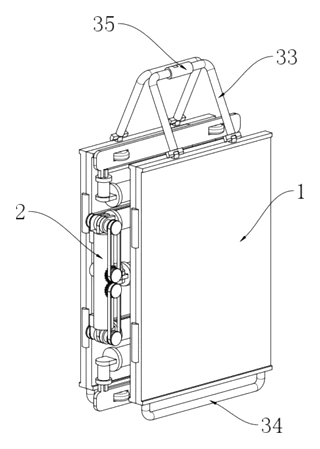
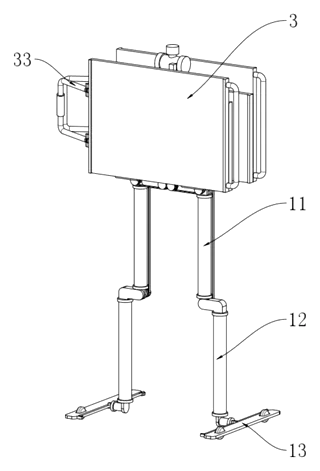
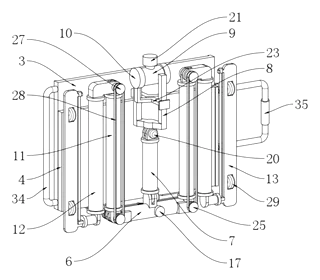
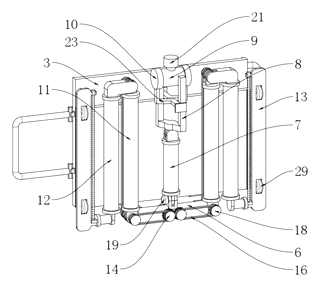
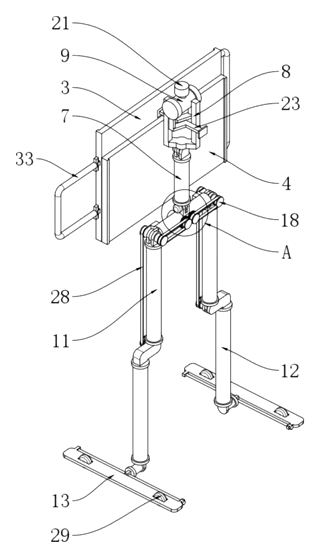
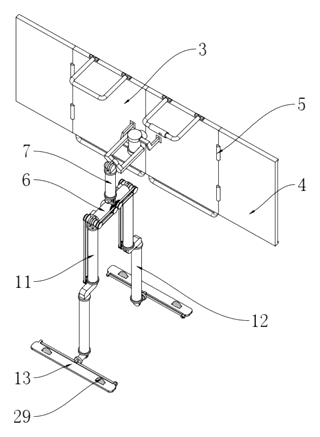
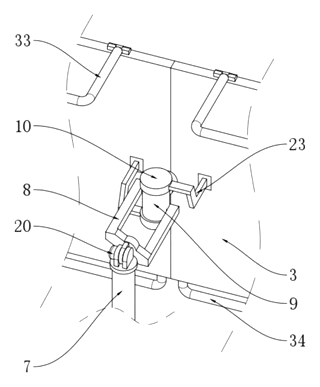
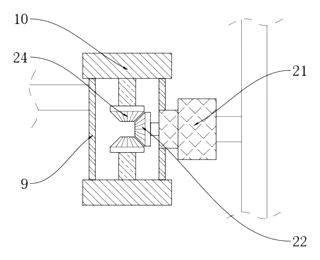
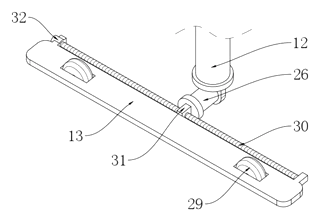
Drawings reproduced from the public patent document for reference.
Frequently asked questions
How does the stand fold?
The stand uses motors to retract the support legs inward and rotate the display arms toward the central column. The display panels themselves also close together via small rotation motors, creating a compact bundle for storage.
Is it battery powered?
The patent mentions a main controller and various motors but does not specify the power source. You can choose between AC adapter models or battery-powered versions depending on your needs. Battery capacity and runtime are set in design and confirmed on prototypes.
Can I connect my own tablets?
Yes. The display units are designed to hold screens. Specific mounting interfaces (such as VESA or clamp sizes) are customizable to fit the devices you intend to use.
How much weight can it hold?
The patent does not list a maximum load rating. Weight capacity depends on the motor torque and material strength chosen during the engineering phase. We recommend specifying your total screen weight early in the design process.
Does it require maintenance?
Like any mechanical device with belts and gears, periodic inspection is wise. The patent describes standard mechanical connections; lubrication schedules and part replacement intervals are determined by the final material choices.
Can this design be made and sold in the US?
The patent is currently in force in China. However, the public record shows no US counterpart, so this specific patent does not restrict making or selling the design in the United States. Always conduct a freedom-to-operate check to ensure no other local patents apply.
Are you affiliated with the patent owner?
No. IP2M is an independent design and manufacturing service working from the public patent document.
Request a quote
Click Request a Quote below to see our email address - copy it, or open your email app with a ready-made message. Please mention patent CN119222464B in the subject.
Helpful details to include:
- Your company and channel (EdTech brand, furniture distributor, exhibition provider)
- Target display size and weight per panel
- Power preference (AC, battery, or hybrid)
- Control method (buttons, remote, app)
- Estimated quantity and target price
- Timeline - when you would like samples and the first shipment
You can also reach us at (332) 203-9997.
Page editor: Daniel Chen, Product Research Editor · IP2M
Last updated November 8, 2026. If something on this page looks wrong, email [email protected] and we will check it against the patent.
Interested in building this?
Tell us your target market, quantity and timeline. We reply with options for prototyping, small-batch runs or volume production.
Send your inquiry to
Please put CN119222464B in the subject line and tell us your company, country, estimated quantity and timeline.
Prefer to talk? Call (332) 203-9997.
More product-ready patents
All Phone & Camera Accessories patents →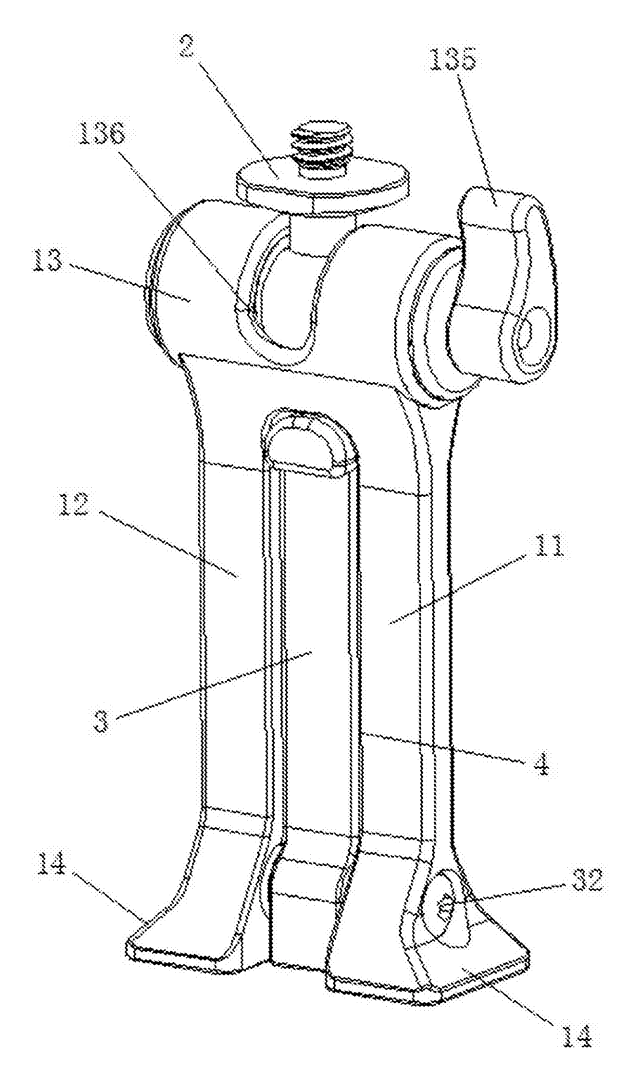
Phone & Camera Accessories
Phone Clip Mount with Fold-Out Stand Leg
Phone clamp adapter with a ball-joint top, a dovetail base for tripod clamps and a fold-out desk leg.
Patent CN207394276U
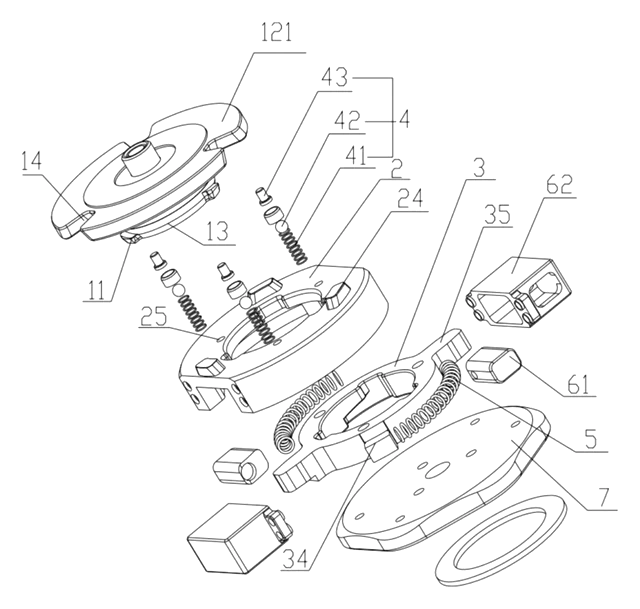
Stands & Mounts
Manual Quick-Release Connector for Camera Equipment
Quick-release camera mount using a rotating driver and spring-loaded locking grooves.
Patent CN215294199U
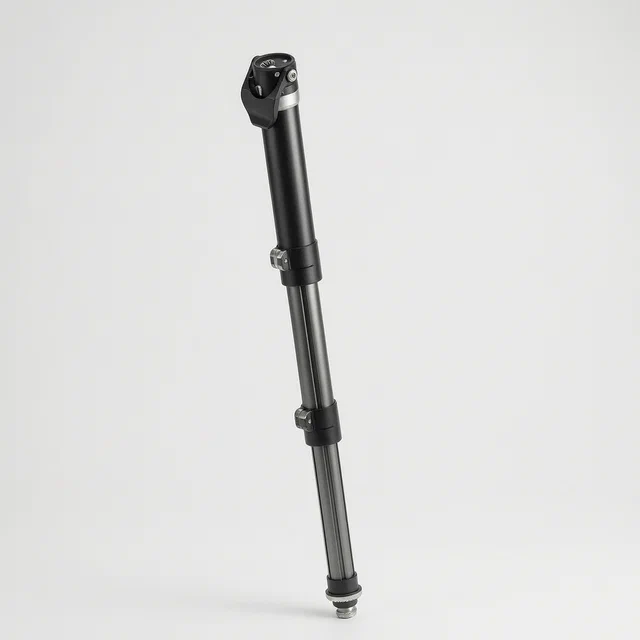
Phone & Camera Accessories
Extendable Support Leg and Monopod with Single-Knob Locking
Three-section monopod leg locked and released from one top knob via a transmission rod.
Patent CN113090903B
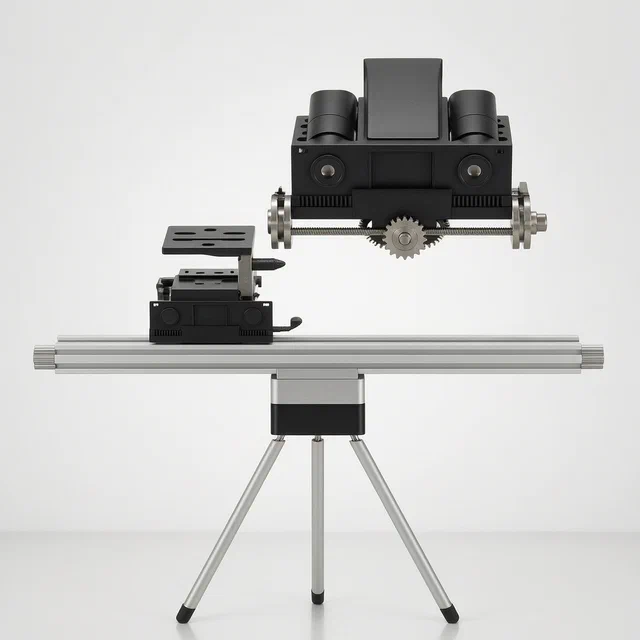
Phone & Camera Accessories
Remote-Controlled Outdoor Photography Tripod with Movable Lens Mount
Motorized tripod with a remote-driven camera seat and a sliding multi-lens mount.
Patent CN118328254B
Phone & Camera Accessories
Foldable Multifunctional Mobile Phone Clip with Rotating Support Feet
Foldable phone clip with rotating tripod-compatible feet and 1/4-inch screw mounts.
Patent CN207112268U
Phone & Camera Accessories
One-Touch Locking Ball Head Mount for Cameras and Equipment
Single-knob ball head mount that locks the ball and secures the device in one rotation.
Patent CN220930728U
Browse by category
- Apparel & Accessories (52)
- Baby & Kids (31)
- Bags & Luggage (18)
- Bath & Personal Care (34)
- Car Accessories (27)
- Furniture, Bedding & Storage (26)
- Garden & Outdoor (34)
- Health & Wellness (15)
- Home, Kitchen & Cleaning (53)
- Lighting (25)
- Packaging & Containers (13)
- Pet Products (12)
- Phone & Camera Accessories (11)
- Retail Display (27)
- School, Office & Art (39)
- Sports & Recreation (50)
- Tools & Workshop (58)
- Toys & Games (24)
This page is based on the public patent document CN119222464B, assigned to Hebei Huafa Education Technology Corp ltd. IP2M is an independent manufacturing service and is not affiliated with, endorsed by or licensed by the patent owner. Images marked as concept renderings are illustrations, not photos of an existing product. Patent status information is provided for reference only and is not legal advice; confirm freedom to operate for your market before production. Full disclaimer.